Suing An Estate Executor For Child Support In Los Angeles
Description


Get your form ready online
Our built-in tools help you complete, sign, share, and store your documents in one place.
Make edits, fill in missing information, and update formatting in US Legal Forms—just like you would in MS Word.
Download a copy, print it, send it by email, or mail it via USPS—whatever works best for your next step.
Sign and collect signatures with our SignNow integration. Send to multiple recipients, set reminders, and more. Go Premium to unlock E-Sign.
If this form requires notarization, complete it online through a secure video call—no need to meet a notary in person or wait for an appointment.
We protect your documents and personal data by following strict security and privacy standards.

Make edits, fill in missing information, and update formatting in US Legal Forms—just like you would in MS Word.

Download a copy, print it, send it by email, or mail it via USPS—whatever works best for your next step.

Sign and collect signatures with our SignNow integration. Send to multiple recipients, set reminders, and more. Go Premium to unlock E-Sign.

If this form requires notarization, complete it online through a secure video call—no need to meet a notary in person or wait for an appointment.

We protect your documents and personal data by following strict security and privacy standards.
Looking for another form?

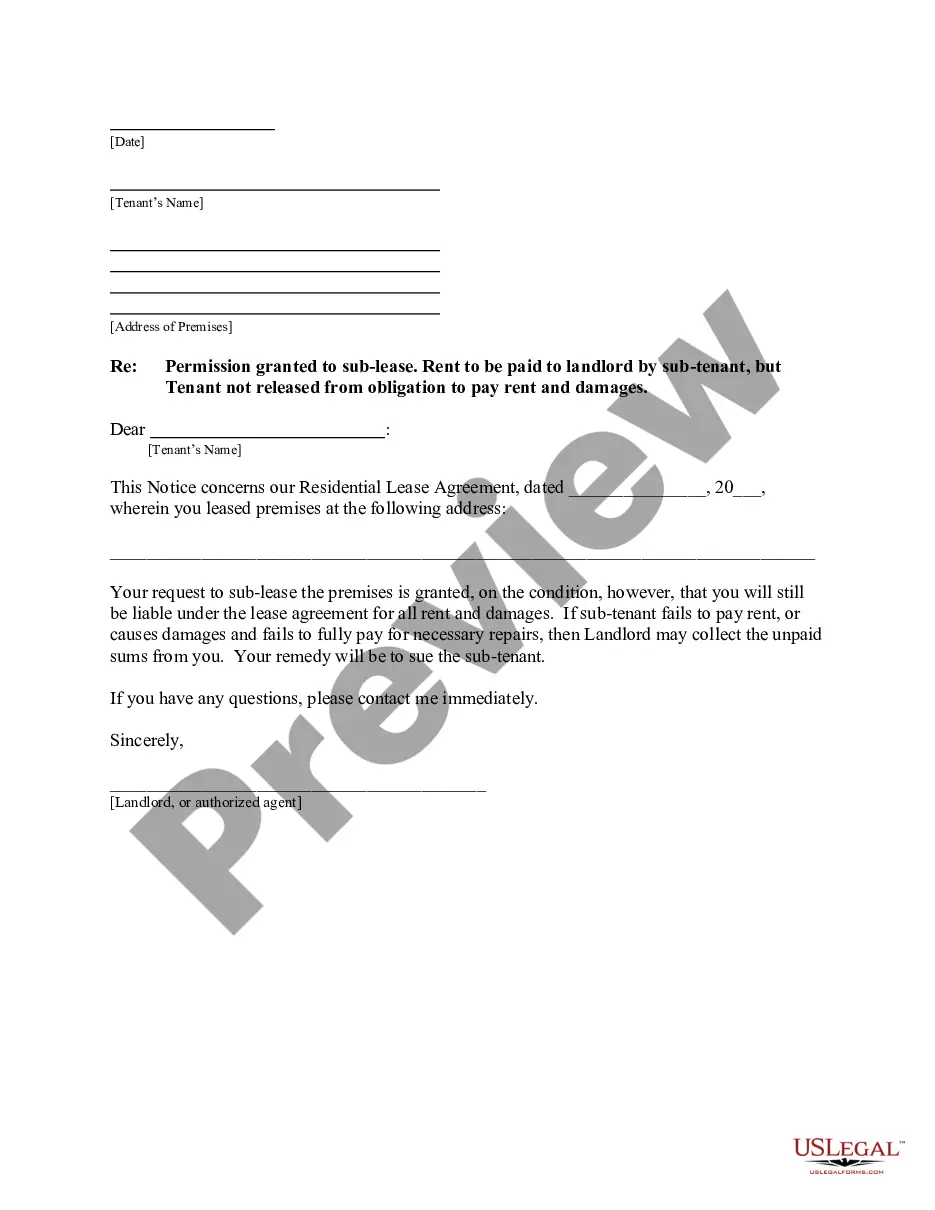
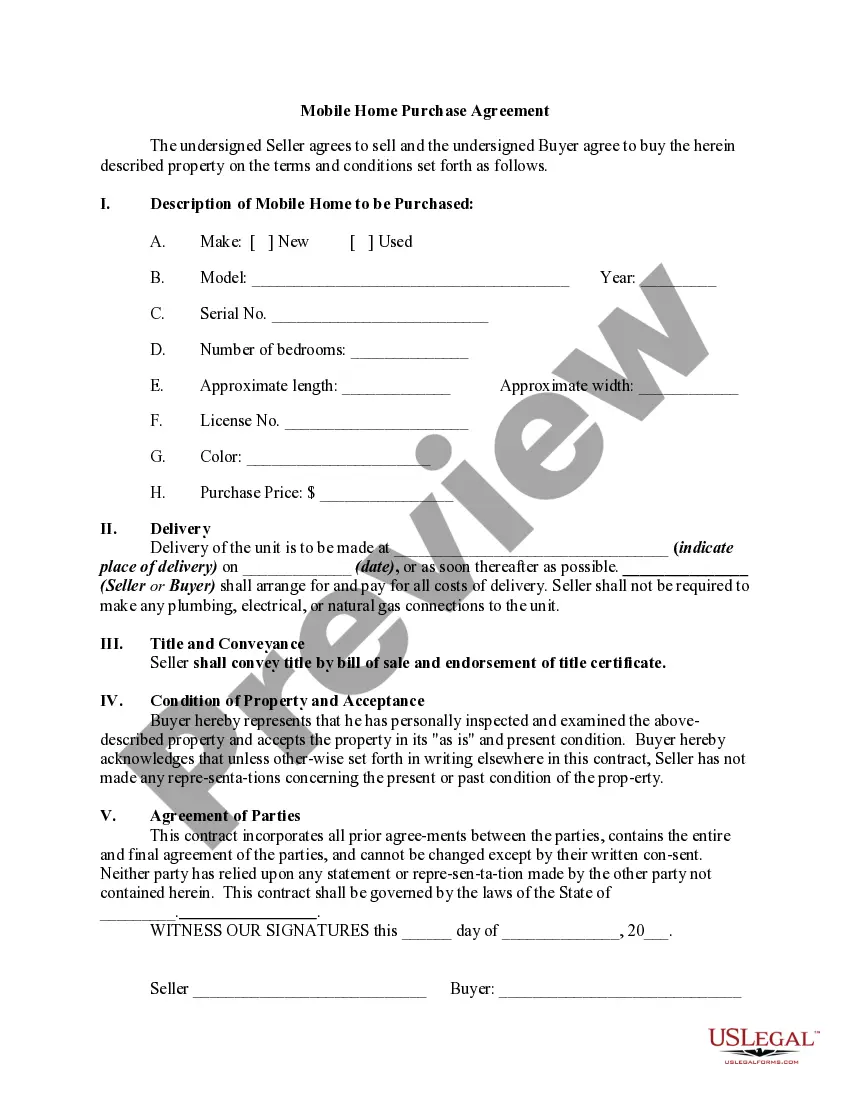




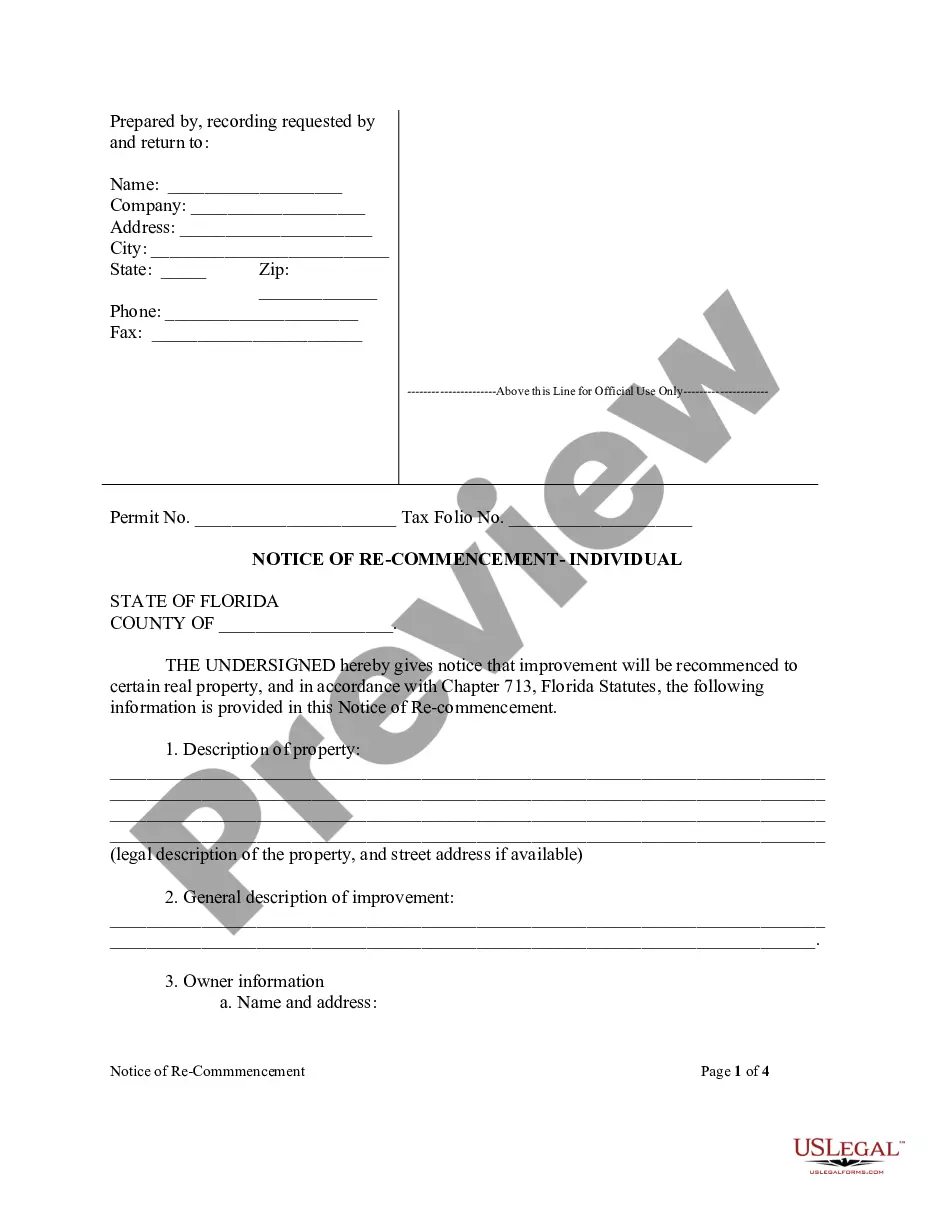


Form popularity
FAQ
California law says the personal representative must complete probate within one year from the date of appointment, unless s/he files a federal estate tax. In this case, the personal representative can have 18 months to complete probate.
In other words, heirs receive their inheritance at the end of the probate proceeding. Generally, this is at least 10-18 months after the probate petition is initially filed with the court. Once the judge has issued the order for distribution, estate heirs can expect to receive an inheritance check within a few weeks.
California generally requires for the executor to distribute assets within a year of being appointed, although there are many circumstances that can cause the executor to require more time, which they may be able to get by requesting an extension from the court.
Thus the court concluded: (1) one time gifts or inheritances are not income; (2) interest, rents, dividends which are actually earned from gifts or inheritances are income for purposes of child support; and (3) imputation of income based on the inheritance or on interest the sum could have earned if invested may be ...
– Executors are fiduciaries, meaning they must act in the best interest of the estate and its beneficiaries. They cannot use estate assets for personal gain or benefit from the estate improperly.
CALIFORNIA DEPARTMENT OF CHILD SUPPORT SERVICES When a CP is deceased, current support and non-assigned arrears collections become a debt owed to an estate if one exists. Under Title IV, Part D of the Social Security Act (IV-D), continuing to collect on behalf of an estate is a non-IV-D activity.
Liability when an executor makes a mistake Unfortunately, a genuine mistake can sometimes snowball into a much bigger and often expensive problem that can be very complicated to resolve. The executor of an estate can be held personally liable for a mistake that results in a loss to the estate.
Unlike many other legal matters, California sets no statute of limitations for collecting past-due child support. There's no time limit on a parent's ability to seek unpaid child support from the non-custodial parent, and the court can enforce child support obligations until the parent pays them in full.

