Settlement Against Estate For Tax Purposes In Illinois
Description


Get your form ready online
Our built-in tools help you complete, sign, share, and store your documents in one place.
Make edits, fill in missing information, and update formatting in US Legal Forms—just like you would in MS Word.
Download a copy, print it, send it by email, or mail it via USPS—whatever works best for your next step.
Sign and collect signatures with our SignNow integration. Send to multiple recipients, set reminders, and more. Go Premium to unlock E-Sign.
If this form requires notarization, complete it online through a secure video call—no need to meet a notary in person or wait for an appointment.
We protect your documents and personal data by following strict security and privacy standards.

Make edits, fill in missing information, and update formatting in US Legal Forms—just like you would in MS Word.

Download a copy, print it, send it by email, or mail it via USPS—whatever works best for your next step.

Sign and collect signatures with our SignNow integration. Send to multiple recipients, set reminders, and more. Go Premium to unlock E-Sign.

If this form requires notarization, complete it online through a secure video call—no need to meet a notary in person or wait for an appointment.

We protect your documents and personal data by following strict security and privacy standards.
Looking for another form?



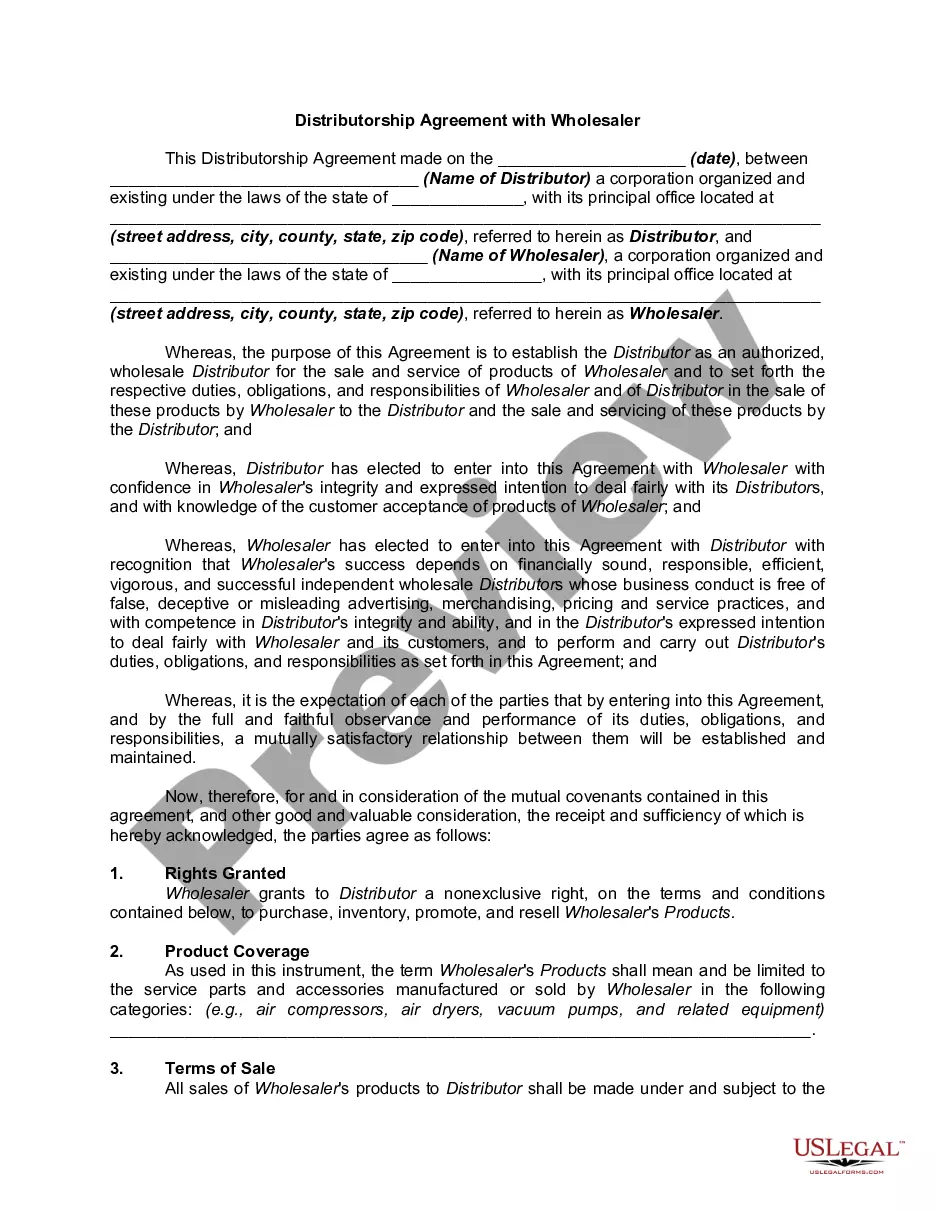
Form popularity
FAQ
The state of Illinois does not set a specific time limit for settling an estate, but it does expect executors and probate courts to handle the process as efficiently and diligently as possible. Because of the variation in estates, the length of the process can vary from several months to several years.
Probate is just one way to settle an estate when someone dies. And it's not always required. Illinois law allows a different and simplified procedure for handling small estates. A small estate is one with no land and less than $100,000 in total assets.
In Illinois, the settlement of an estate typically involves the probate process. Probate is a legal procedure that includes validating a will, identifying and appraising assets, settling debts, and distributing assets to beneficiaries.
When a person dies in Illinois, anyone who has a claim against a decedent's estate —whether it is a contract, tort, or statutory custodial claim—may file that claim with the estate representative or with the court.
Illinois' “per stirpes” law dictates that half of the estate passes to the surviving spouse while the other half is divided among children, grandchildren, and great-grandchildren. If there is no surviving spouse, the entire estate passes to the deceased's children.
Another key difference: While there is no federal inheritance tax, there is a federal estate tax. The federal estate tax generally applies to assets over $13.61 million in 2024 and $13.99 million in 2025, and the federal estate tax rate ranges from 18% to 40%.

