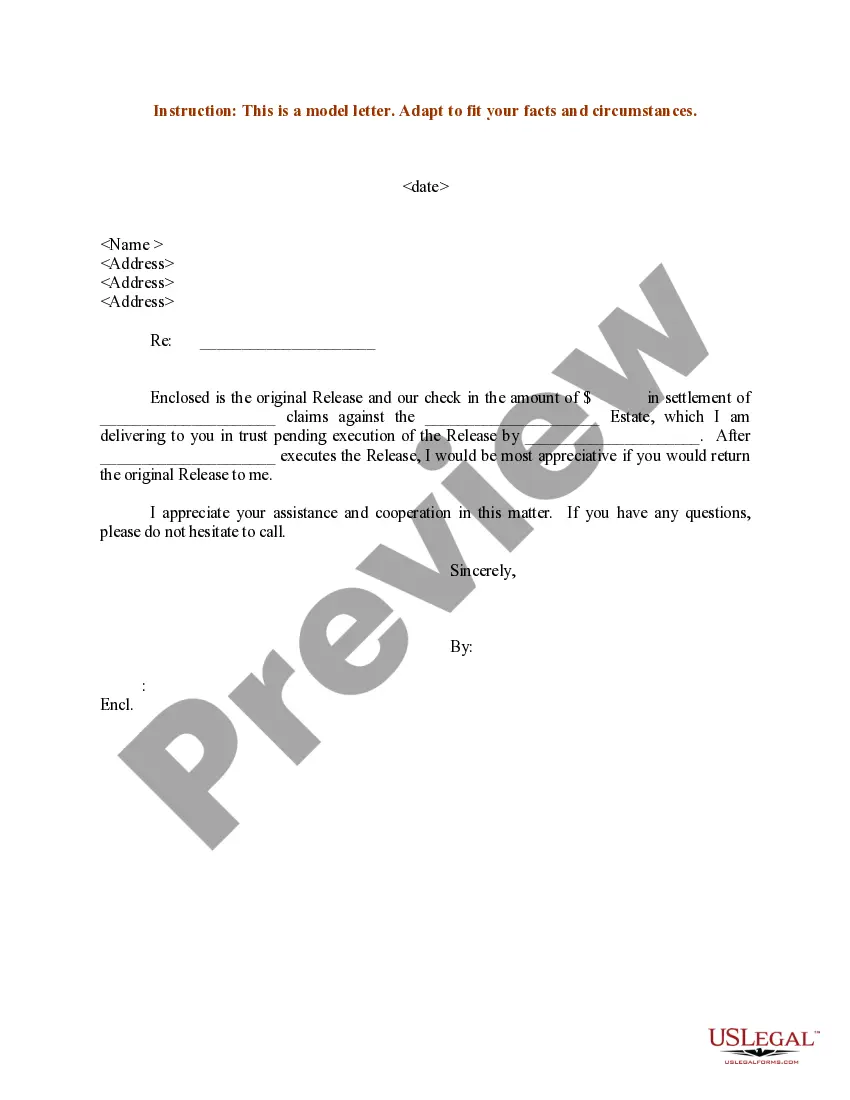
Claim Against Estate File With Court In Illinois
Description
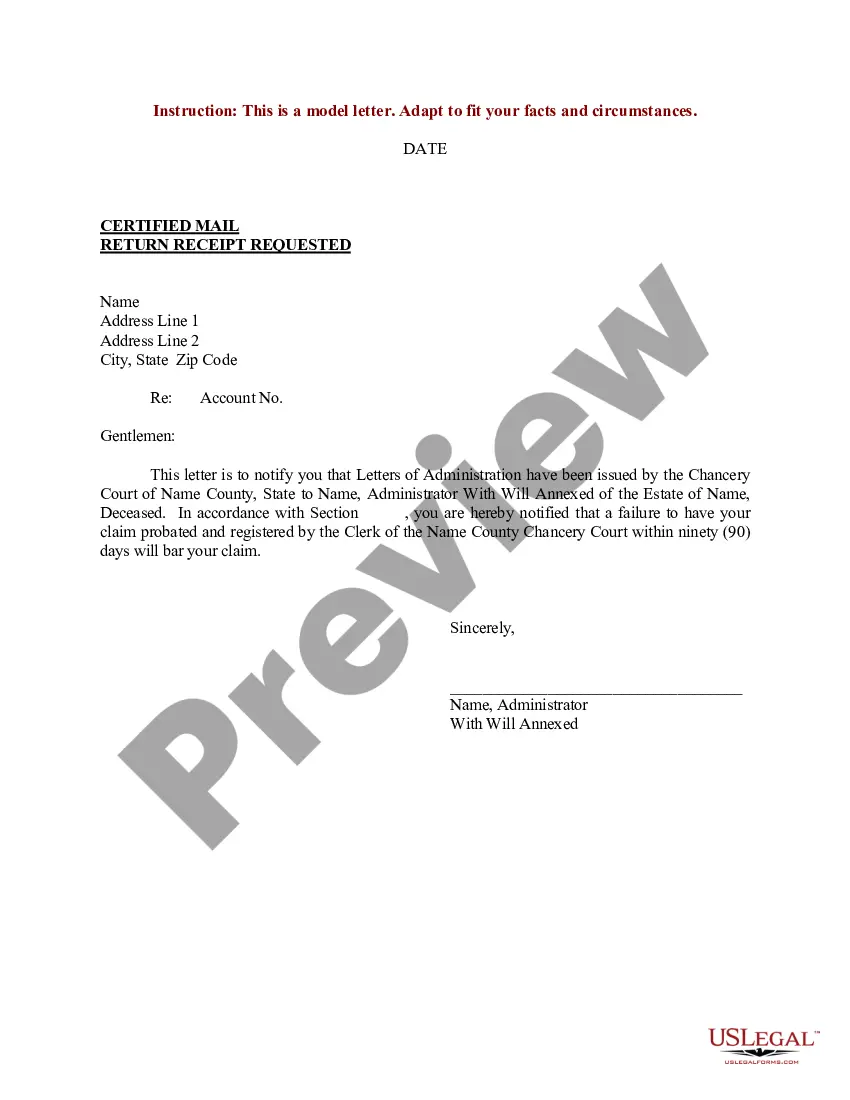
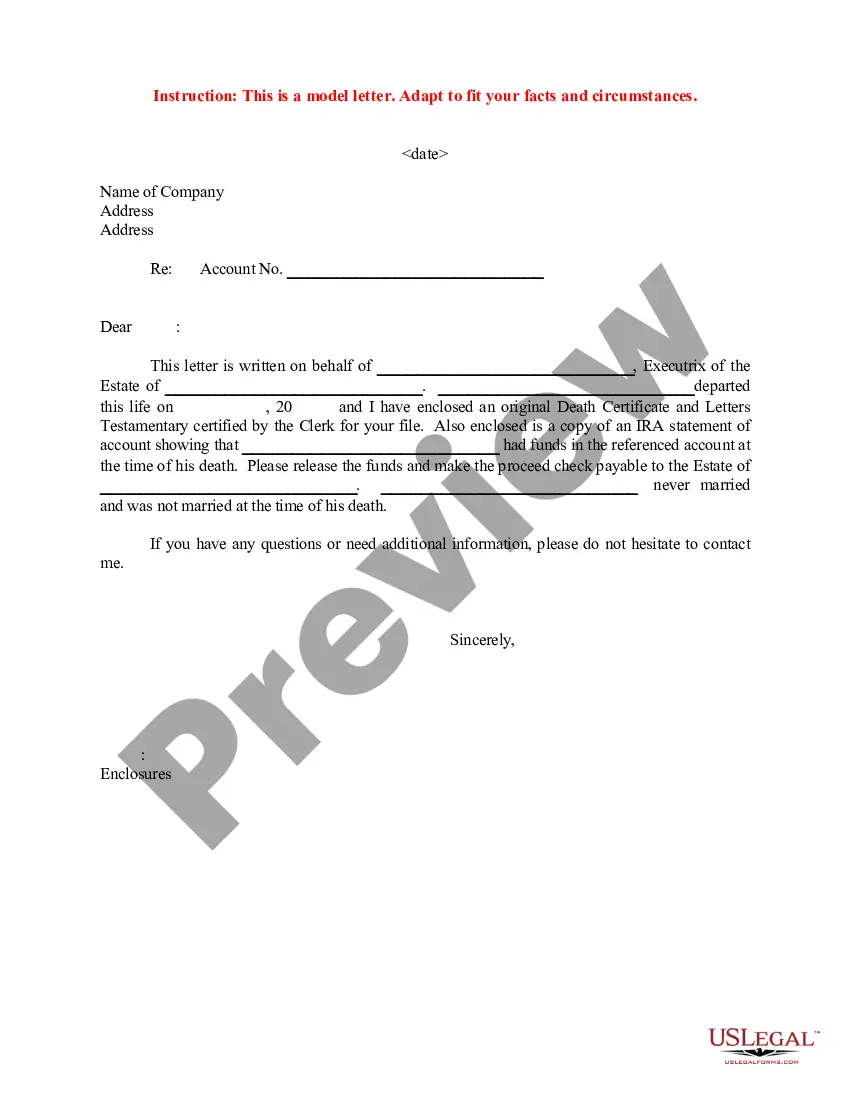
Get your form ready online
Our built-in tools help you complete, sign, share, and store your documents in one place.
Make edits, fill in missing information, and update formatting in US Legal Forms—just like you would in MS Word.
Download a copy, print it, send it by email, or mail it via USPS—whatever works best for your next step.
Sign and collect signatures with our SignNow integration. Send to multiple recipients, set reminders, and more. Go Premium to unlock E-Sign.
If this form requires notarization, complete it online through a secure video call—no need to meet a notary in person or wait for an appointment.
We protect your documents and personal data by following strict security and privacy standards.

Make edits, fill in missing information, and update formatting in US Legal Forms—just like you would in MS Word.

Download a copy, print it, send it by email, or mail it via USPS—whatever works best for your next step.

Sign and collect signatures with our SignNow integration. Send to multiple recipients, set reminders, and more. Go Premium to unlock E-Sign.

If this form requires notarization, complete it online through a secure video call—no need to meet a notary in person or wait for an appointment.

We protect your documents and personal data by following strict security and privacy standards.
Looking for another form?
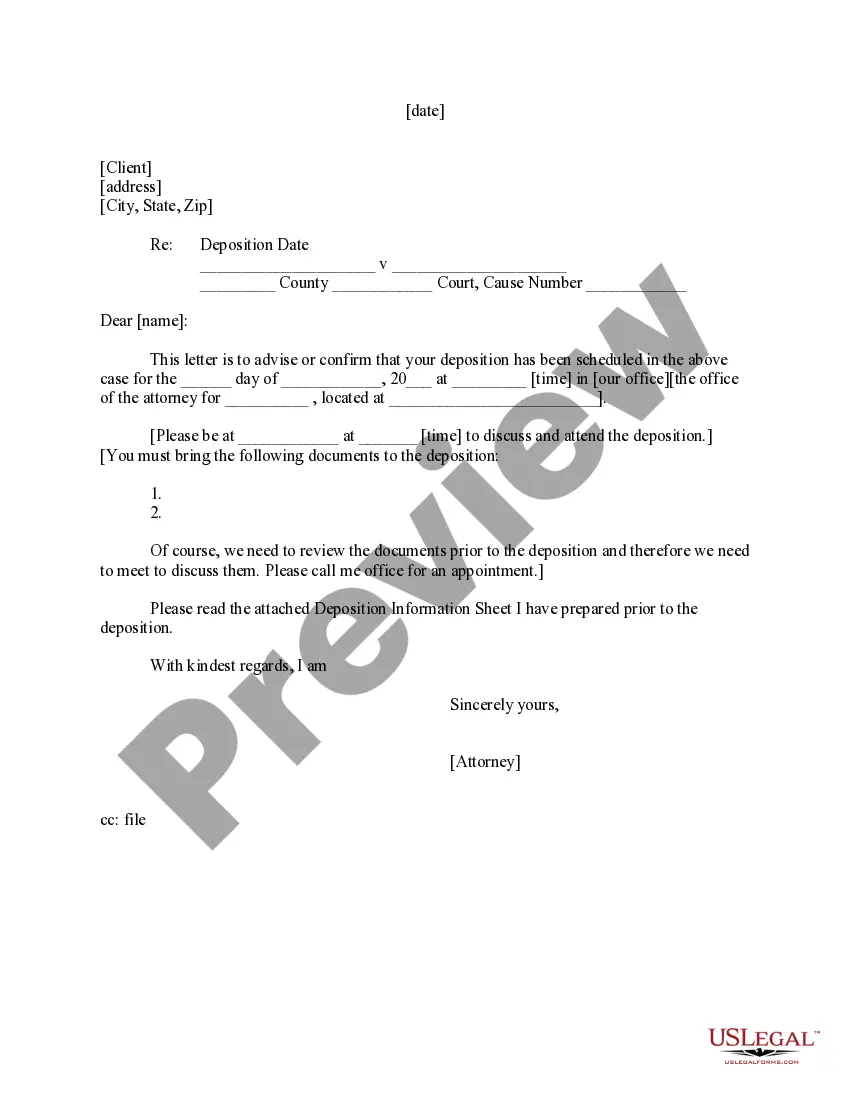
Form popularity
FAQ
When a person dies in Illinois, anyone who has a claim against a decedent's estate —whether it is a contract, tort, or statutory custodial claim—may file that claim with the estate representative or with the court.
In this article... In the state of Illinois, a strict statute of limitations governs the filing period for claims against an estate in probate court. Creditors have exactly two years from the date of death to file their claim.
California Probate Codes on Suing an Estate Probate Code 551 allows for filing a lawsuit within 40 days with an additional year if the injured person was unaware of the defendant's demise.
Summary: How Long Do You Have to Transfer Property After Death? The short answer to this question is – it depends. As discussed earlier, if the property needs to go through the probate process, it can take 9 months to a year before the executor can sell or transfer it.
The state of Illinois does not set a specific time limit for settling an estate, but it does expect executors and probate courts to handle the process as efficiently and diligently as possible. Because of the variation in estates, the length of the process can vary from several months to several years.
While Illinois does not set a strict time limit for settling an estate, it is essential to proceed diligently and efficiently. The length of the probate process can vary widely, from several months to several years, depending on the complexity of the estate and any legal challenges that may arise.
Ing to 755 ILCS 5/24-9 of the Illinois Probate Act, it states: Reopening estate.) If a decedent's estate has been closed and the representative discharged, it may be reopened to permit the administration of a newly discovered asset or of an unsettled portion of the estate on the petition of any interested person.