Letter Settlement Estate Sample With Deed Of Sale In Georgia
Description


Get your form ready online
Our built-in tools help you complete, sign, share, and store your documents in one place.
Make edits, fill in missing information, and update formatting in US Legal Forms—just like you would in MS Word.
Download a copy, print it, send it by email, or mail it via USPS—whatever works best for your next step.
Sign and collect signatures with our SignNow integration. Send to multiple recipients, set reminders, and more. Go Premium to unlock E-Sign.
If this form requires notarization, complete it online through a secure video call—no need to meet a notary in person or wait for an appointment.
We protect your documents and personal data by following strict security and privacy standards.

Make edits, fill in missing information, and update formatting in US Legal Forms—just like you would in MS Word.

Download a copy, print it, send it by email, or mail it via USPS—whatever works best for your next step.

Sign and collect signatures with our SignNow integration. Send to multiple recipients, set reminders, and more. Go Premium to unlock E-Sign.

If this form requires notarization, complete it online through a secure video call—no need to meet a notary in person or wait for an appointment.

We protect your documents and personal data by following strict security and privacy standards.
Looking for another form?
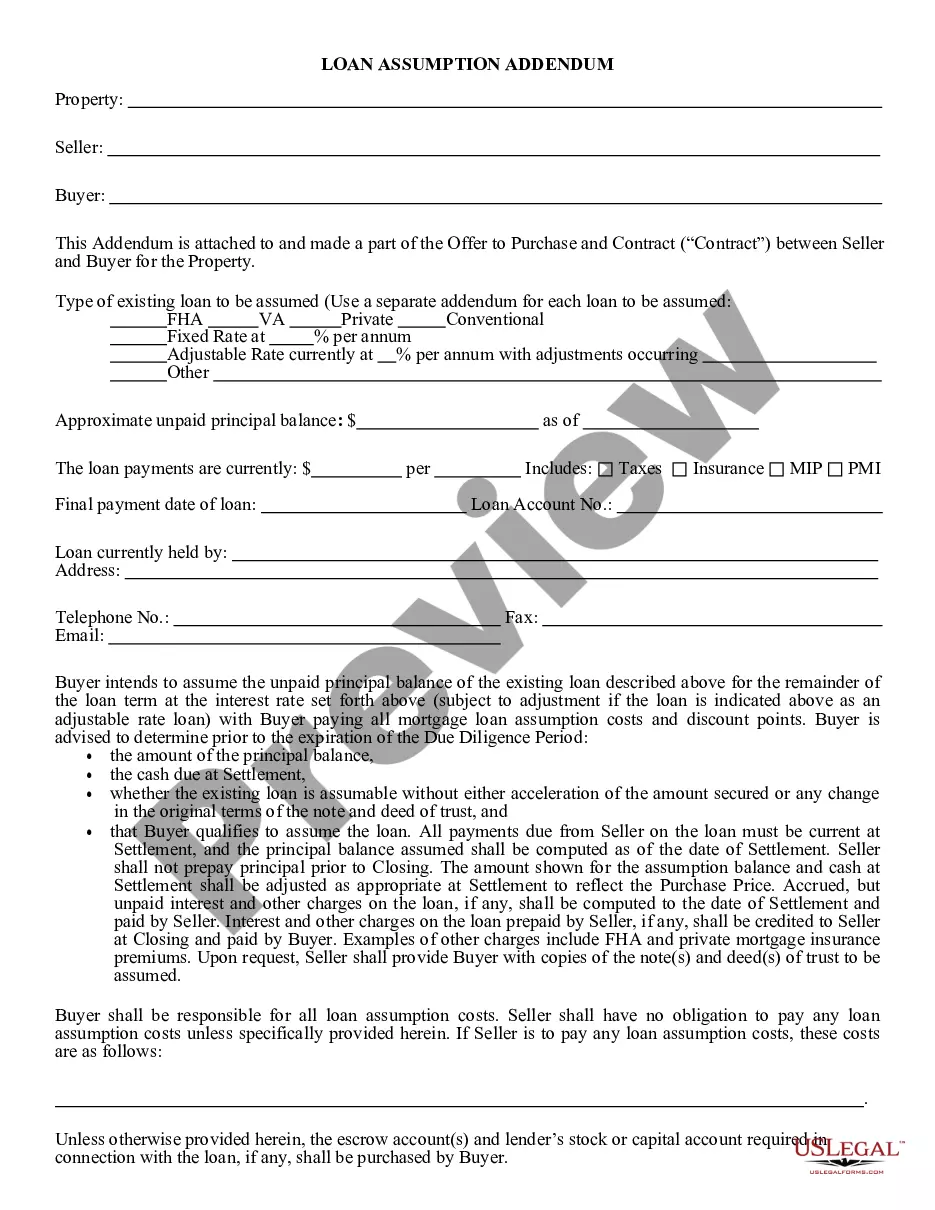
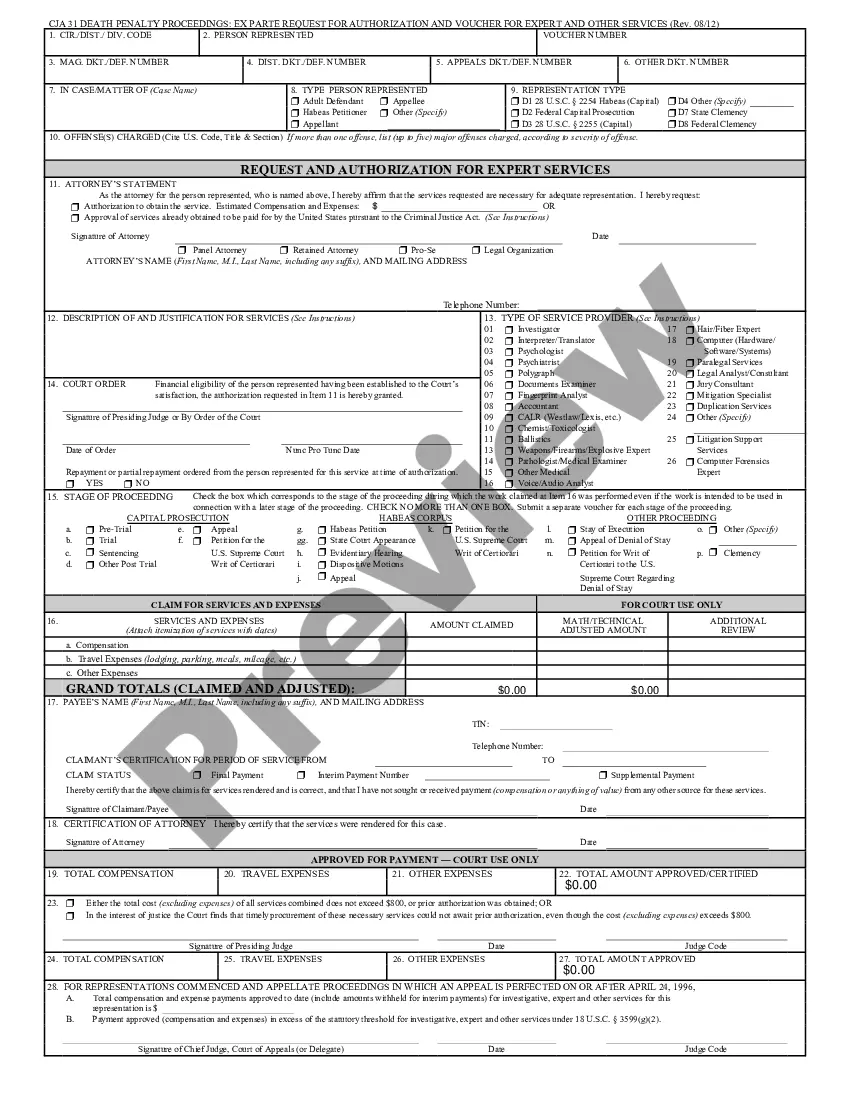

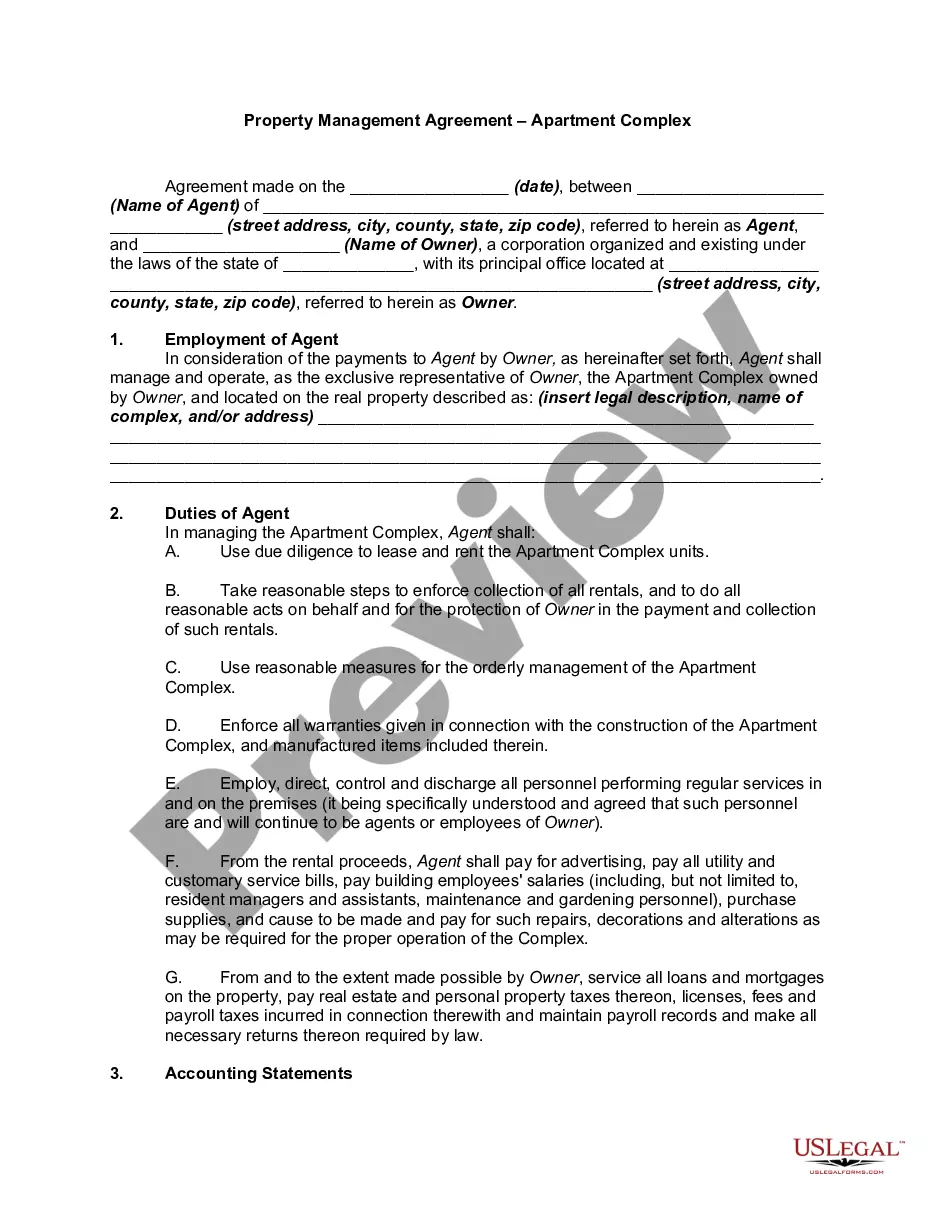
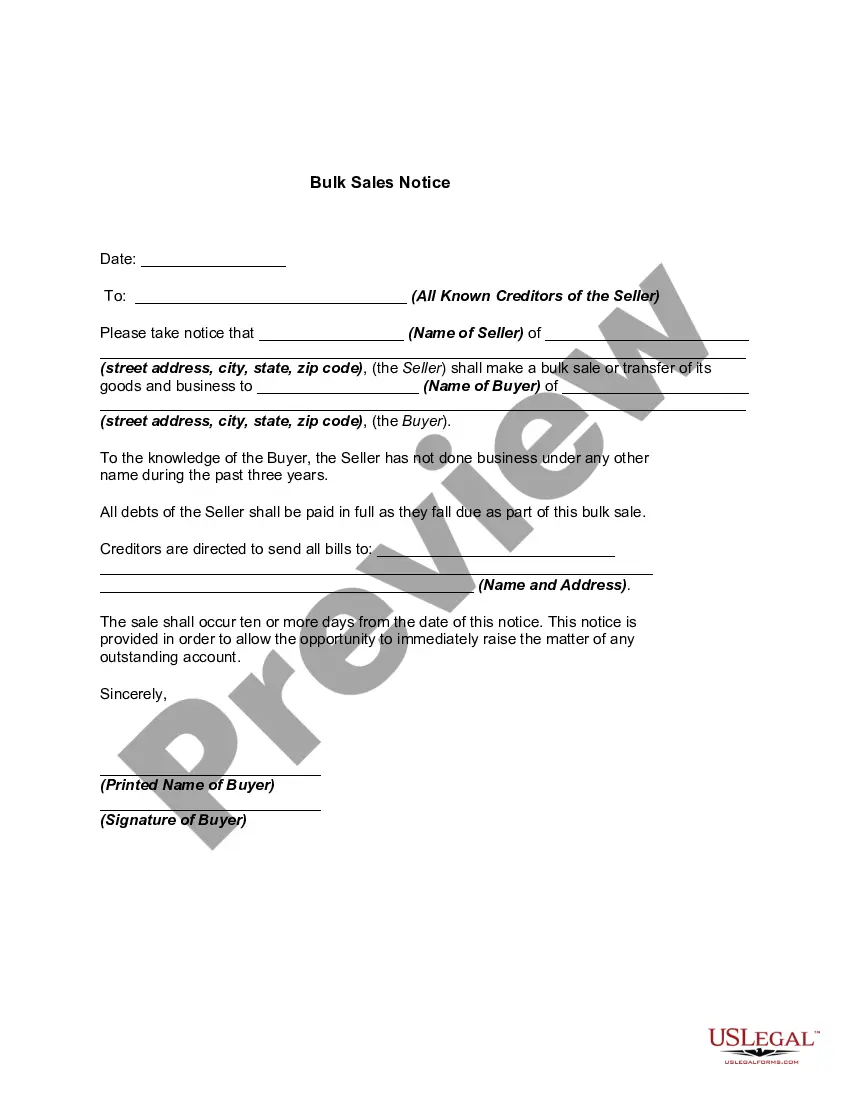

Form popularity
FAQ
In Georgia, all property records are public. Deeds, liens, mortgages and tax information are available to anyone who wants to pull them.
In Georgia, transferring title from the estate to heirs typically requires the execution of an appropriate deed. Because there was no will, the administrator acts under the authority granted by the probate court to issue a deed transferring the property's legal title to the heirs.
That said, probate in Georgia is a process expected to take anywhere from at least about six months to as much as a few years. Therefore, those who are expecting a quick resolution and distribution of assets are probably going to be disappointed.
If you're willed the home, it's likely an executor's deed. If the late homeowner died without a will, you'll likely get an administrator's deed. If you're receiving your interest from another heir, it might even be a quitclaim deed.
Unlike a sale deed, a settlement deed does not necessarily involve direct monetary consideration. Instead, it may be executed out of love, affection, or family arrangements. For example, if parents want to release their property rights to their sons and daughters, they can do so through a settlement deed.
The extrajudicial settlement of estate with a Deed of Sale is a common legal process in the Philippines, allowing heirs to settle the estate of a deceased person without undergoing judicial proceedings.
Can An Executor Sell Estate Property Without Getting Approval From All Beneficiaries? The executor can sell property without getting all of the beneficiaries to approve. However, notice will be sent to all the beneficiaries so that they know of the sale but they don't have to approve of the sale.
A: In California probate cases, you actually need an Executor's Deed rather than a Grant Deed to transfer real property - this is the proper legal instrument for transferring property through probate.
Can an Executor Transfer Property to Himself or Herself? If the executor is also a beneficiary (which is common for executors), they not only would be justified in transferring property to themselves, but it would be their job to do so.
Extra-Judicial Settlement (EJS) with Waiver of Rights An EJS is a legal document that heirs use to divide and distribute the estate of a deceased person when there is no will (intestate succession) and when the heirs are in agreement on the division.

