Claim Against Estate Document For Editing In Georgia
Description


Get your form ready online
Our built-in tools help you complete, sign, share, and store your documents in one place.
Make edits, fill in missing information, and update formatting in US Legal Forms—just like you would in MS Word.
Download a copy, print it, send it by email, or mail it via USPS—whatever works best for your next step.
Sign and collect signatures with our SignNow integration. Send to multiple recipients, set reminders, and more. Go Premium to unlock E-Sign.
If this form requires notarization, complete it online through a secure video call—no need to meet a notary in person or wait for an appointment.
We protect your documents and personal data by following strict security and privacy standards.

Make edits, fill in missing information, and update formatting in US Legal Forms—just like you would in MS Word.

Download a copy, print it, send it by email, or mail it via USPS—whatever works best for your next step.

Sign and collect signatures with our SignNow integration. Send to multiple recipients, set reminders, and more. Go Premium to unlock E-Sign.

If this form requires notarization, complete it online through a secure video call—no need to meet a notary in person or wait for an appointment.

We protect your documents and personal data by following strict security and privacy standards.
Looking for another form?





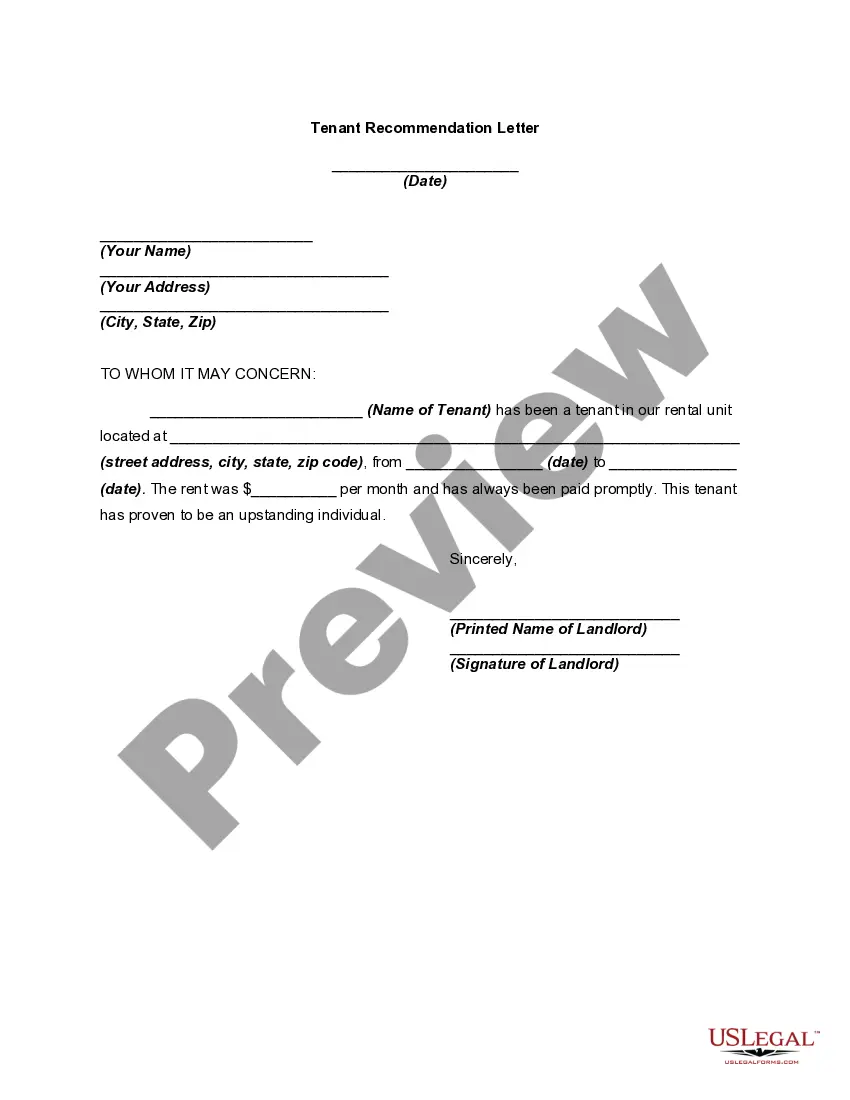
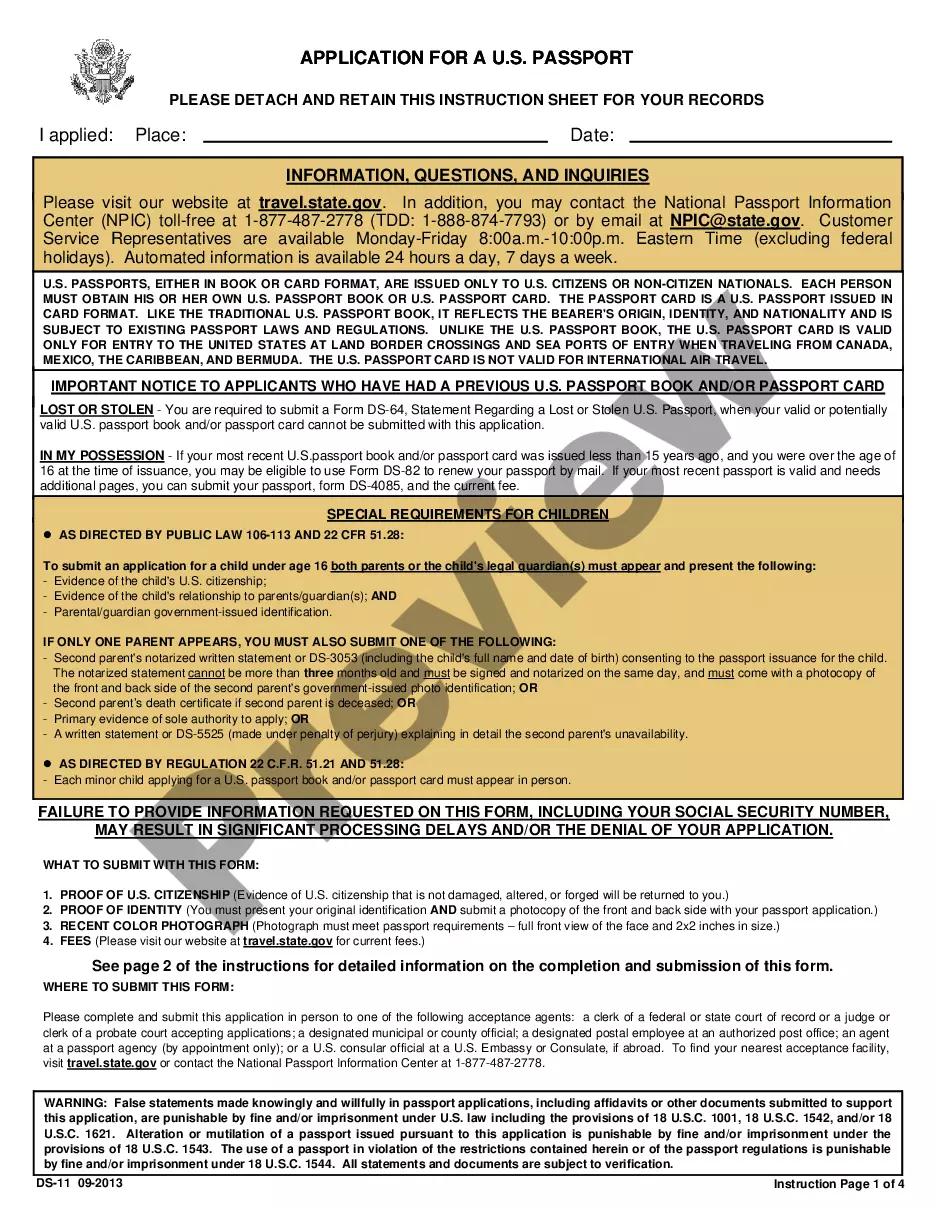



Form popularity
FAQ
To make a claim in an estate, the creditor must go through the court system. The creditor first files a Statement of Claim in the probate matter for the decedent, or the person who died.
Georgia is one of a few that allows heirs to forego the probate process, with no estate dollar value limitation, as long as: there are no outstanding debts. all heirs agree with the distribution plan. there is no last will and testament.
Georgia state law does not provide a timeframe for opening an estate within a set number of days, weeks, or months after someone passes away. While there's no strict deadline for opening an estate, if you possess an original will, you are legally obliged to turn it over to the appropriate probate court.
Creditors in Georgia have three months from the date the notice is published to file their claims (O.C.G.A. § 53-7-41). If creditors fail to meet this deadline, they generally lose their right to collect the debt from the estate. Executors are not required to take action on claims filed after the deadline.
No action to recover a debt due by the decedent shall be commenced against the personal representative until the expiration of six months from the date of qualification of the first personal representative to serve.
An executor in Georgia typically has six months to a year to settle an estate. However, the exact timeline can vary based on the estate's complexity and any disputes. Here are the key steps and what to expect.
As per Georgia Law, you are not required to probate an estate in court. However, the law will require you to present the original will to the appropriate probate court. Carrying out the probate process can protect your loved one's assets and ensure everything is in order.
If no spouse, children, descendants of children, or parents survived the decedent, the brothers and sisters of the decedent and the descendants of any deceased brother or sister who predeceased the decedent will be the heirs. If none of the above were living at decedent's death, then the grandparents will be the heirs.

