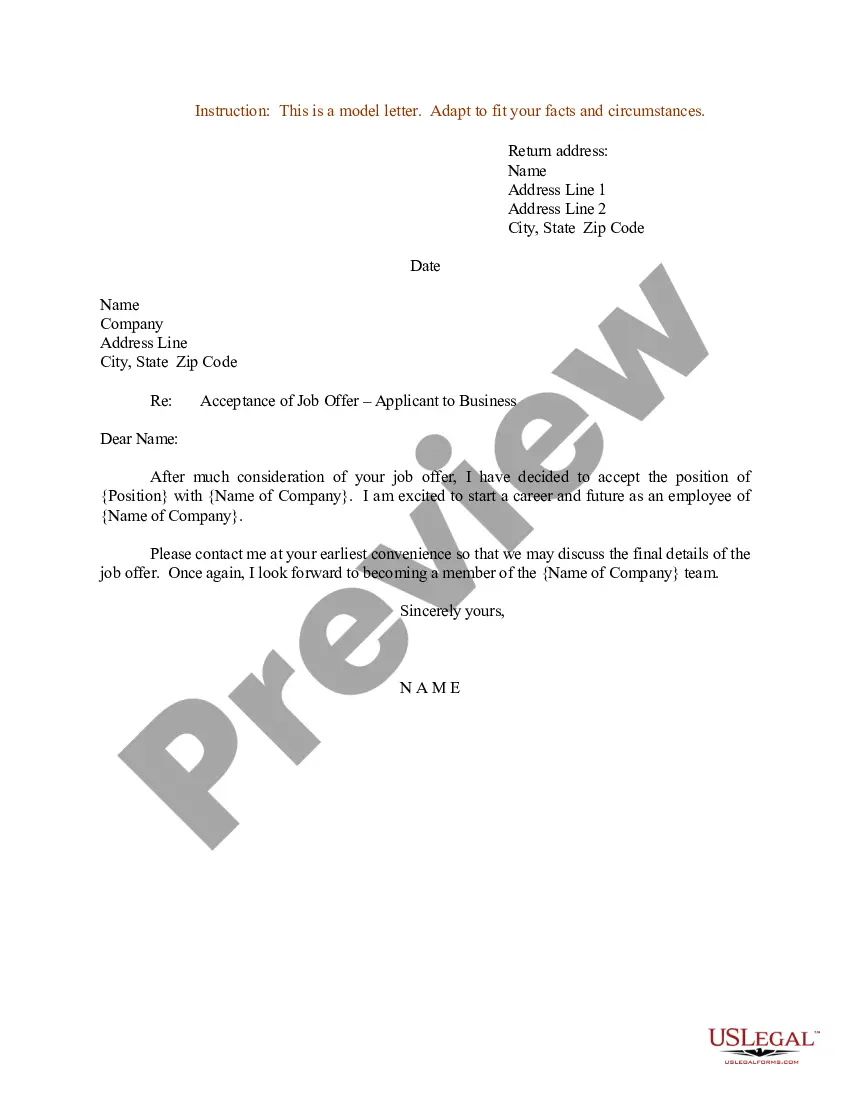
Claim Against Estate File For Maintenance In Fulton
Description


Get your form ready online
Our built-in tools help you complete, sign, share, and store your documents in one place.
Make edits, fill in missing information, and update formatting in US Legal Forms—just like you would in MS Word.
Download a copy, print it, send it by email, or mail it via USPS—whatever works best for your next step.
Sign and collect signatures with our SignNow integration. Send to multiple recipients, set reminders, and more. Go Premium to unlock E-Sign.
If this form requires notarization, complete it online through a secure video call—no need to meet a notary in person or wait for an appointment.
We protect your documents and personal data by following strict security and privacy standards.

Make edits, fill in missing information, and update formatting in US Legal Forms—just like you would in MS Word.

Download a copy, print it, send it by email, or mail it via USPS—whatever works best for your next step.

Sign and collect signatures with our SignNow integration. Send to multiple recipients, set reminders, and more. Go Premium to unlock E-Sign.

If this form requires notarization, complete it online through a secure video call—no need to meet a notary in person or wait for an appointment.

We protect your documents and personal data by following strict security and privacy standards.
Looking for another form?









Form popularity
FAQ
Creditors in Georgia have three months from the date the notice is published to file their claims (O.C.G.A. § 53-7-41). If creditors fail to meet this deadline, they generally lose their right to collect the debt from the estate. Executors are not required to take action on claims filed after the deadline.
An executor in Georgia typically has six months to a year to settle an estate. However, the exact timeline can vary based on the estate's complexity and any disputes. Here are the key steps and what to expect.
To make a claim in an estate, the creditor must go through the court system. The creditor first files a Statement of Claim in the probate matter for the decedent, or the person who died.
Complications can arise during the process that will add time to the schedule. For example, a party may petition the probate court if the will is not being followed. All being said, the probate process has an average range of 6 to 12 months.
State laws typically govern the specific timeframe for keeping an estate open after death, but the average is about two years. The duration an estate remains open depends on how fast it goes through the probate process, how quickly the executor can fulfill their responsibilities, and the complexity of the estate.
The IRS generally has three years from the date taxpayers file their returns to assess any additional tax for that tax year. There are some limited exceptions to the three-year rule, including when taxpayers fail to file returns for specific years or file false or fraudulent returns.
Filing a claim against an estate is a fairly simple process: In the claim, you'll state under oath that the debt is owed and provide details on the amount of the debt and any payments the decedent made. If you have written documentation, you can attach it to your claim.
Understanding the Deceased Estate 3-Year Rule The core premise of the 3-year rule is that if the deceased's estate is not claimed or administered within three years of their death, the state or governing body may step in and take control of the distribution and management of the assets.
Second, SOME gifts, if made within 3 years of death, are treated as DEATH BED transfers intended to escape taxation and are added back to your estate. For our purposes, the only “gift” you need to be concerned with here is the transfer of ownership of a life insurance policy on your life.