Claim Against Executor Of Estate Form California In Franklin
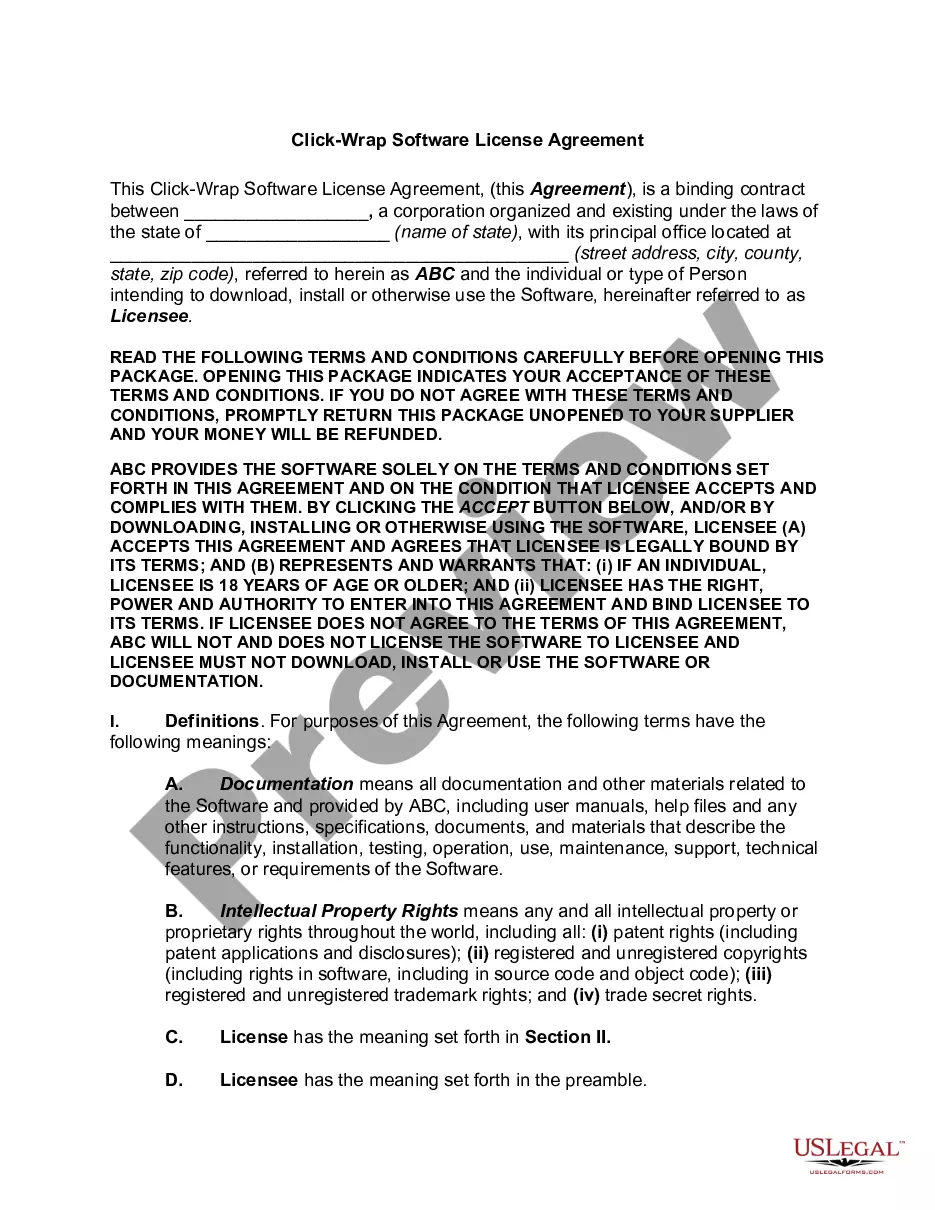
Description


Get your form ready online
Our built-in tools help you complete, sign, share, and store your documents in one place.
Make edits, fill in missing information, and update formatting in US Legal Forms—just like you would in MS Word.
Download a copy, print it, send it by email, or mail it via USPS—whatever works best for your next step.
Sign and collect signatures with our SignNow integration. Send to multiple recipients, set reminders, and more. Go Premium to unlock E-Sign.
If this form requires notarization, complete it online through a secure video call—no need to meet a notary in person or wait for an appointment.
We protect your documents and personal data by following strict security and privacy standards.

Make edits, fill in missing information, and update formatting in US Legal Forms—just like you would in MS Word.

Download a copy, print it, send it by email, or mail it via USPS—whatever works best for your next step.

Sign and collect signatures with our SignNow integration. Send to multiple recipients, set reminders, and more. Go Premium to unlock E-Sign.

If this form requires notarization, complete it online through a secure video call—no need to meet a notary in person or wait for an appointment.

We protect your documents and personal data by following strict security and privacy standards.
Looking for another form?






Form popularity
FAQ
Once the probate process begins, the executive of the estate has 12 months to complete the probate process. One exception to this rule would be if a federal tax filing is required as part of the probate process. In that case, the courts allow 18 months to settle an estate.
How to handle creditors in California during probate. After your loved one dies, you will need to inform creditors of their death. From there, creditors have a time limit to submit claims and you will have to respond within a certain time frame. Overall in California, creditors have only one year to collect on a debt.
In almost every instance, there exists a one-year statute of limitations on any and all claims brought against a decedent, which begins to run on the date of the decedent's death.
Generally, in California creditors of a decedent's estate have up to one year (365 days) from the decedent's death to file a timely creditor claim. The claim must be filed inside an open probate court proceeding.
California probate law permits the removal of an estate executor if justified reasons are presented. This process involves submitting a formal Petition to Remove Administrator of Estate to the probate court, detailing the grounds for removal and possibly proposing a successor.
A: In California, the timeframe for transferring property after death can vary depending on several factors, such as whether the estate goes through probate, utilizes a trust, or qualifies for a simple transfer process. Generally, the process can take between 7 months and 12 months from the time the petition is filed.
California law says the personal representative must complete probate within one year from the date of appointment, unless s/he files a federal estate tax. In this case, the personal representative can have 18 months to complete probate.

