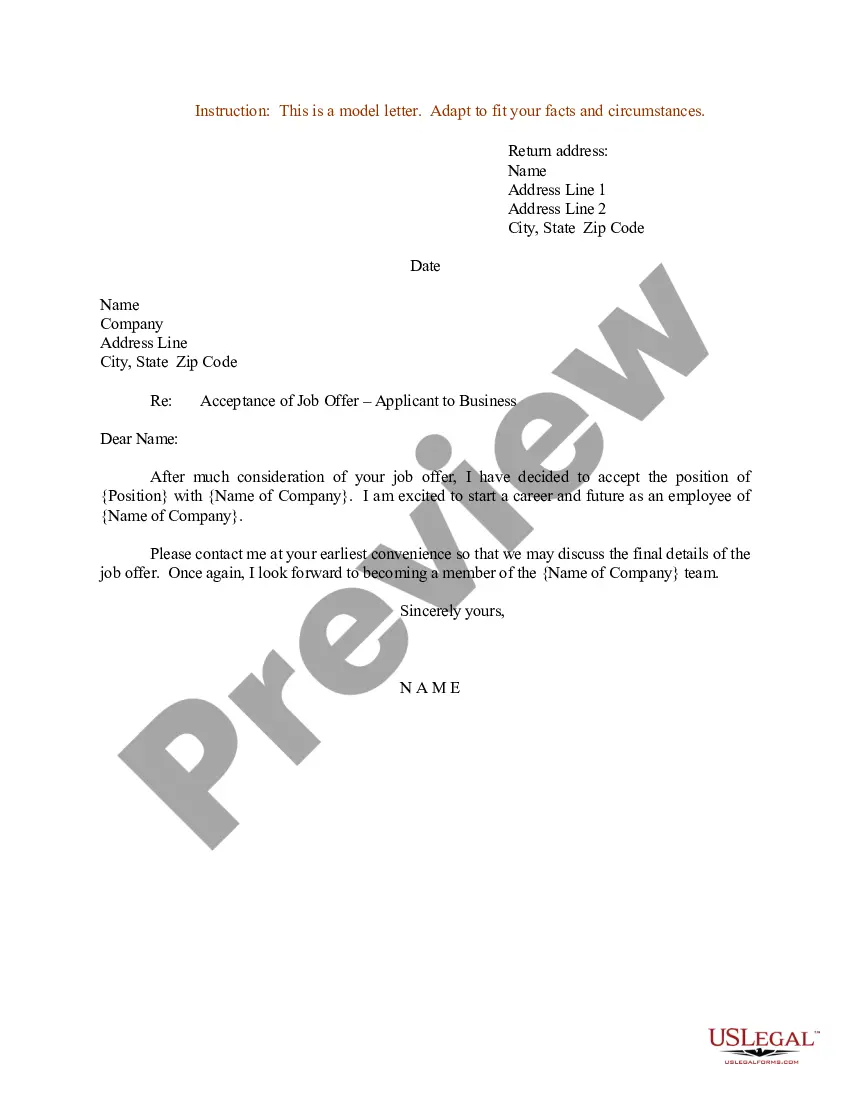
Sample Claim Statement With Nigeria In Dallas
Description


Get your form ready online
Our built-in tools help you complete, sign, share, and store your documents in one place.
Make edits, fill in missing information, and update formatting in US Legal Forms—just like you would in MS Word.
Download a copy, print it, send it by email, or mail it via USPS—whatever works best for your next step.
Sign and collect signatures with our SignNow integration. Send to multiple recipients, set reminders, and more. Go Premium to unlock E-Sign.
If this form requires notarization, complete it online through a secure video call—no need to meet a notary in person or wait for an appointment.
We protect your documents and personal data by following strict security and privacy standards.

Make edits, fill in missing information, and update formatting in US Legal Forms—just like you would in MS Word.

Download a copy, print it, send it by email, or mail it via USPS—whatever works best for your next step.

Sign and collect signatures with our SignNow integration. Send to multiple recipients, set reminders, and more. Go Premium to unlock E-Sign.

If this form requires notarization, complete it online through a secure video call—no need to meet a notary in person or wait for an appointment.

We protect your documents and personal data by following strict security and privacy standards.
Looking for another form?








Form popularity
FAQ
If you are suing Dallas County or the City of Dallas, the limits are $100,000 per person for injury, $300,000 per accident, and $100,000 for property damage. You also cannot win punitive damages against a state or local government entity.
Small Claims Cases in Texas The limit to the amount that a person can sue for in small claims cases is $20,000.
What Happens if I Lose My Small Claims Case? If the judgment is in favor of the defendant, you can file a motion for new trial within 14 days of the judgment. That means that you want a “do over” in the same justice court. You would need to show that justice wasn't done in the original case.
Here are some tips for presenting a winning small claims court case. Make sure your case is appropriate for small claims court. Get your documents in order. Prepare your witnesses. Practice for your day in court. Be on your best behavior. Be prepared to go the distance.
In Texas, municipalities, or any governmental entity, generally have “sovereign immunity” from law suits. As a result, there are strict guidelines to follow when suing a municipality, i.e. the government. One such guideline is the six month notice requirement under the Texas Tort Claims Act (TTCA).
In other words, you cannot sue the government unless the government allows you to do so. Many states, including Texas, have waived sovereign immunity for some negligence claims. As a result, citizens can sue the state, county, city, and local governments and agencies for injuries.
Under this rule, the government must give people permission to sue them. The State of Texas, however, like many other states, grants citizens the right to sue the State, cities, and/or counties by Statute. The Statute is called the Texas Tort Claims Act.