Settlement Against Estate Without Will In Contra Costa
Description


Get your form ready online
Our built-in tools help you complete, sign, share, and store your documents in one place.
Make edits, fill in missing information, and update formatting in US Legal Forms—just like you would in MS Word.
Download a copy, print it, send it by email, or mail it via USPS—whatever works best for your next step.
Sign and collect signatures with our SignNow integration. Send to multiple recipients, set reminders, and more. Go Premium to unlock E-Sign.
If this form requires notarization, complete it online through a secure video call—no need to meet a notary in person or wait for an appointment.
We protect your documents and personal data by following strict security and privacy standards.

Make edits, fill in missing information, and update formatting in US Legal Forms—just like you would in MS Word.

Download a copy, print it, send it by email, or mail it via USPS—whatever works best for your next step.

Sign and collect signatures with our SignNow integration. Send to multiple recipients, set reminders, and more. Go Premium to unlock E-Sign.

If this form requires notarization, complete it online through a secure video call—no need to meet a notary in person or wait for an appointment.

We protect your documents and personal data by following strict security and privacy standards.
Looking for another form?


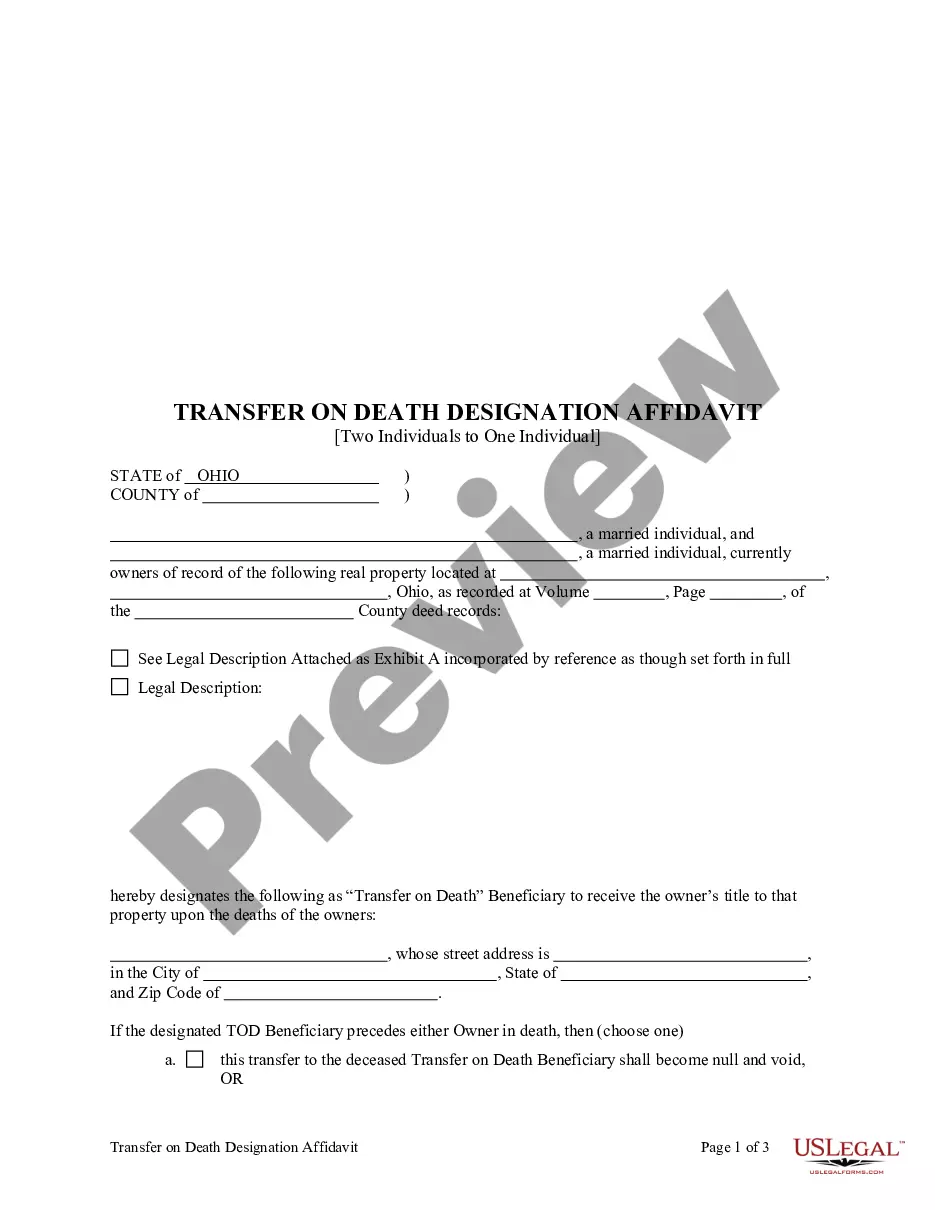






Form popularity
FAQ
If you'd like to file as the executor of an estate with no will, we've outlined 6 steps for you to follow: Find out your place in line. Obtain waivers from other family members. Contact the court. File your administration petition. Go to the probate hearing. Get a probate bond.
If the person did not have a will or trust, often a close relative will handle any probate. If the person was married when they died, their spouse is often the person. Or, if they have adult children, then an adult child.
If you belong to a class of person who is entitled to inspect the will and the executor won't provide a copy of the will, you should seek the advice of a lawyer immediately.
Proving Executor. The named Executor can firstly act as what is called a 'proving Executor' which means that they would take up their role as the Personal Representative, and actively deal with administering the estate of the individual who has passed away.
In California, there's no strict deadline for filing probate after death, but it's advisable to begin the process as soon as possible. Delays in filing can lead to complications, such as the estate's assets becoming unmanageable or creditors taking legal action to collect debts.
Small Estate Affidavit If the estate consists solely of personal property (for example a bank account) and the gross value is under $166,250, you could complete an Affidavit (or Declaration) for Collection or Transfer of Personal Property under Probate Code §13100. This is not a court procedure.
Without initiating probate, the legal authority to access or transfer the deceased's assets is lacking. This means that bank accounts, real estate, and other valuable assets can't be legally accessed or transferred to beneficiaries.
Probate in California Without a Will — How It Works If they hadn't, it's likely a formal probate will be required. If a formal probate is required, the court will proceed to appoint an administrator to oversee the decedent's intestate estate.
What to do if there is no will. If there is no will or an executor has not been named, refer to the estate law of the Provincial or Territorial government where the person died. Identifying a legal representative will ensure that the deceased's affairs are managed quickly.
Can You Sue A Deceased Person? The short answer to this question in California is yes. Two sets of California statutes set out the applicable law under these circumstances: Code of Civil Procedure Sections 337.40 through 377.42; and Probate Code Sections 550 through 554.

