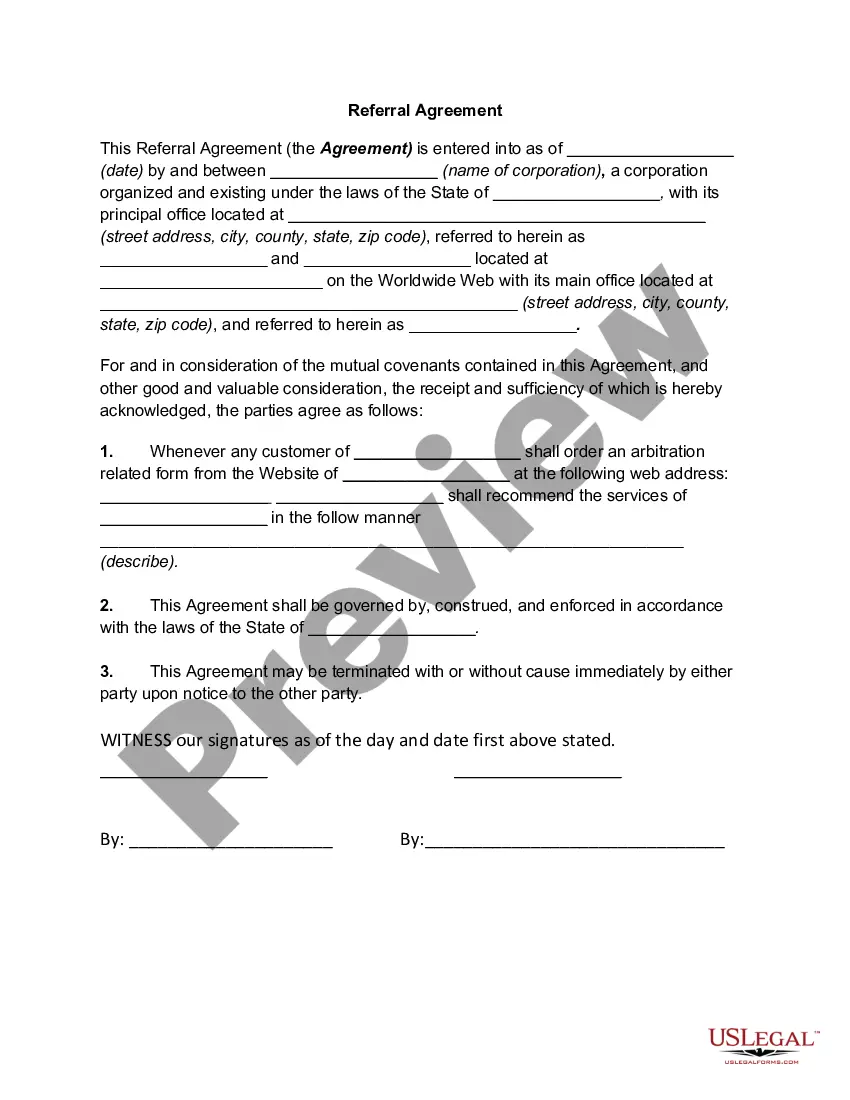
Claim Against Estate File Format In Collin
Description


Get your form ready online
Our built-in tools help you complete, sign, share, and store your documents in one place.
Make edits, fill in missing information, and update formatting in US Legal Forms—just like you would in MS Word.
Download a copy, print it, send it by email, or mail it via USPS—whatever works best for your next step.
Sign and collect signatures with our SignNow integration. Send to multiple recipients, set reminders, and more. Go Premium to unlock E-Sign.
If this form requires notarization, complete it online through a secure video call—no need to meet a notary in person or wait for an appointment.
We protect your documents and personal data by following strict security and privacy standards.

Make edits, fill in missing information, and update formatting in US Legal Forms—just like you would in MS Word.

Download a copy, print it, send it by email, or mail it via USPS—whatever works best for your next step.

Sign and collect signatures with our SignNow integration. Send to multiple recipients, set reminders, and more. Go Premium to unlock E-Sign.

If this form requires notarization, complete it online through a secure video call—no need to meet a notary in person or wait for an appointment.

We protect your documents and personal data by following strict security and privacy standards.
Looking for another form?







Form popularity
FAQ
If a creditor wishes to file a claim against the estate, they must do so in writing and provide documentation of the debt. The claim must be filed with the probate court and a copy must be sent to the executor or administrator of the estate.
If a creditor wishes to file a claim against the estate, they must do so in writing and provide documentation of the debt. The claim must be filed with the probate court and a copy must be sent to the executor or administrator of the estate.
Original Wills All original wills must be filed with the Probate Clerk's Office within 3 days of e-filing the application to probate a will. Photocopies of a will can be used in some circumstances when the original will is missing and cannot be produced in Court.
Directly suing a deceased individual isn't feasible, as they can't be legally pursued after death. However, it's possible to initiate legal action against their estate. Probate courts manage this process, using the deceased person's assets to address claims from creditors or compensate victims.
How is an executor appointed? The person who wants to serve as an executor (or an administrator) must apply with the court for letters testamentary (or letters of administration). Even if the will nominates an executor, they must still apply and go through the approval process.
Ordinarily, an application to probate a will must be filed within four (4) years of the date of death of the decedent. Also, under normal circumstances, letters testamentary or letters of administration cannot be authorized more than four (4) years after the date of death of the decedent.
Simplified probate: Muniment of title Some Texas estates qualify for a simplified version of probate called a “muniment of title.” A muniment of title is a way to probate a will by transferring assets directly to beneficiaries, without having to go through the full administration process.
To probate a will, you'll need to file an application in a probate court. This is typically done in the county where the deceased had lived. Other rules will apply if the person lived out of state. The court will schedule a hearing to examine the will and listen to any objections.