Letter Settlement Estate Sample For Trust In Chicago
Description


Get your form ready online
Our built-in tools help you complete, sign, share, and store your documents in one place.
Make edits, fill in missing information, and update formatting in US Legal Forms—just like you would in MS Word.
Download a copy, print it, send it by email, or mail it via USPS—whatever works best for your next step.
Sign and collect signatures with our SignNow integration. Send to multiple recipients, set reminders, and more. Go Premium to unlock E-Sign.
If this form requires notarization, complete it online through a secure video call—no need to meet a notary in person or wait for an appointment.
We protect your documents and personal data by following strict security and privacy standards.

Make edits, fill in missing information, and update formatting in US Legal Forms—just like you would in MS Word.

Download a copy, print it, send it by email, or mail it via USPS—whatever works best for your next step.

Sign and collect signatures with our SignNow integration. Send to multiple recipients, set reminders, and more. Go Premium to unlock E-Sign.

If this form requires notarization, complete it online through a secure video call—no need to meet a notary in person or wait for an appointment.

We protect your documents and personal data by following strict security and privacy standards.
Looking for another form?





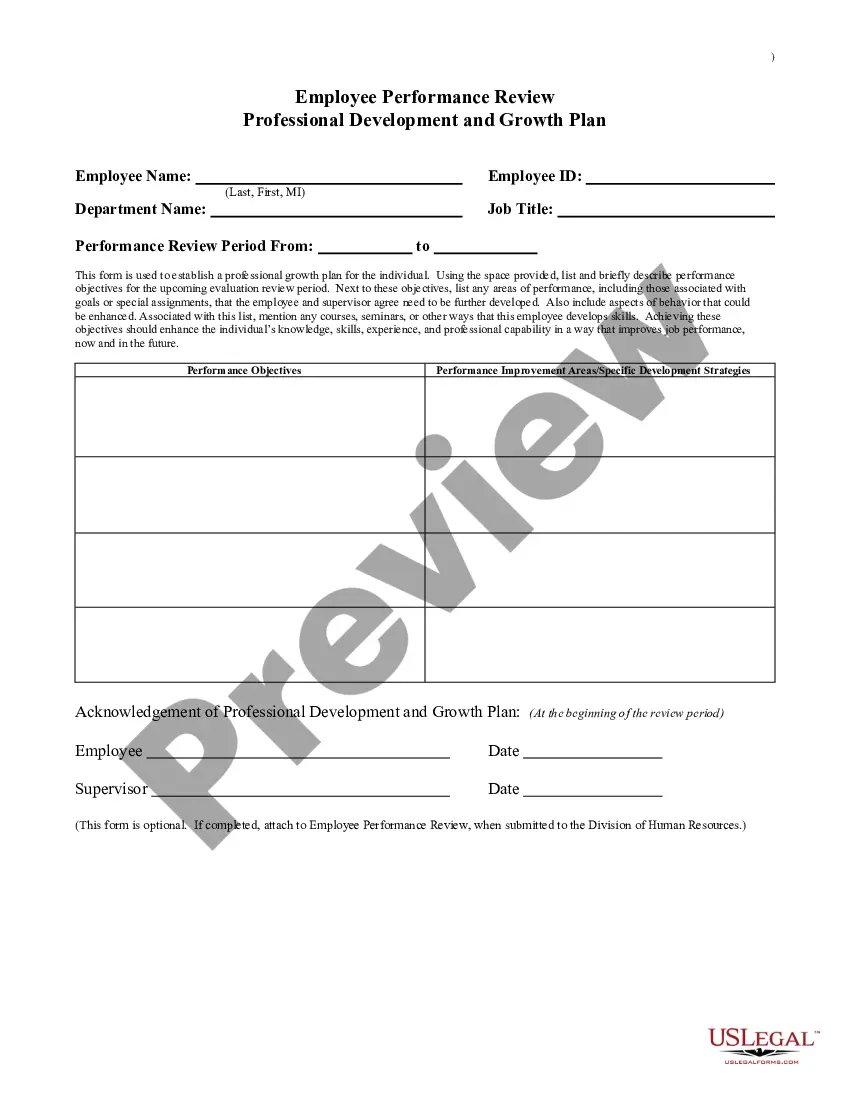


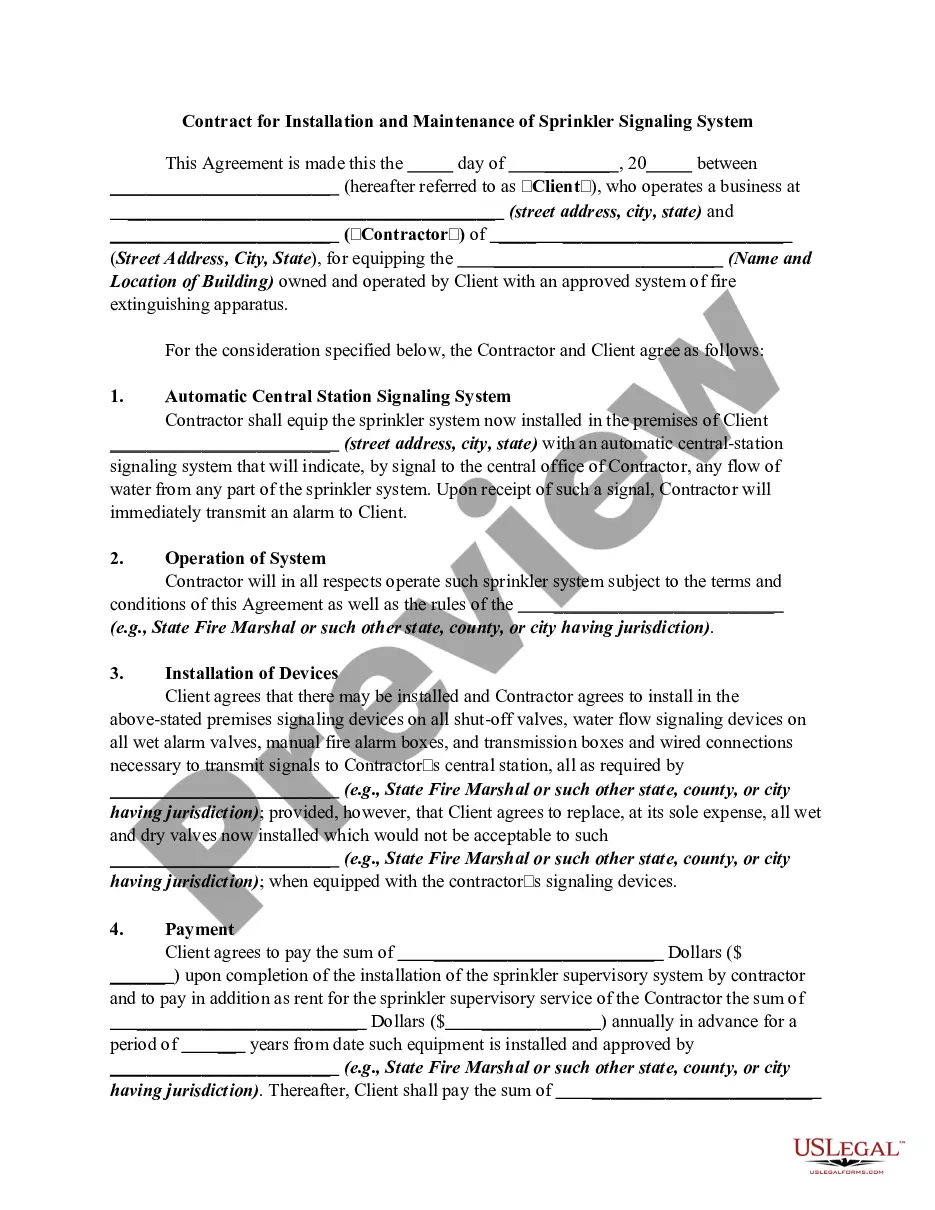

Form popularity
FAQ
Trustee Act 1949 (revised 1978) The Trustee Act is the main legislation governing the administration of trusts in Malaysia. It outlines the duties, powers, and responsibilities of trustees and provides guidelines for trust management.
This Deed of Trust (the “Trust Deed”) sets out the terms and conditions upon which: Settlor Name (the “Settlor”), of Settlor Address, settles that property set out in Schedule A (the “Property”) upon Trustee Name (the “Trustee”), being a Company duly registered under the laws of state with registered number ...
A trust deed in Malaysia is a legal document where the settlor entrusts his property or 'trust property' to another, called the 'trustee', to hold and manage ing to his instructions for the benefits of the beneficiaries.
To transfer real property into your Trust, a new deed reflecting the name of the Trust must be executed, notarized and recorded with the County Recorder in the County where the property is located. Care must be taken that the exact legal description in the existing deed appears on the new deed.
It is not unusual for the successor trustee of a trust to also be a beneficiary of the same trust. This is because settlors often name trusted family members or friends to both manage their trust and inherit from it.
The distinction between the two comes in how they are appointed to their tasks. An executor is chosen directly by the decedent by being nominated within the will. On the other hand, administrators are appointed by the court if there is no will and, therefore, no executor.
Probate is just one way to settle an estate when someone dies. And it's not always required. Illinois law allows a different and simplified procedure for handling small estates. A small estate is one with no land and less than $100,000 in total assets.
If the decedent dies without a Will, a Petition for Letters of Administration is filed. In this Petition a close family member or friend asks the court's permission to serve as the Administrator of the estate. The court will generally appoint this person as the estate's Administrator.
These official court documents give the appointed executor or administrator the right to manage the estate's assets and liabilities. Obtaining these letters can take two to three months after initiating probate.
In Illinois, executors who are tasked with administering an estate must begin the process by petitioning the probate court in the county where the decedent resided for a letter of testamentary, or a letter of administration.

