Letter Settlement Estate Sample For Job Application In California
Description


Get your form ready online
Our built-in tools help you complete, sign, share, and store your documents in one place.
Make edits, fill in missing information, and update formatting in US Legal Forms—just like you would in MS Word.
Download a copy, print it, send it by email, or mail it via USPS—whatever works best for your next step.
Sign and collect signatures with our SignNow integration. Send to multiple recipients, set reminders, and more. Go Premium to unlock E-Sign.
If this form requires notarization, complete it online through a secure video call—no need to meet a notary in person or wait for an appointment.
We protect your documents and personal data by following strict security and privacy standards.

Make edits, fill in missing information, and update formatting in US Legal Forms—just like you would in MS Word.

Download a copy, print it, send it by email, or mail it via USPS—whatever works best for your next step.

Sign and collect signatures with our SignNow integration. Send to multiple recipients, set reminders, and more. Go Premium to unlock E-Sign.

If this form requires notarization, complete it online through a secure video call—no need to meet a notary in person or wait for an appointment.

We protect your documents and personal data by following strict security and privacy standards.
Looking for another form?
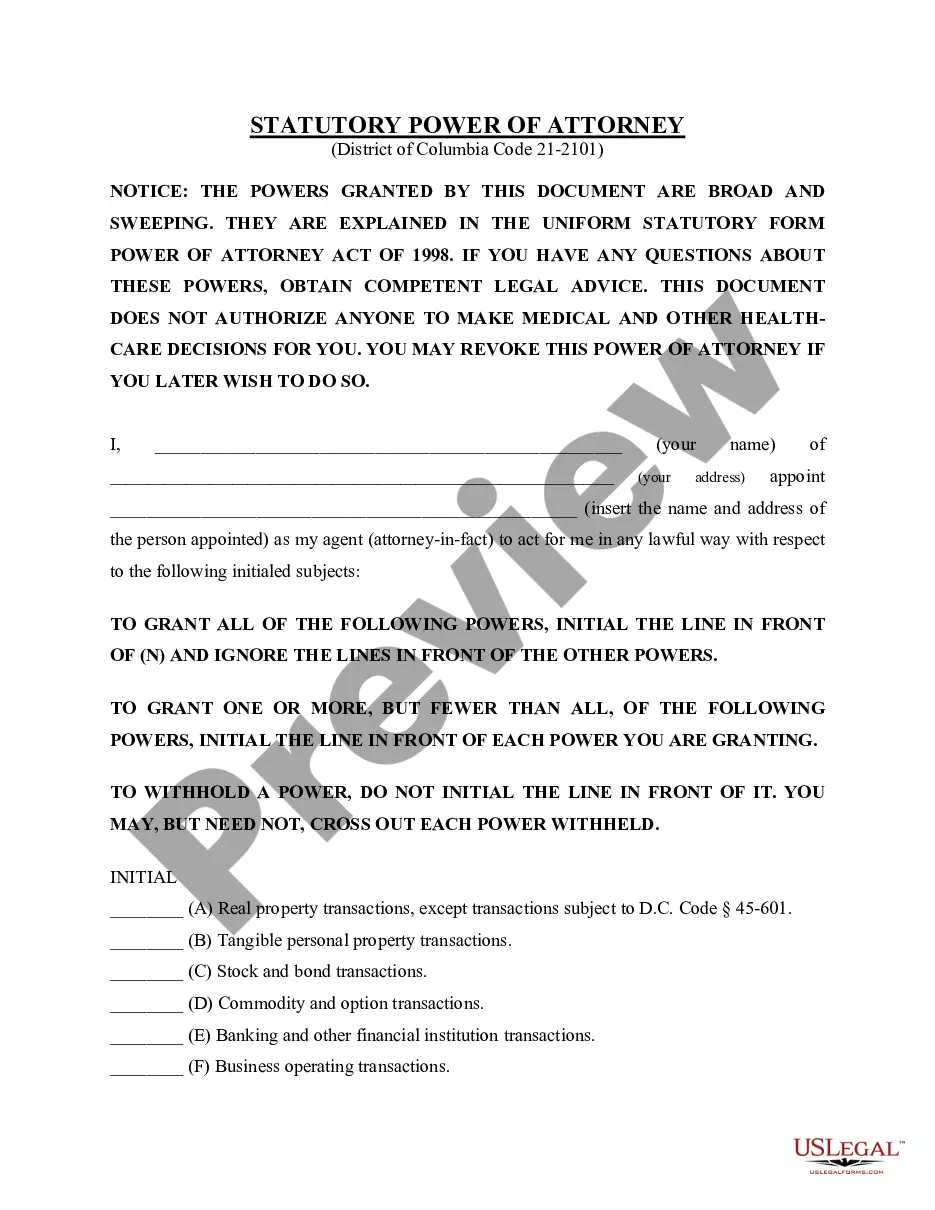
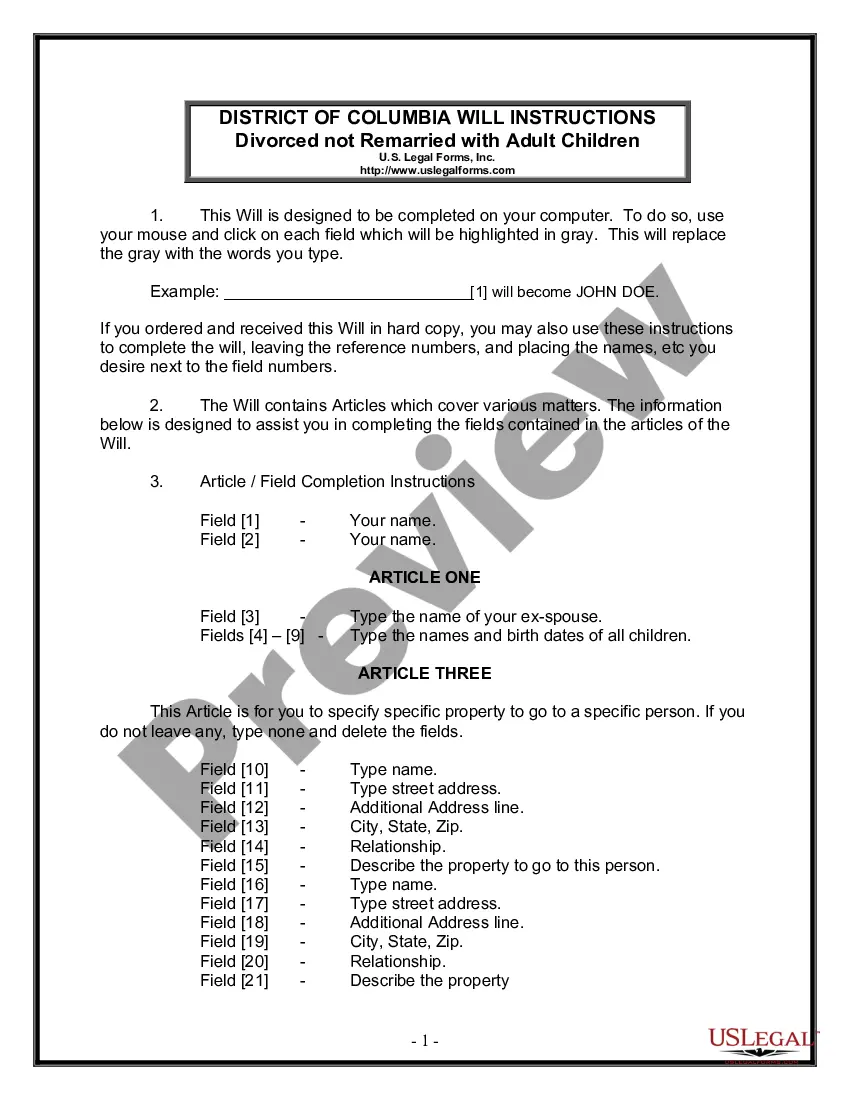
Form popularity
FAQ
The difference is the way in which they have been appointed. An Executor is nominated within the Will of a deceased person. If there is no Will, an Administrator is appointed by a Court to manage or administer a decedent's estate. A New York City estate planning lawyer can help explain their different roles.
Purpose: Letters of Administration are granted by the probate court when a person dies without a valid will (i.e. when the person dies “intestate”).
Your settlement letter should begin with a heading that clearly identifies it as a settlement proposal. Be sure to include your contact information, such as your name, address and phone number so that the recipient can get in touch with you if necessary.
You must obtain the form used by the probate court in the county where the deceased was a resident. You can obtain it in person or by accessing your court's self-help center online and downloading the form there. Follow the instructions on the form to complete it.
During the initial probate proceeding, after the court has determined that there is no will, it will appoint an administrator for the estate. The person who serves in this role will have many duties, including: Preserving the decedent's assets. Satisfying all valid creditor claims.
Letters of Administration is the form that the Judge signs confirming that he has given that person legal authority to represent the estate. Sometimes the bank will require this form before releasing funds.
It is here that it is determined if probate is required. If the total of all assets of the estate is below $166,250 or if there aren't any assets that require a complex transfer, the estate may not require a probate in California.
All of the property legally owned by the deceased person is called the person's “estate.” If you need to go to court, this is commonly called "going through probate." A person's estate may need to go through probate even if they had a will.
Legally, you are not required to have the Affidavit notarized. But many institutions will ask you to do so, so it may be a good idea to notarize it before you try to use it to transfer the property. If there are other people entitled to inherit the property, they must also sign the Affidavit.

