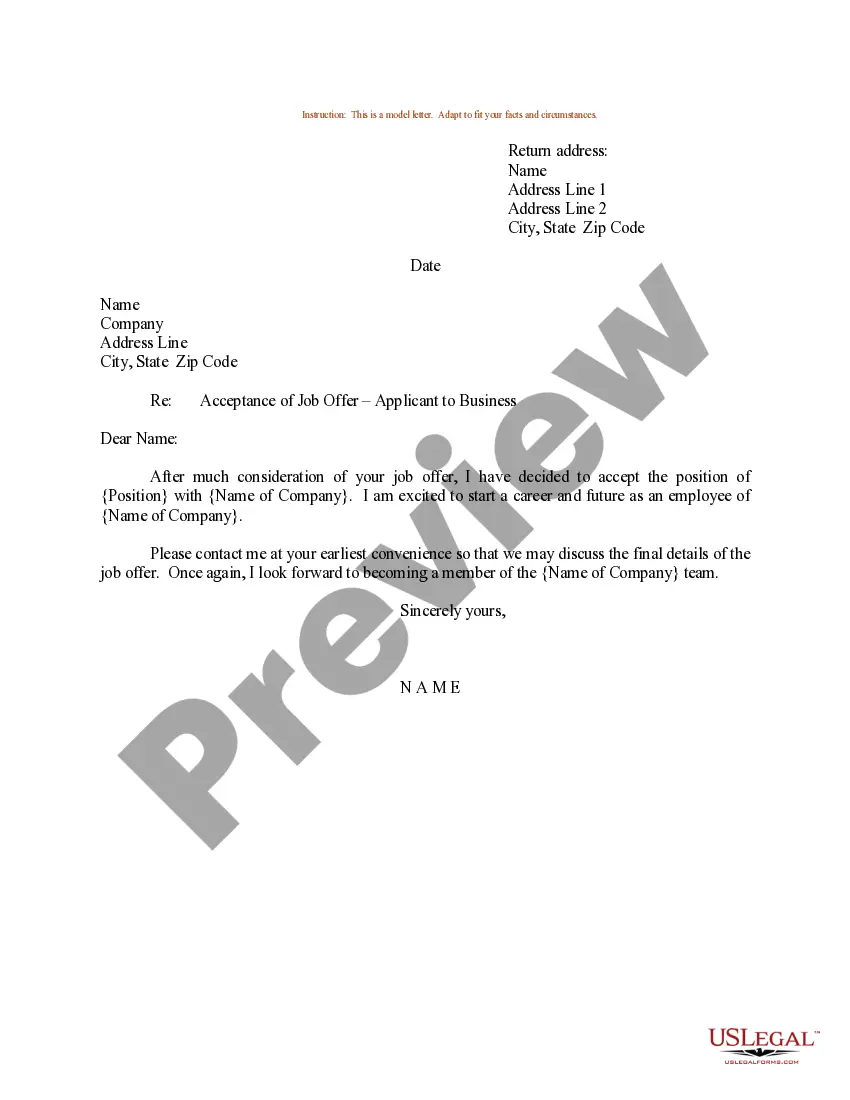
Sample Statement Of Claim For Arbitration In Bronx
Description


Get your form ready online
Our built-in tools help you complete, sign, share, and store your documents in one place.
Make edits, fill in missing information, and update formatting in US Legal Forms—just like you would in MS Word.
Download a copy, print it, send it by email, or mail it via USPS—whatever works best for your next step.
Sign and collect signatures with our SignNow integration. Send to multiple recipients, set reminders, and more. Go Premium to unlock E-Sign.
If this form requires notarization, complete it online through a secure video call—no need to meet a notary in person or wait for an appointment.
We protect your documents and personal data by following strict security and privacy standards.

Make edits, fill in missing information, and update formatting in US Legal Forms—just like you would in MS Word.

Download a copy, print it, send it by email, or mail it via USPS—whatever works best for your next step.

Sign and collect signatures with our SignNow integration. Send to multiple recipients, set reminders, and more. Go Premium to unlock E-Sign.

If this form requires notarization, complete it online through a secure video call—no need to meet a notary in person or wait for an appointment.

We protect your documents and personal data by following strict security and privacy standards.
Looking for another form?








Form popularity
FAQ
The form cannot be filed electronically.
However, the actual success rate in small claims cases can vary depending on the jurisdiction and the type of case. For example, plaintiffs are more likely to win in cases involving consumer disputes, such as breach of contract or fraud. They are less likely to win in cases involving personal injury or property damage.
Be clear and concise when presenting your case; don't go off on tangents, don't insult the other party, don't bring up information or events that aren't directly related to the matter at hand. Rehearse presenting your case before you get into court. Listen to everything the judge says and answer clearly.
You may be able to respond to your summons by submitting your defense online or by mail. Please visit the Hearing Online page and the Hearing by Mail pages to learn if your summons is eligible. If so, OATH must receive your written defense submission prior to the scheduled hearing date.
The written response must be made within 20 days of personal service, or within 30 days of the time when service by any other means is complete. If the defendant fails to respond he or she is in default and plaintiff may be able to obtain a default judgment against the defendant.
To begin an action in Small Claims Court, a person, or someone acting on his or her behalf, must come to the Small Claims Court Clerk's office in the proper county and fill out a statement of claim. To find out where the clerk's office is located in your county, click on Locations.
Small claims basics Generally, you can only sue for up to $12,500 in small claims court (or up to $6,250 if you're a business). You can ask a lawyer for advice before you go to court, but you can't have one with you in court. Starting November 1, 2021, you can sue or be sued for COVID-19 rental debt in small claims.
Write in the name and address of the person who filed the Complaint against you, or the name and address of their attorney. You can find this on the Summons that you received. At the end, add your address and phone number and sign the answer.
An Answer must be in writing and the entire caption, including the index number and an original signature is required. The Answer can be mailed to the County Clerk's office. If it is an E-Filed case, the Answer needs to be uploaded to the New York State Court Electronic Filing website.