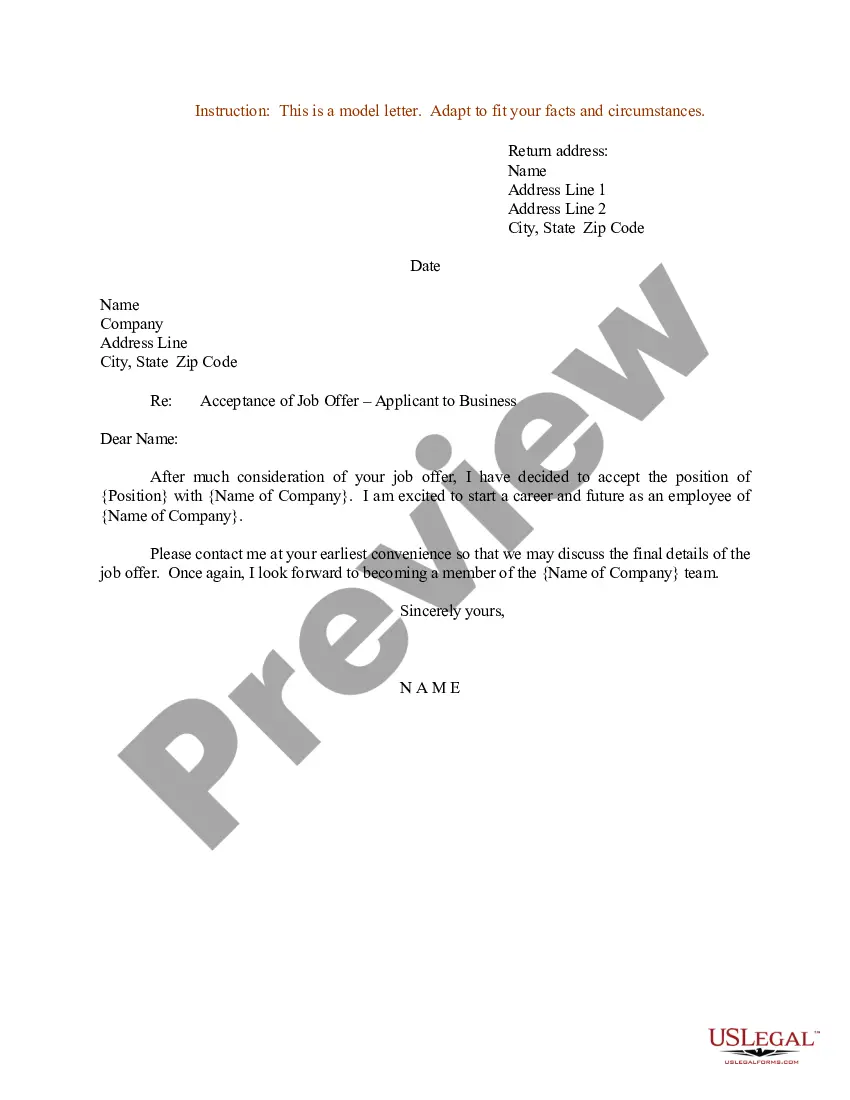
Sample Claim Statement With Case Laws In Arizona
Description


Get your form ready online
Our built-in tools help you complete, sign, share, and store your documents in one place.
Make edits, fill in missing information, and update formatting in US Legal Forms—just like you would in MS Word.
Download a copy, print it, send it by email, or mail it via USPS—whatever works best for your next step.
Sign and collect signatures with our SignNow integration. Send to multiple recipients, set reminders, and more. Go Premium to unlock E-Sign.
If this form requires notarization, complete it online through a secure video call—no need to meet a notary in person or wait for an appointment.
We protect your documents and personal data by following strict security and privacy standards.

Make edits, fill in missing information, and update formatting in US Legal Forms—just like you would in MS Word.

Download a copy, print it, send it by email, or mail it via USPS—whatever works best for your next step.

Sign and collect signatures with our SignNow integration. Send to multiple recipients, set reminders, and more. Go Premium to unlock E-Sign.

If this form requires notarization, complete it online through a secure video call—no need to meet a notary in person or wait for an appointment.

We protect your documents and personal data by following strict security and privacy standards.
Looking for another form?








Form popularity
FAQ
An initial appearance for a person in custody must be held within 24 hours of arrest. One of the most important rights a crime victim has is the right to let the court know—at the Initial Appearance, as well as at sentencing—how the crime has affected them and their family.
The case number is composed of five parts. The first digit is the division where the case was filed (1: Abilene, 2: Amarillo, 3: Dallas, 4: Fort Worth, 5: Lubbock, 6: San Angelo, and 7: Wichita Falls). After the division number and colon is the year the case was filed (e.g., 98, 99).
The first digits in a case number identify the year the case was filed. This is followed by case-type code. 'CV' identifies a civil case, 'CR' identifies a criminal case, and so forth; the case number follows this. An example of this is seen below.
Your ATLAS case number is listed on the court order and on all correspondence that we send to you.
You may not split a claim and file two separate actions. You may file for the "court costs"in addition to the $10,000 maximum. Civil lawsuits in Arizona are governed by the Justice Court Rules of Civil Procedure (PDF).
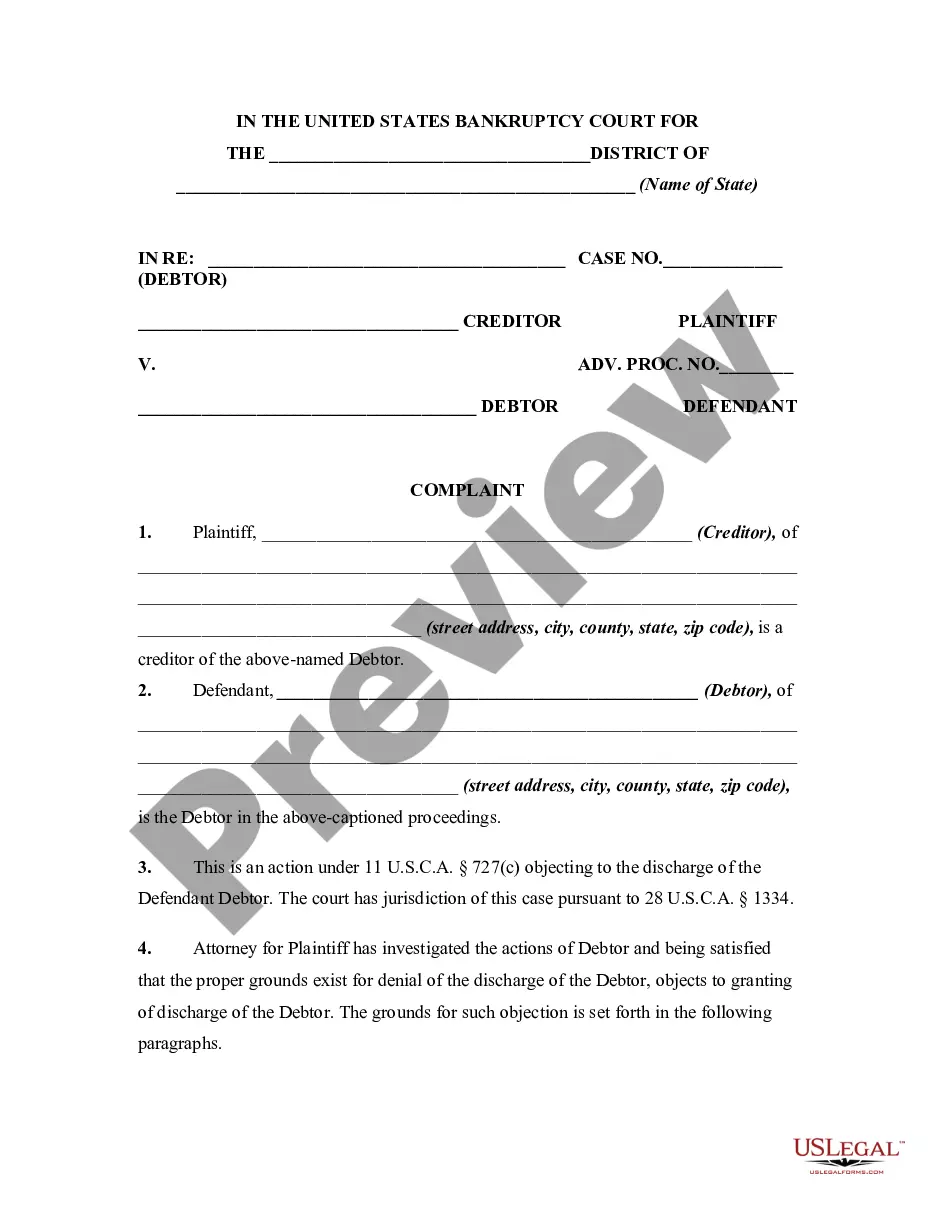
A plaintiff representing herself may obtain and fill out a prepared Complaint form from the Clerk of the Court at the courthouse or online at each county court website or by visiting . The Complaint must be filed with the Clerk of the appropriate court.
The case number typically appears in one of two formats, as shown in the following examples: CV 17-00010-PHX-DJH or cv00010 “CV” is the case type. Case types assigned by the Court include Civil (“cv”), Criminal (“cr”) and Miscellaneous (“mc”). The number 17 represents the year the case was filed.
Parties in a small claims action may be represented by an attorney only if both parties agree to the use of attorneys. Filers of small claims actions do not have the right to appeal or the right to a jury trial.