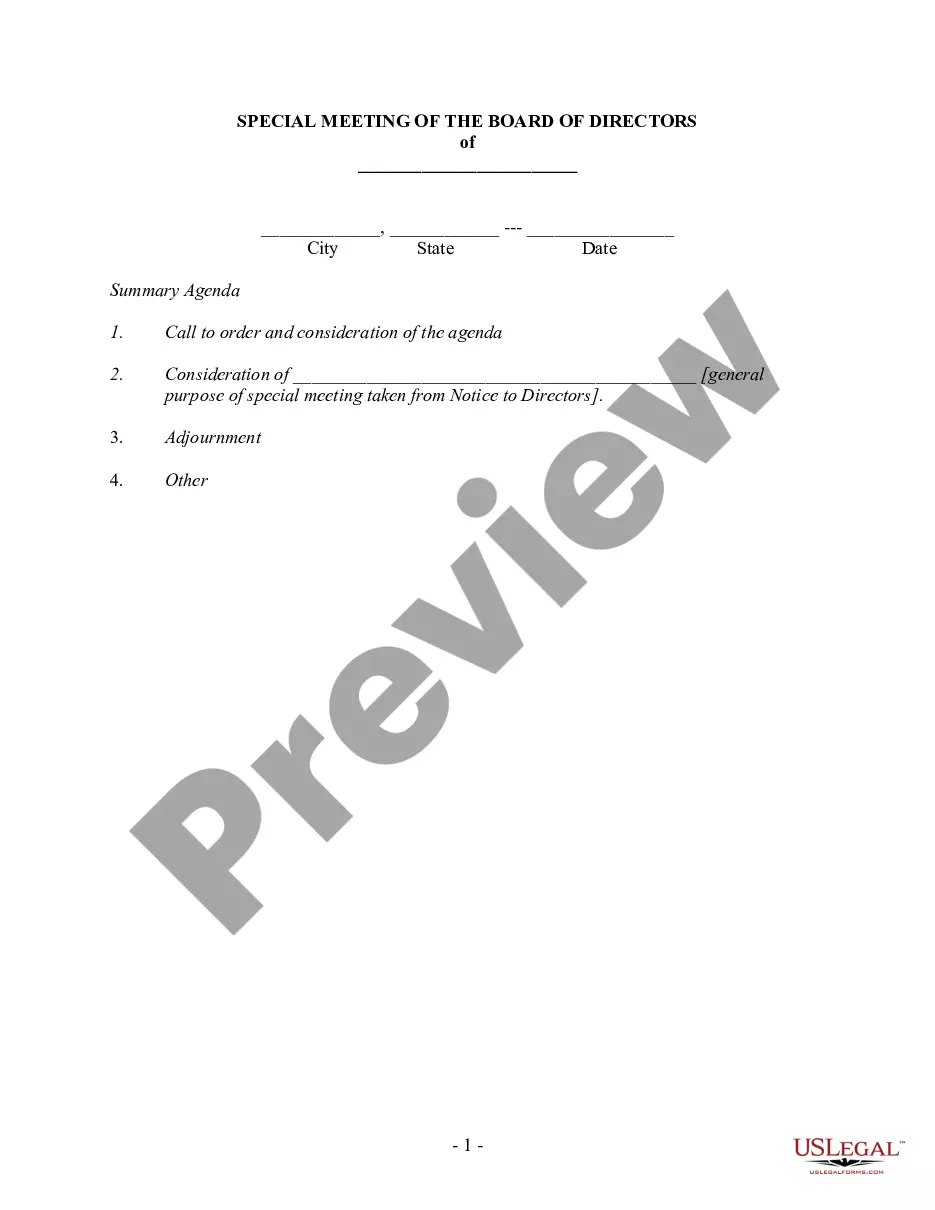
Estate Against Fortune In Allegheny
Description


Get your form ready online
Our built-in tools help you complete, sign, share, and store your documents in one place.
Make edits, fill in missing information, and update formatting in US Legal Forms—just like you would in MS Word.
Download a copy, print it, send it by email, or mail it via USPS—whatever works best for your next step.
Sign and collect signatures with our SignNow integration. Send to multiple recipients, set reminders, and more. Go Premium to unlock E-Sign.
If this form requires notarization, complete it online through a secure video call—no need to meet a notary in person or wait for an appointment.
We protect your documents and personal data by following strict security and privacy standards.

Make edits, fill in missing information, and update formatting in US Legal Forms—just like you would in MS Word.

Download a copy, print it, send it by email, or mail it via USPS—whatever works best for your next step.

Sign and collect signatures with our SignNow integration. Send to multiple recipients, set reminders, and more. Go Premium to unlock E-Sign.

If this form requires notarization, complete it online through a secure video call—no need to meet a notary in person or wait for an appointment.

We protect your documents and personal data by following strict security and privacy standards.
Looking for another form?





Form popularity
FAQ
What is Considered a Small Estate in Pennsylvania? In Pennsylvania, you can use a summary probate procedure when estates are worth less than $50,000 (not including funeral costs, real estate and allowable family payments).
A creditor against an estate files a claim by providing the personal representative of the estate with written notice. This can be done by submitting a completed Notice of Claim form with the court register. The filing of a claim preserves the creditor's right to collect from the estate.
The threshold for an estate value for probate can range between £5,000 and £50,000 depending on the policies of the financial organisation or bank.
In Pennsylvania, an estate needs to go through probate if it's worth more than $50,000. This includes assets like real estate, bank accounts, investments, and personal property. Exceptions exist, though.
Settling an uncontested estate takes anywhere from 9 months to 18 months. However, property can often be transferred before the probate process is fully complete.
The executor of the estate should endorse an estate check in the same way you would any check, by signing on the signature line. You can sign your name and write "Administrator of the Estate of the deceased's name." Alternatively, you can endorse it with the full legal name of the estate.
Some other assets that may be able to skip probate include certain types of real estate, annuities, transferable securities, and employee benefits such as pensions and stock options. An estate administration attorney can determine which are non-probate assets.
Real estate owned jointly with rights of survivorship, such as a marital home, can avoid probate in Pennsylvania. When one owner dies, the property automatically transfers to the surviving owners. Similarly, properties held in a living trust also avoid probate.
Non-Probate Assets Joint bank accounts. Joint brokerage accounts. Real estate held in joint tenancy. Vehicles held in joint ownership.
The process of settling an estate in Pennsylvania involves naming a personal representative, collecting estate assets, filing appropriate forms with the Register of Wills, notifying heirs, providing public notice, paying all debts and taxes, and distributing the remaining assets to heirs named in the will or under the ...