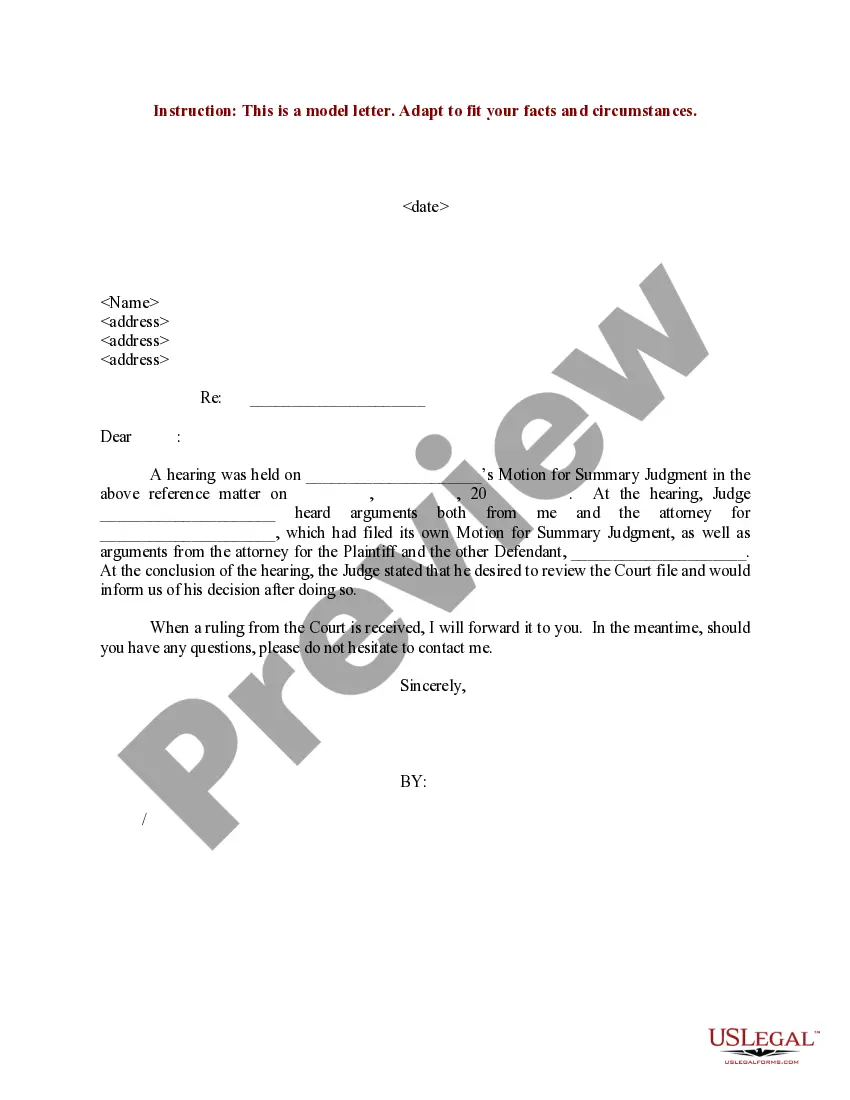
Claim Against Executor Of Estate Without Will In Allegheny
Description


Get your form ready online
Our built-in tools help you complete, sign, share, and store your documents in one place.
Make edits, fill in missing information, and update formatting in US Legal Forms—just like you would in MS Word.
Download a copy, print it, send it by email, or mail it via USPS—whatever works best for your next step.
Sign and collect signatures with our SignNow integration. Send to multiple recipients, set reminders, and more. Go Premium to unlock E-Sign.
If this form requires notarization, complete it online through a secure video call—no need to meet a notary in person or wait for an appointment.
We protect your documents and personal data by following strict security and privacy standards.

Make edits, fill in missing information, and update formatting in US Legal Forms—just like you would in MS Word.

Download a copy, print it, send it by email, or mail it via USPS—whatever works best for your next step.

Sign and collect signatures with our SignNow integration. Send to multiple recipients, set reminders, and more. Go Premium to unlock E-Sign.

If this form requires notarization, complete it online through a secure video call—no need to meet a notary in person or wait for an appointment.

We protect your documents and personal data by following strict security and privacy standards.
Looking for another form?
Form popularity
FAQ
If you would like to become the executor of an estate without a will, here are some basic steps to follow. Determine Priority for Appointment. Usually, the first in line to serve as executor is the surviving spouse or children. Complete a Petition for Administration. Receive Court Appointment and Administer Estate.
In Pennsylvania, an estate needs to go through probate if it's worth more than $50,000. This includes assets like real estate, bank accounts, investments, and personal property. Exceptions exist, though.
In Pennsylvania, there is no set time limit on when you can initiate probate after someone dies, but it is best to get the process started as soon as you can. Waiting can make things more complicated and lead to issues with the estate dragging on for years.
Settling an uncontested estate takes anywhere from 9 months to 18 months. However, property can often be transferred before the probate process is fully complete.
How long will probate take? Settling an uncontested estate takes anywhere from 9 months to 18 months. However, property can often be transferred before the probate process is fully complete.
A creditor against an estate files a claim by providing the personal representative of the estate with written notice. This can be done by submitting a completed Notice of Claim form with the court register. The filing of a claim preserves the creditor's right to collect from the estate.
Understanding the Deceased Estate 3-Year Rule The core premise of the 3-year rule is that if the deceased's estate is not claimed or administered within three years of their death, the state or governing body may step in and take control of the distribution and management of the assets.
In Pennsylvania, it is only necessary to probate if the decedent owned assets, whether financial or real estate holdings, solely in their name which did not already have a beneficiary designated. Such assets are called probate assets, and in order to convey ownership of them it is necessary to probate.
For an intestate estate, a person must formally file a petition for the grant of Letters of Administration. An attorney can assist the individual with the preparation of a petition only after it is determined that he or she is able to serve as the Administrator pursuant to Pennsylvania law.