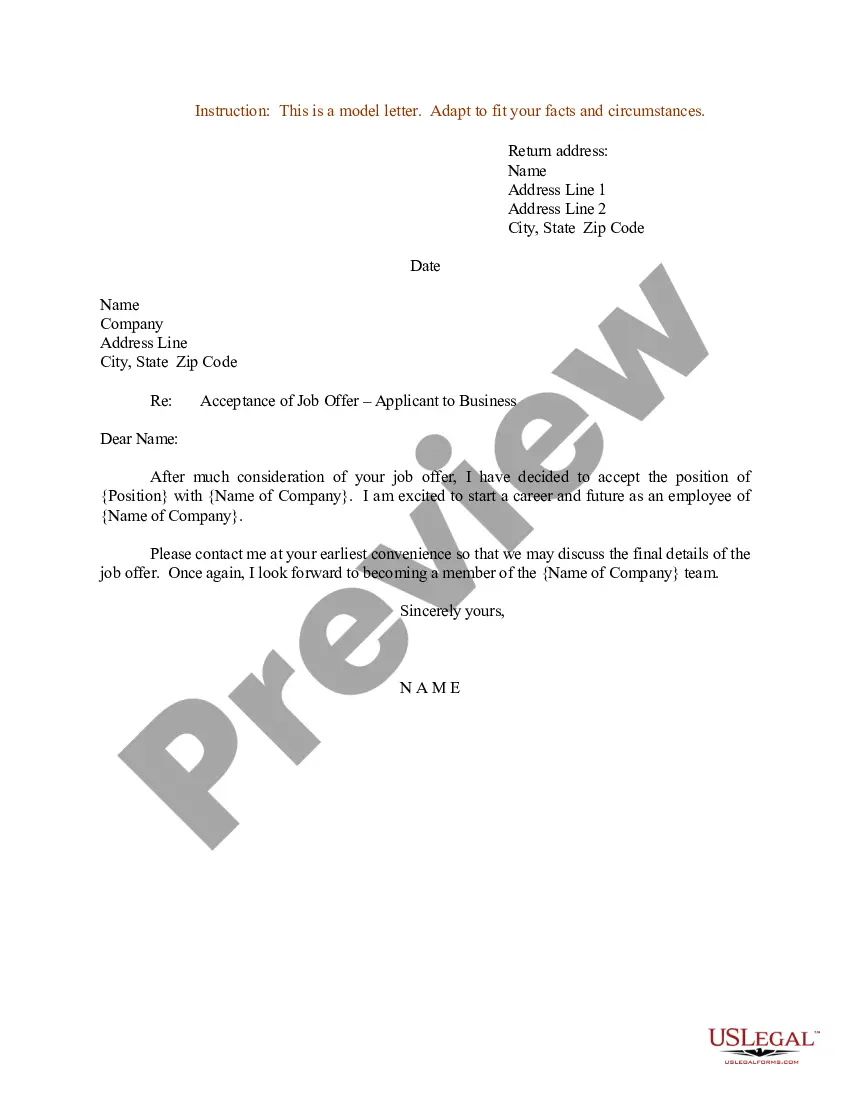
Claim Against Estate File For Maintenance In Allegheny
Description


Get your form ready online
Our built-in tools help you complete, sign, share, and store your documents in one place.
Make edits, fill in missing information, and update formatting in US Legal Forms—just like you would in MS Word.
Download a copy, print it, send it by email, or mail it via USPS—whatever works best for your next step.
Sign and collect signatures with our SignNow integration. Send to multiple recipients, set reminders, and more. Go Premium to unlock E-Sign.
If this form requires notarization, complete it online through a secure video call—no need to meet a notary in person or wait for an appointment.
We protect your documents and personal data by following strict security and privacy standards.

Make edits, fill in missing information, and update formatting in US Legal Forms—just like you would in MS Word.

Download a copy, print it, send it by email, or mail it via USPS—whatever works best for your next step.

Sign and collect signatures with our SignNow integration. Send to multiple recipients, set reminders, and more. Go Premium to unlock E-Sign.

If this form requires notarization, complete it online through a secure video call—no need to meet a notary in person or wait for an appointment.

We protect your documents and personal data by following strict security and privacy standards.
Looking for another form?







Form popularity
FAQ
A creditor against an estate files a claim by providing the personal representative of the estate with written notice. This can be done by submitting a completed Notice of Claim form with the court register. The filing of a claim preserves the creditor's right to collect from the estate.
An attorney can help you sue their estate for your damages. It is not possible to literally file a lawsuit against someone who has passed away. Instead, your lawyer can help you sue the estate of the person you believe is responsible for your injuries and damages.
--No claimant shall have any claim against real property conveyed by a personal representative in distribution at his own risk pursuant to subsection (a) hereof, unless such claimant, within one year after the decedent's death, files a written notice of his claim with the clerk.
Probate is the legal process for settling a deceased person's estate. In Pennsylvania, there is no set time limit on when you can initiate probate after someone dies, but it is best to get the process started as soon as you can.
See PEF Code §3532(b)(1). No claimant shall have any claim against distributed real property unless such claimant has, within one (1) year after the decedent's death, filed a written notice of claim with the Clerk of Court.
Even after an estate has been distributed, a creditor of any unexpired debt may make a claim against the recipients of any personal property (i.e., not real estate), for up to one year following the first publication of the required notice to creditors. After one year has passed, such claims are barred.
See PEF Code §3532(b)(1). No claimant shall have any claim against distributed real property unless such claimant has, within one (1) year after the decedent's death, filed a written notice of claim with the Clerk of Court.
Although there is no set time limit on how long you have to settle an estate in Pennsylvania, probate and estate lawyers can help you get it done in a timely manner and guide you through the process.
Under 20 PA Cons Stat § 3532, creditors have one year from the date of the first publication of notice to creditors to make any claims. However, creditors can still make potentially valid claims against the estate even after this deadline has expired, until the assets of the estate have been distributed.