Agreement Letter For Utang In Washington
Description
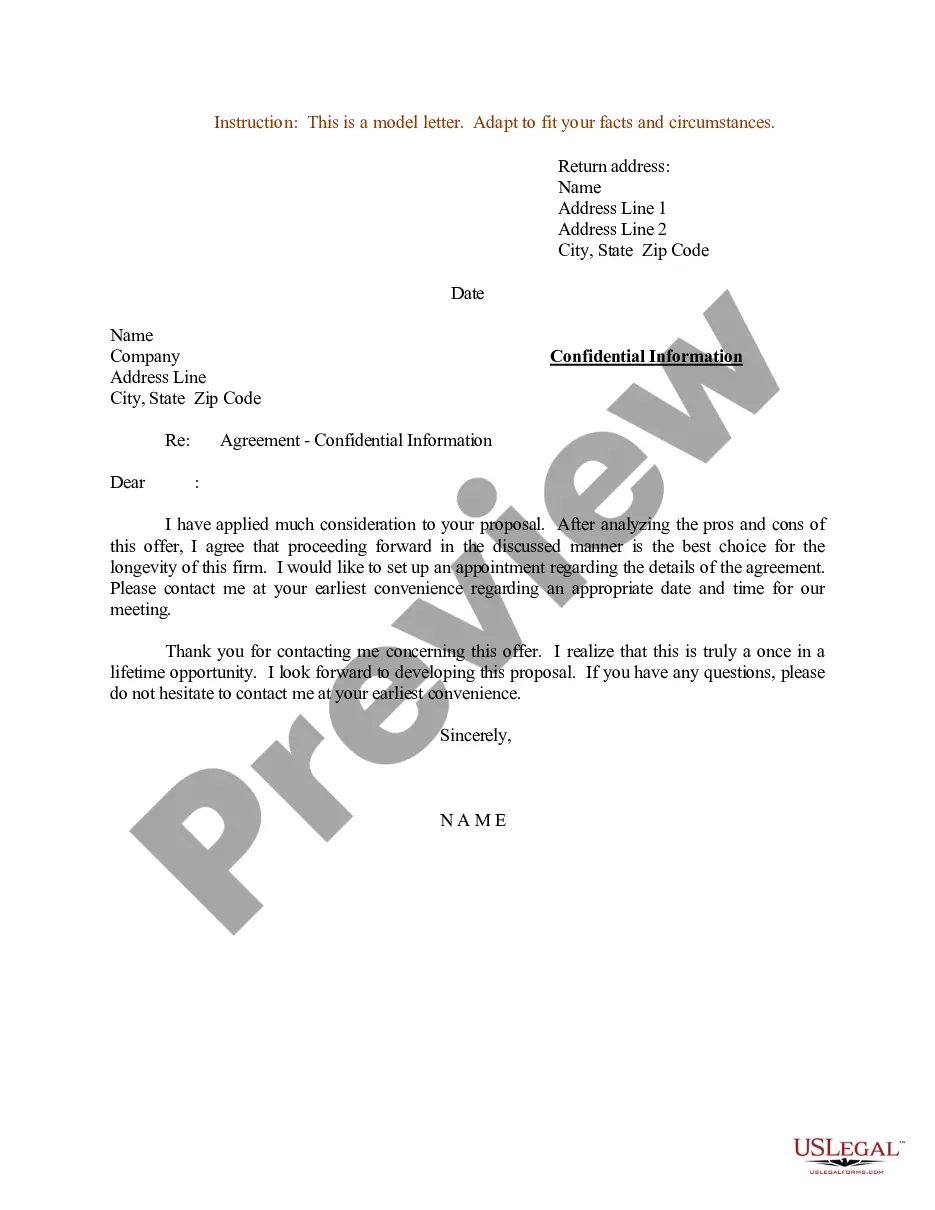

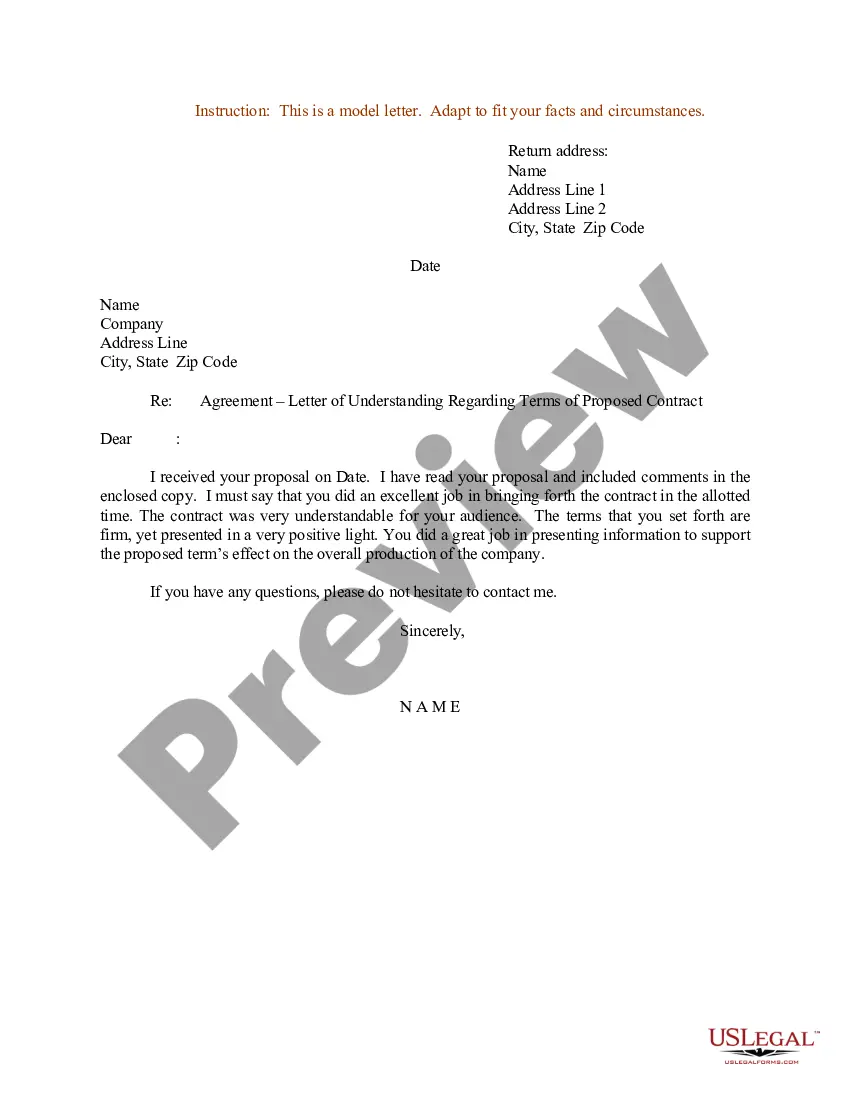
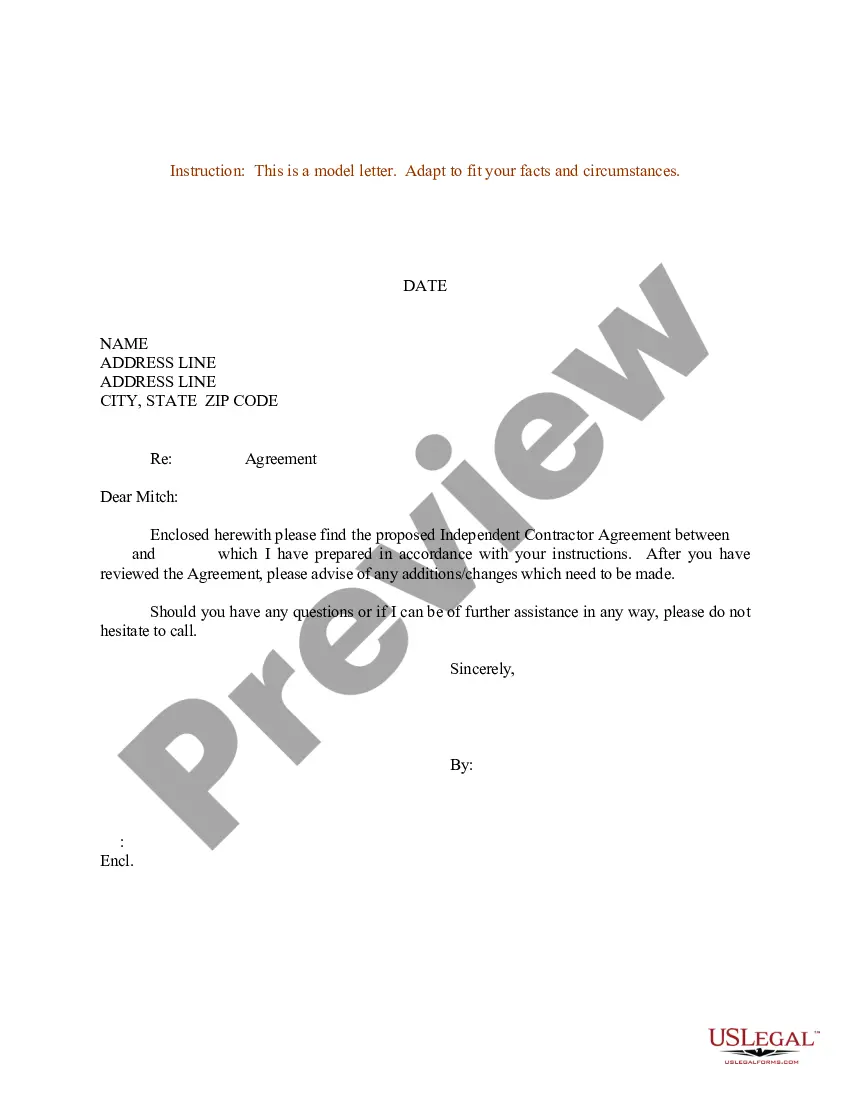
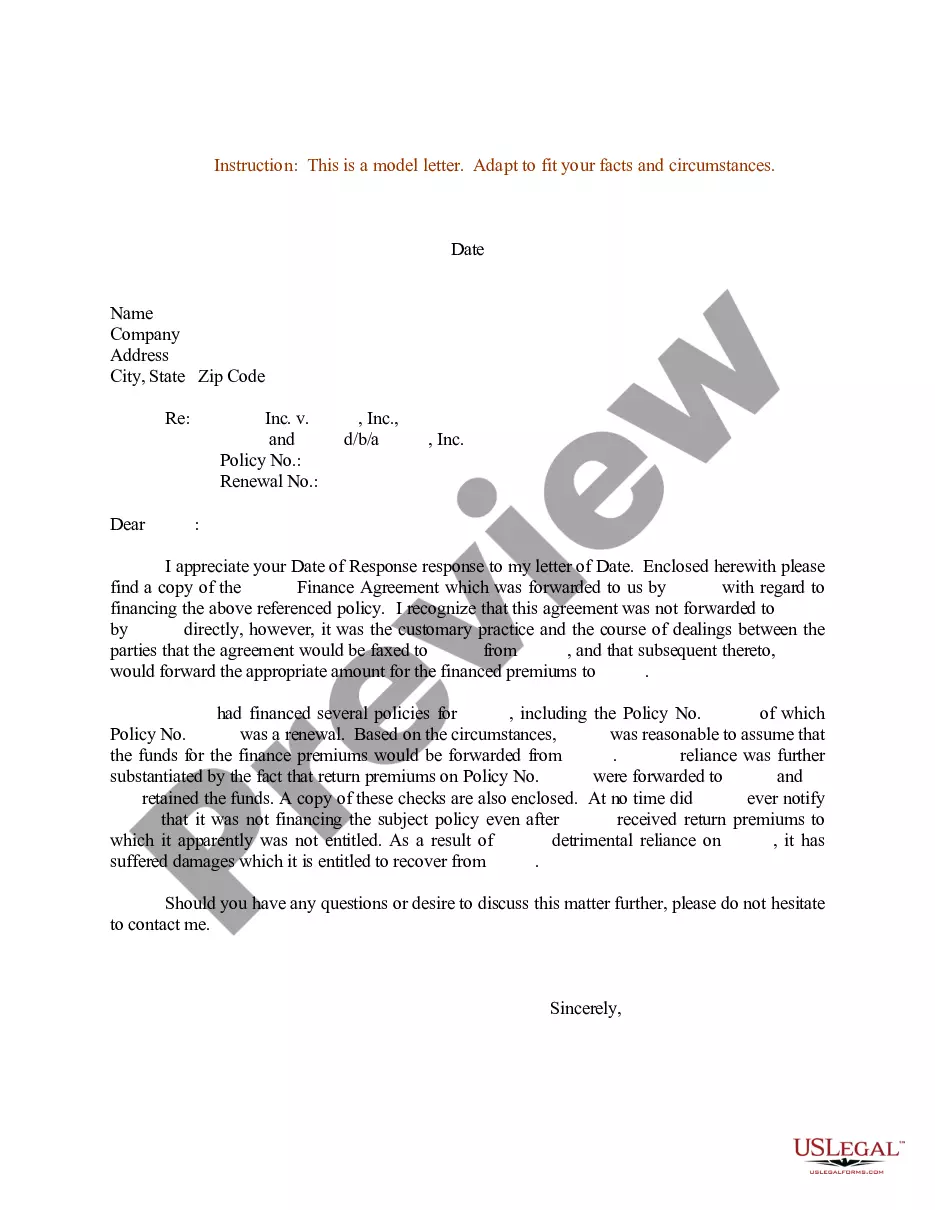
Get your form ready online
Our built-in tools help you complete, sign, share, and store your documents in one place.
Make edits, fill in missing information, and update formatting in US Legal Forms—just like you would in MS Word.
Download a copy, print it, send it by email, or mail it via USPS—whatever works best for your next step.
Sign and collect signatures with our SignNow integration. Send to multiple recipients, set reminders, and more. Go Premium to unlock E-Sign.
If this form requires notarization, complete it online through a secure video call—no need to meet a notary in person or wait for an appointment.
We protect your documents and personal data by following strict security and privacy standards.

Make edits, fill in missing information, and update formatting in US Legal Forms—just like you would in MS Word.

Download a copy, print it, send it by email, or mail it via USPS—whatever works best for your next step.

Sign and collect signatures with our SignNow integration. Send to multiple recipients, set reminders, and more. Go Premium to unlock E-Sign.

If this form requires notarization, complete it online through a secure video call—no need to meet a notary in person or wait for an appointment.

We protect your documents and personal data by following strict security and privacy standards.
Looking for another form?









Form popularity
FAQ
To write a simple contract, title it clearly, identify all parties and specify terms (services or payments). Include an offer, acceptance, consideration, and intent. Add a signature and date for enforceability. Written contracts reduce disputes and offer better legal security than verbal ones.
If someone has established residency, you cannot just kick them out. Law enforcement may allow a person who has established residency to break and enter. You must have a court order to remove people who have established residency. You might be able to get a protection order, if applicable.
How to get a Washington State LLC in 9 steps Name your Washington LLC. Choose your registered agent. Prepare and file a certificate of formation. Obtain a Washington business license. File an initial report. Receive a certificate from the state. Create an operating agreement.
(e) Answer and Reply to Motion. A person with a recognized interest in the subject matter of the motion may submit a written answer to the motion. Unless the court directs otherwise, any answer must be filed and served no later than ten (10) days after the motion is served on the answering party.
Under Washington's civil statute of limitation laws, personal injury claims have a three-year limit for filing, as do fraud, injury to property, and trespassing. Debt collection has a six-year limit. Statutes of limitations aren't suggestions. They are mandatory time limits that the state imposes on most lawsuits.
Either party, after the notice of trial, whether given by either party, may bring the issue to trial, and in the absence of the adverse party, unless the court for good cause otherwise directs, may proceed with the case, and take a dismissal of the action, or a verdict or judgment, as the case may require.
The state of Washington requires all corporations, nonprofits, LLCs, PLLCs, LPs, LLPs, and LLLPs to file a Washington Annual Report. These reports must be filed with the Washington Secretary of State, Corporations & Charities Division each year.
At the outset of settlement negotiations, list all individuals and entities—both for the plaintiff and the defendant—that the agreement will cover. ✔ List all legal issues to be settled. List all claims your adversary may legally release via settlement. Verify the agreement covers these claims.
Treat the following as a set of general guidelines: Gather complete information before you start writing. Describe your injuries and medical treatment. List your medical expenses, lost wages, and non-economic damages. Make a settlement demand. Include a deadline for legal action if you want to, but don't bluff.

