Agreement Letter For Teacher In Travis
Description


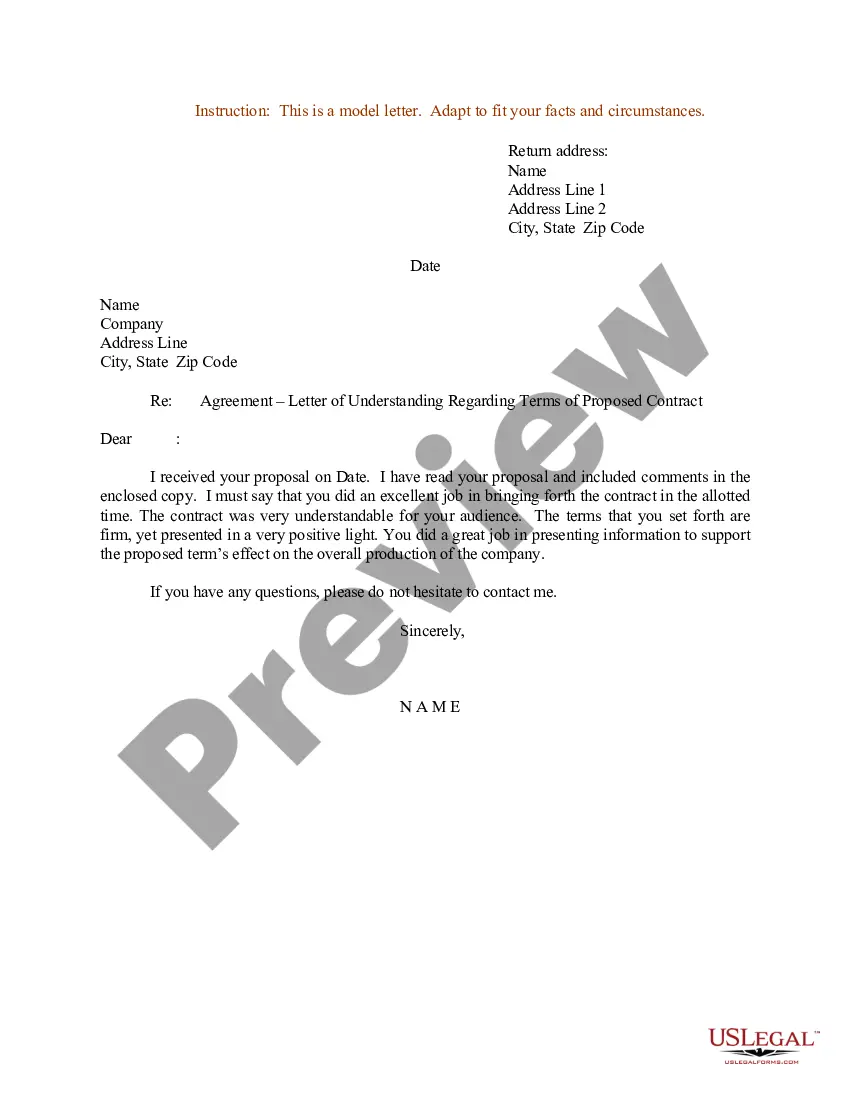
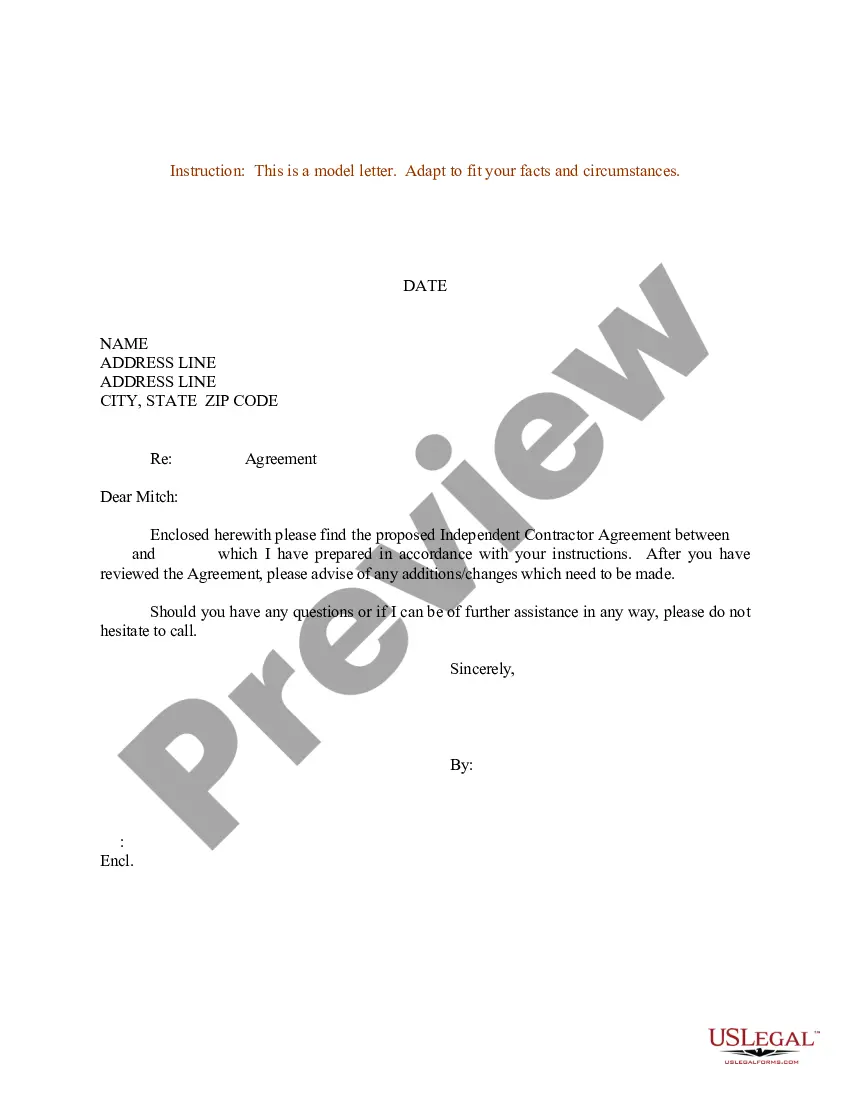
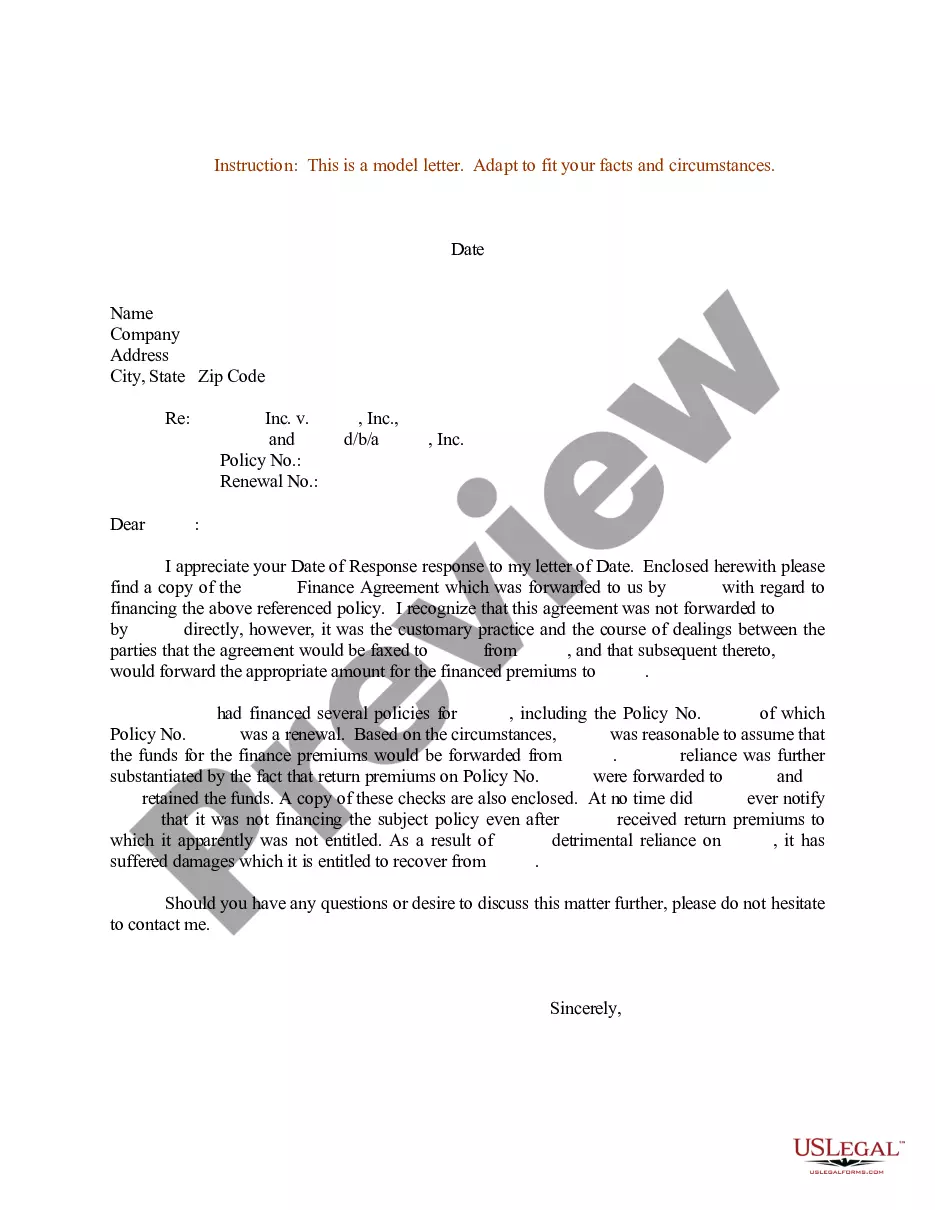
Get your form ready online
Our built-in tools help you complete, sign, share, and store your documents in one place.
Make edits, fill in missing information, and update formatting in US Legal Forms—just like you would in MS Word.
Download a copy, print it, send it by email, or mail it via USPS—whatever works best for your next step.
Sign and collect signatures with our SignNow integration. Send to multiple recipients, set reminders, and more. Go Premium to unlock E-Sign.
If this form requires notarization, complete it online through a secure video call—no need to meet a notary in person or wait for an appointment.
We protect your documents and personal data by following strict security and privacy standards.

Make edits, fill in missing information, and update formatting in US Legal Forms—just like you would in MS Word.

Download a copy, print it, send it by email, or mail it via USPS—whatever works best for your next step.

Sign and collect signatures with our SignNow integration. Send to multiple recipients, set reminders, and more. Go Premium to unlock E-Sign.

If this form requires notarization, complete it online through a secure video call—no need to meet a notary in person or wait for an appointment.

We protect your documents and personal data by following strict security and privacy standards.
Looking for another form?
Form popularity
FAQ
Use a formal closing, and always sign your full name at the end of an email. Formal closings include: “Sincerely,” “Respectfully,” “Thank you,” or “Best wishes,” and using one makes you come across as respectful and professional.
The closing is the way you conclude the letter. If the closing has more than one word, the first word is capitalized, and the other words are lowercase. Some common closings are: 'Yours truly,' 'Sincerely,' 'In appreciation,' 'Many thanks,' and 'With gratitude.
Dear Teacher, Thank you for taking the time to get to know me as an individual with unique abilities, strengths, preferences and interests. You understood my need for encouragement, motivation and support. You helped me learn about myself and showed me I could achieve and be good at something.
Salutation : Start with a polite greeting. Introduction : Introduce yourself if necessary and state the purpose of your letter. Body : Share your thoughts, experiences, or compliments. Compliments : Include specific compliments about your teacher's teaching style, personality, or impact. Conclusion Closing
A few options include: Best regards, Sincerely, Kind regards, Warmest regards, Yours faithfully, Yours truly, With appreciation, All the best, Looking forward to hearing from you, Take care. The key is to tailor the closing to the tone and relationship with the recipient.
- Refer to the instructor by their given name (eg, Mr. Smith, Mrs. Jones). - Commence with a polite opening (eg, Dear Mr. Smith). - Ensure that your message is concise and clear. - Be sure to punctuate and use good grammar. - Finish with a polite statement (eg, Thank you for your time, Sincerely).
Salutation : Start with a polite greeting. Introduction : Introduce yourself if necessary and state the purpose of your letter. Body : Share your thoughts, experiences, or compliments. Compliments : Include specific compliments about your teacher's teaching style, personality, or impact. Conclusion Closing

