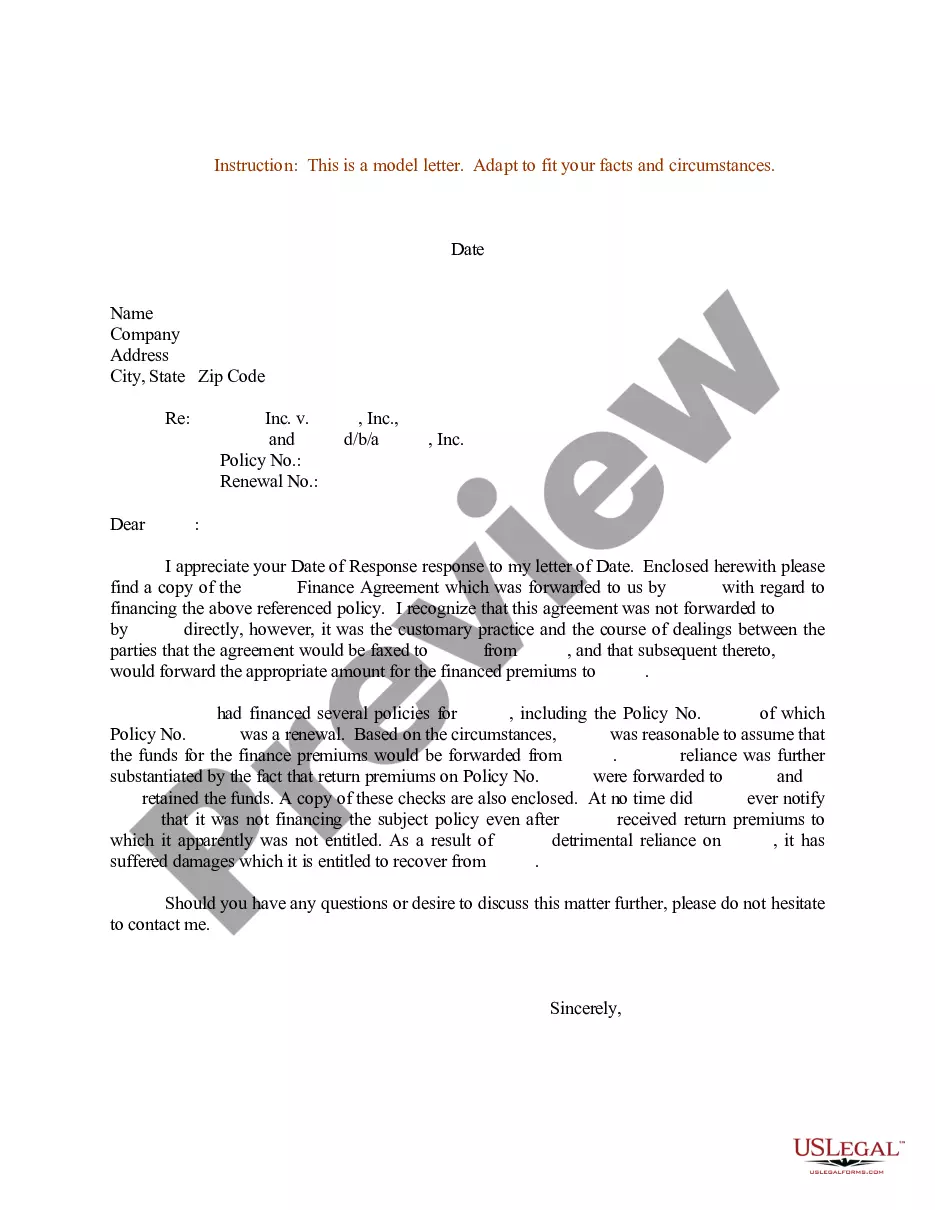
Agreement Letter For Employee In Travis
Description
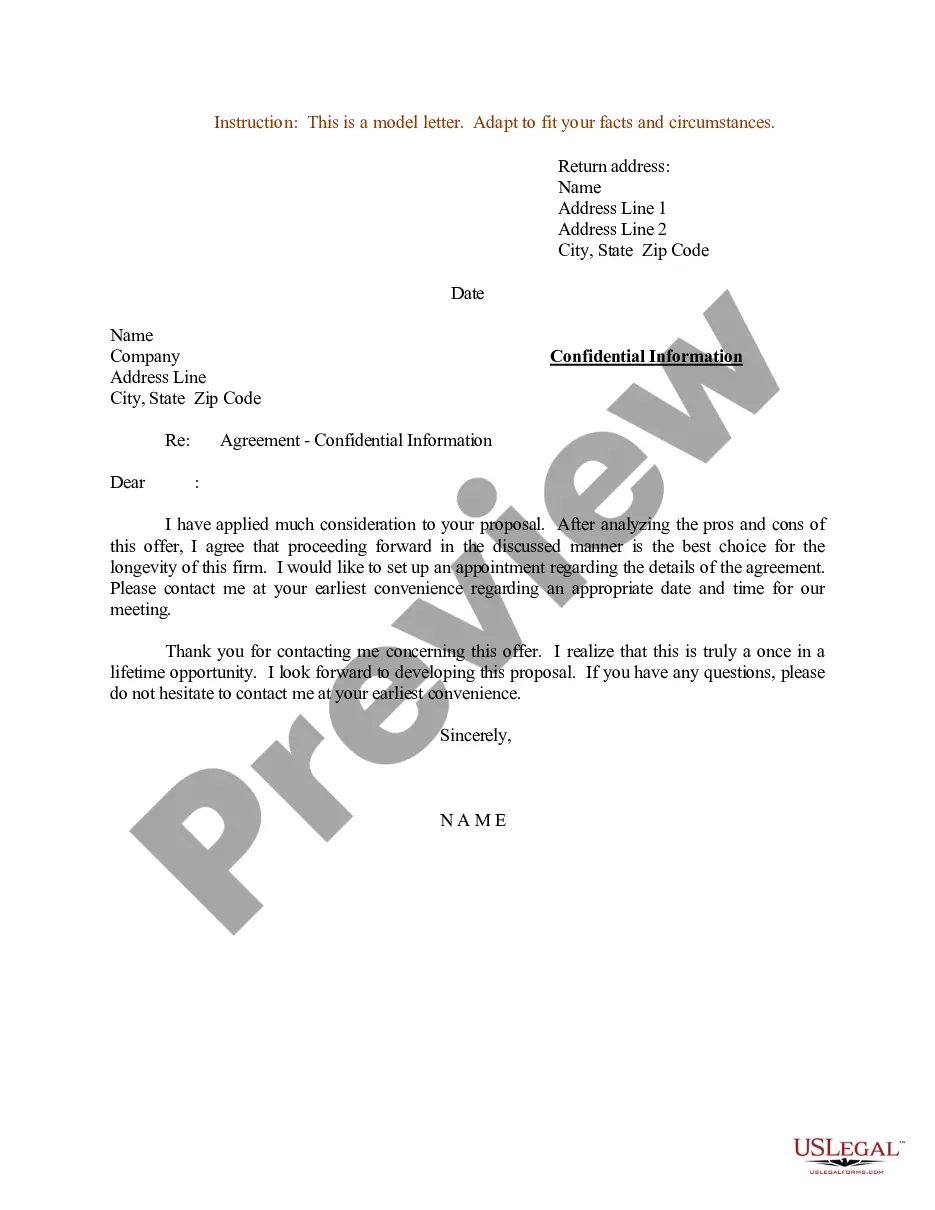
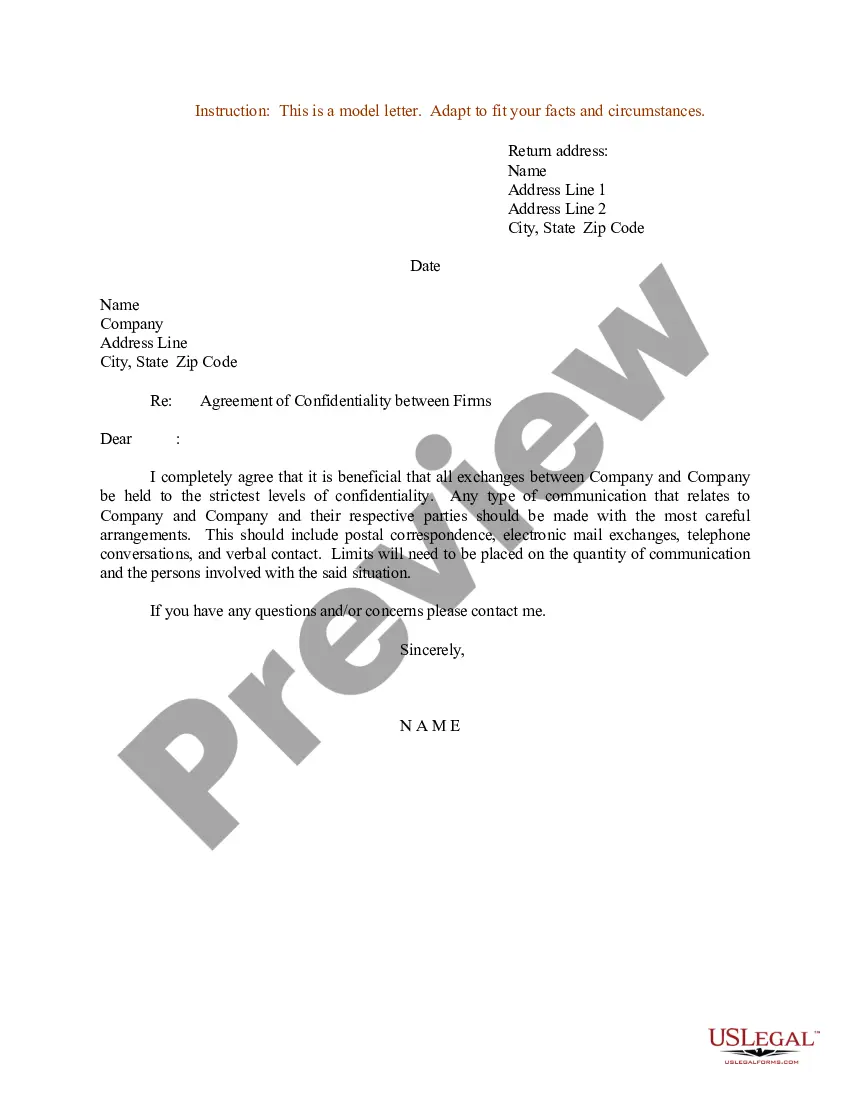
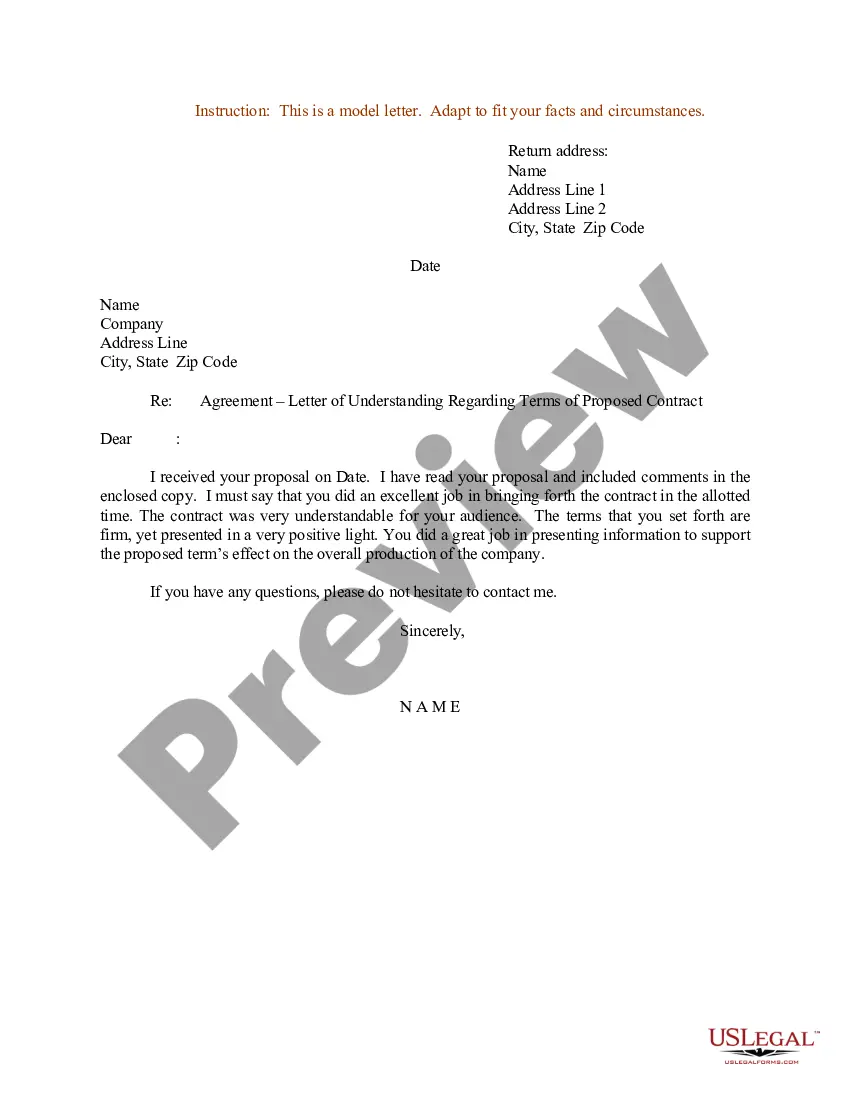
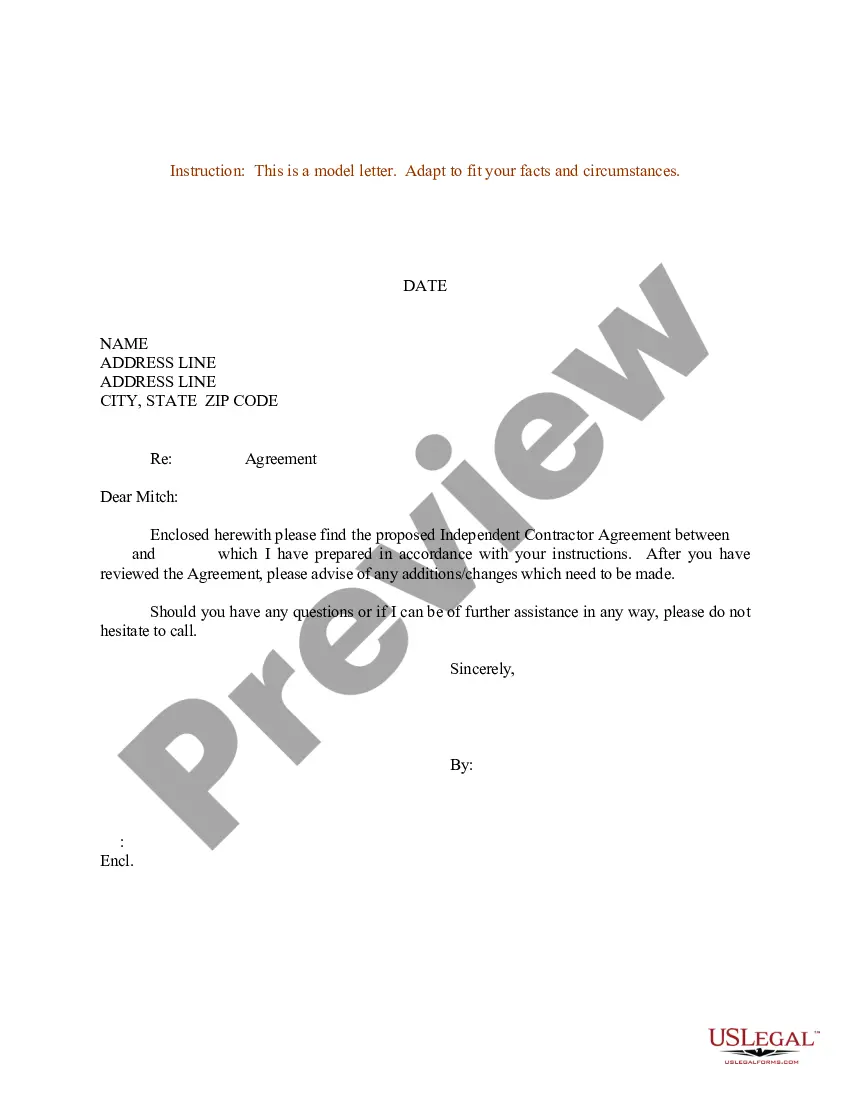
Get your form ready online
Our built-in tools help you complete, sign, share, and store your documents in one place.
Make edits, fill in missing information, and update formatting in US Legal Forms—just like you would in MS Word.
Download a copy, print it, send it by email, or mail it via USPS—whatever works best for your next step.
Sign and collect signatures with our SignNow integration. Send to multiple recipients, set reminders, and more. Go Premium to unlock E-Sign.
If this form requires notarization, complete it online through a secure video call—no need to meet a notary in person or wait for an appointment.
We protect your documents and personal data by following strict security and privacy standards.

Make edits, fill in missing information, and update formatting in US Legal Forms—just like you would in MS Word.

Download a copy, print it, send it by email, or mail it via USPS—whatever works best for your next step.

Sign and collect signatures with our SignNow integration. Send to multiple recipients, set reminders, and more. Go Premium to unlock E-Sign.

If this form requires notarization, complete it online through a secure video call—no need to meet a notary in person or wait for an appointment.

We protect your documents and personal data by following strict security and privacy standards.
Looking for another form?








Form popularity
FAQ
Which is the best contract management software? Juro. Juro's contract management software empowers all teams to create, agree, execute and manage contracts up to 10x faster than traditional tools. CLM. Outlaw. Cobblestone. Conga. Contractworks.
Full-time contracts The most common type of employment contract is full-time. These contracts are generally offered for permanent positions, and usually set out the employee's salary or hourly wage.
What are the most common types of employees? Full-time employees. Part-time employees. Seasonal employees. Temporary employees. Leased employees. Contingent employees. Traditional group health insurance. Health reimbursement arrangements (HRAs)
How to Write a Letter of Agreement Start with Basic Information. Define Employment Terms. Outline Compensation and Benefits. Include Non-Disclosure and Non-Compete Clauses. Address the Probationary Period (if applicable). Set the Code of Conduct and Policies. Explain Termination Conditions. Detail Severance Terms:
The Employee agrees that during the Employment Period, he/she shall devote his/her full business time to the business affairs of the Company and shall perform the duties assigned to him/her faithfully and efficiently, and shall endeavor, to the best of his/her abilities to achieve the goals and adhere to the parameters ...
Guide to writing contracts of employment Names of the parties. The full details of the business, and the employee's full name and address. Employment contract start date. Employee's job title and description. Workplace. Working hours. Probationary period. Salary. Deductions.
Permanent employment contracts, also known as open-ended contracts, are perhaps the most traditional and common type. In this arrangement, there is no fixed end date for the employment relationship, providing employees with a sense of job security.
Elements of a work-for-hire agreement Scope of the project—exactly what is to be done or produced. Due date of the project—negotiated with regard to both parties' schedules. Rights to be sold. Payment terms. Confidentiality terms (if any) Arbitration terms (if any) Severability—getting out of the agreement.
7 steps to a solid statement of work Write the introduction. List the key activities and requirements. Create your project timeline. List required resources. List project deliverables. Highlight dependencies. Define project tracking and communication:

