Agreement Letter For Job In Suffolk
Description
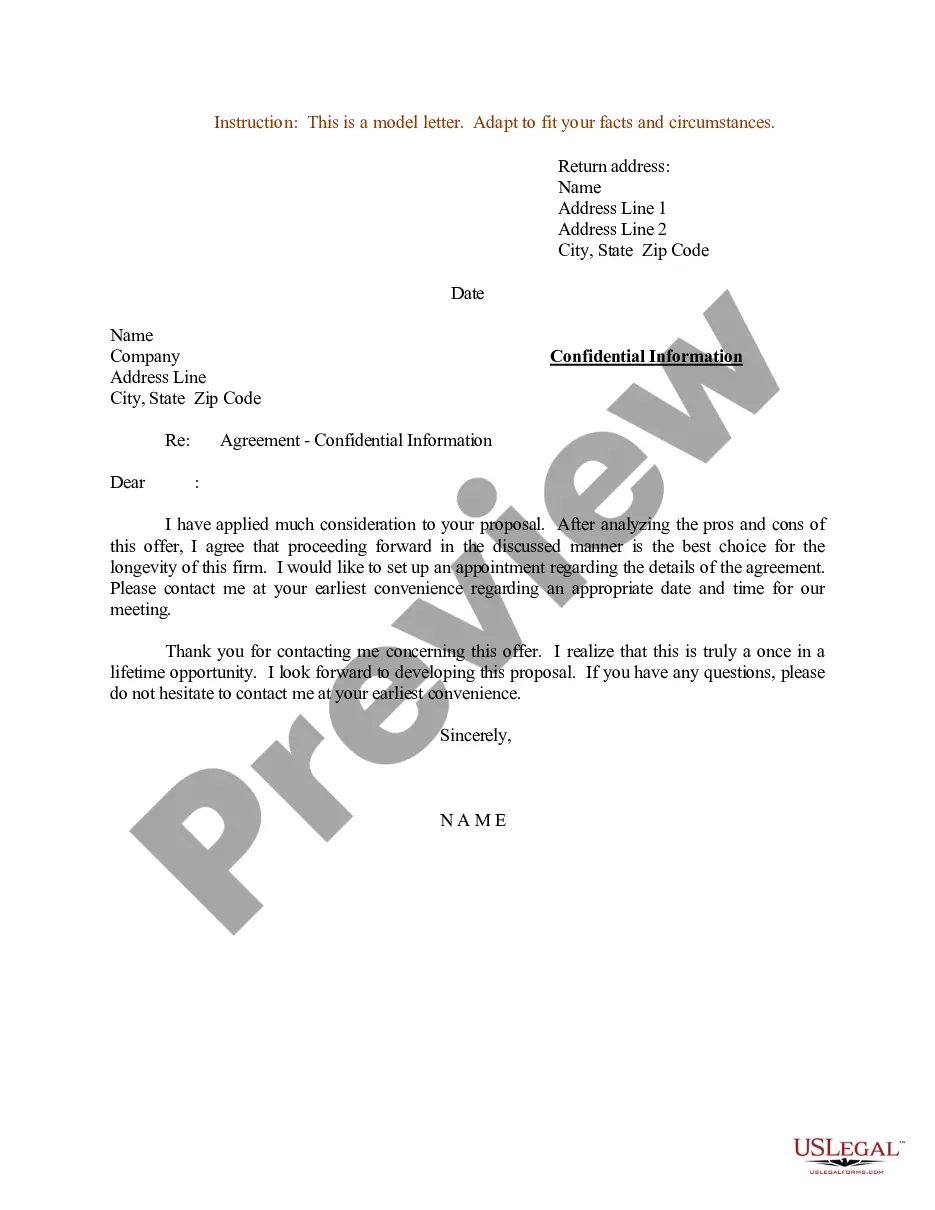

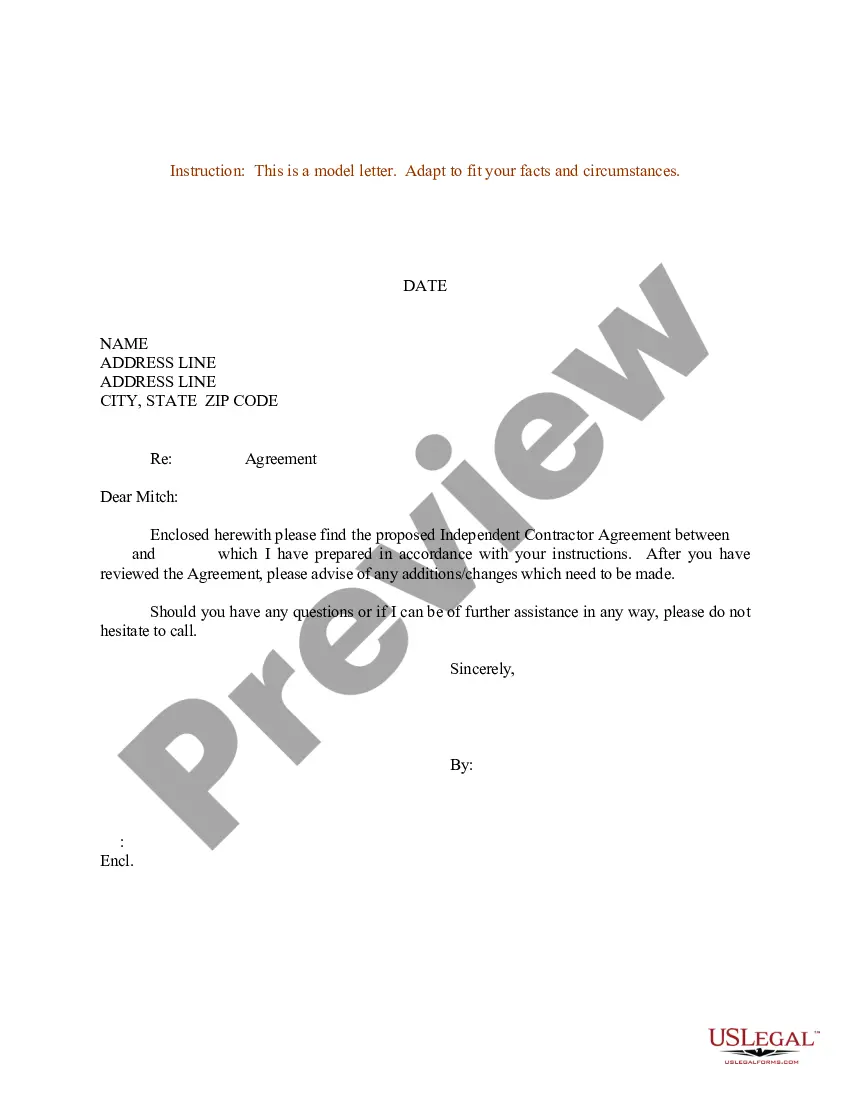
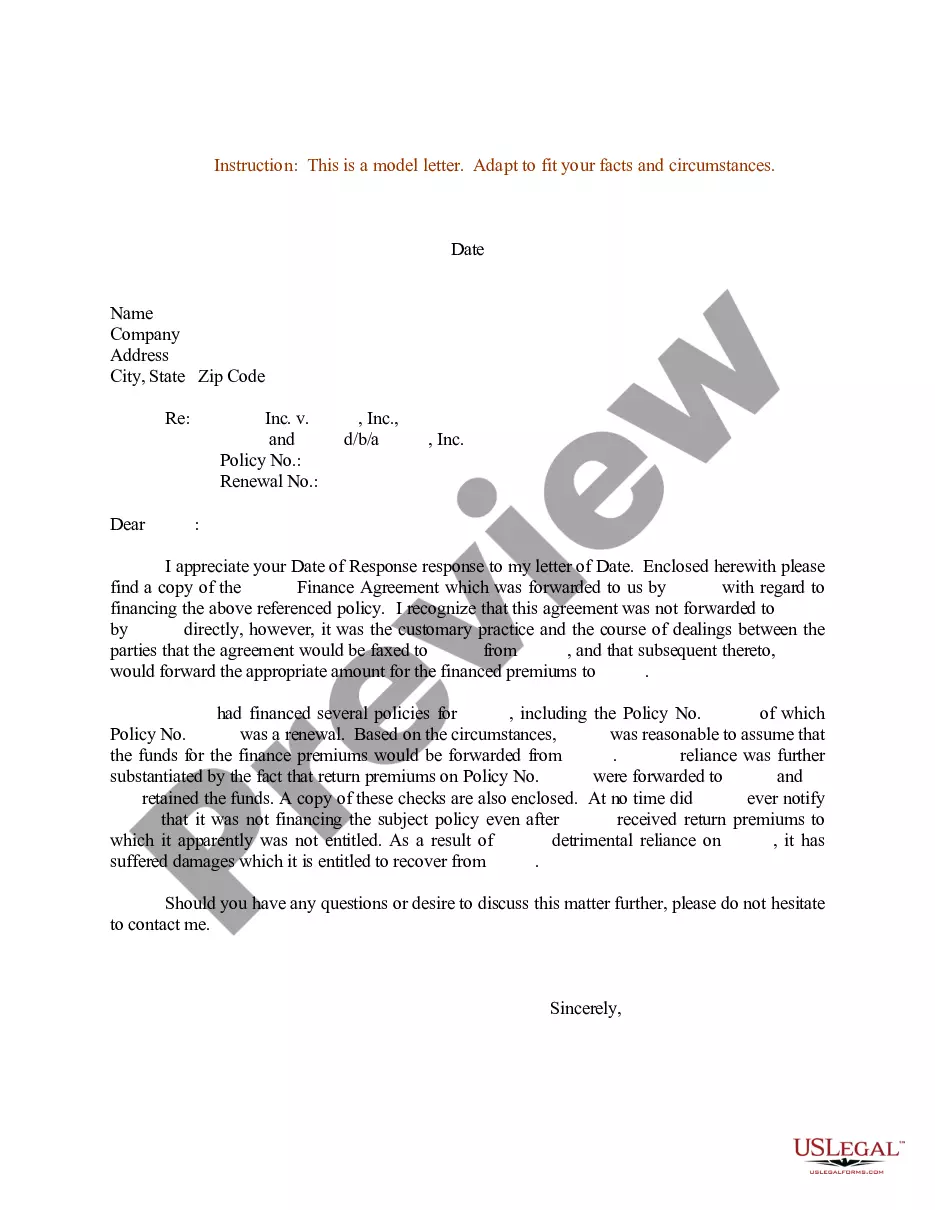
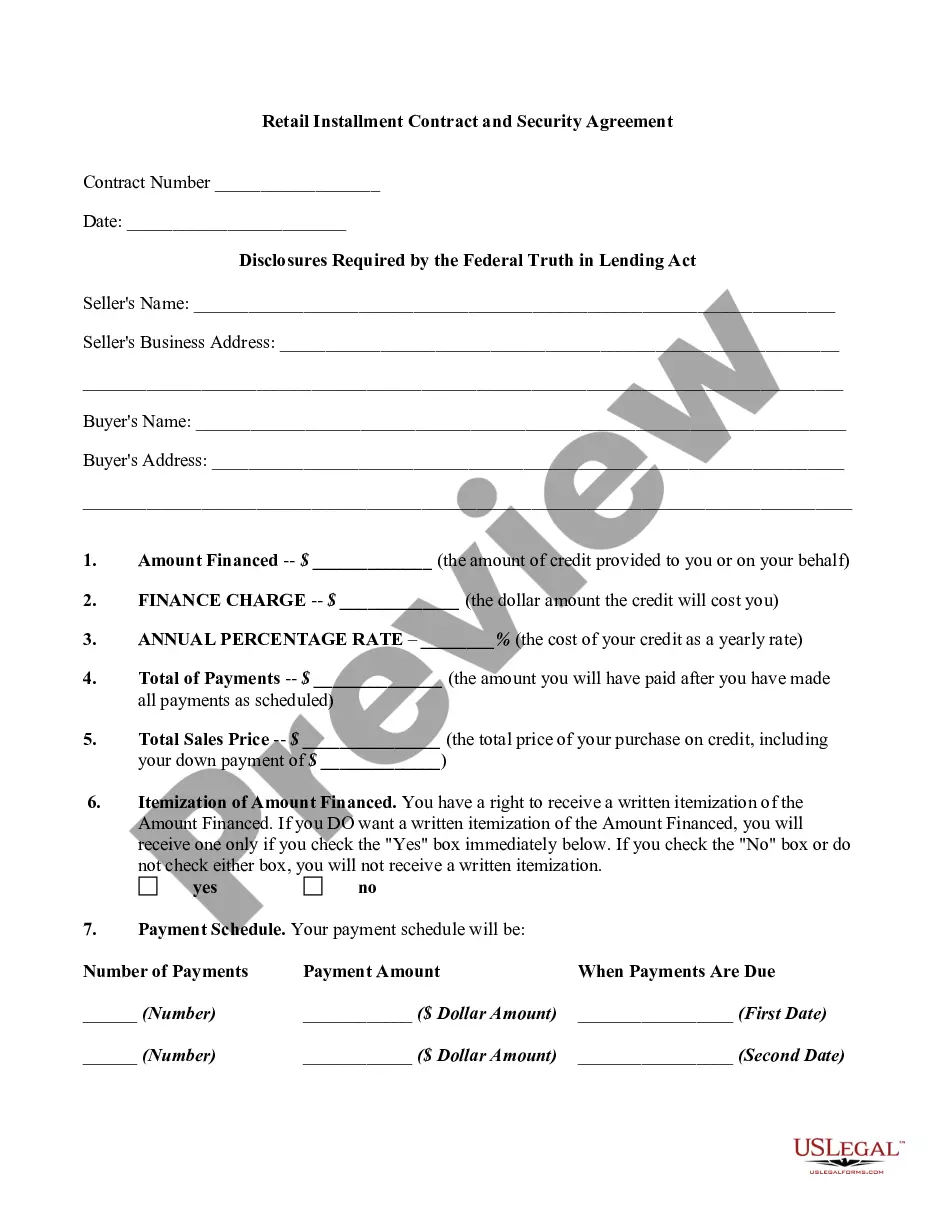
Get your form ready online
Our built-in tools help you complete, sign, share, and store your documents in one place.
Make edits, fill in missing information, and update formatting in US Legal Forms—just like you would in MS Word.
Download a copy, print it, send it by email, or mail it via USPS—whatever works best for your next step.
Sign and collect signatures with our SignNow integration. Send to multiple recipients, set reminders, and more. Go Premium to unlock E-Sign.
If this form requires notarization, complete it online through a secure video call—no need to meet a notary in person or wait for an appointment.
We protect your documents and personal data by following strict security and privacy standards.

Make edits, fill in missing information, and update formatting in US Legal Forms—just like you would in MS Word.

Download a copy, print it, send it by email, or mail it via USPS—whatever works best for your next step.

Sign and collect signatures with our SignNow integration. Send to multiple recipients, set reminders, and more. Go Premium to unlock E-Sign.

If this form requires notarization, complete it online through a secure video call—no need to meet a notary in person or wait for an appointment.

We protect your documents and personal data by following strict security and privacy standards.
Looking for another form?





Form popularity
FAQ
Tips on How to Write a Contract Letter Make the Candidate Feel Valued. Cover the Specifics. Stipulate Important Conditions. Spell Out the At-will Employment Relationship. Don't Forget the Nice-to-Knows. Remember the Signature. Ask a Legal Team to Review.
Handling Contract Term Communications Effectively Start with a Gracious Introduction. Clearly State Your Intentions. Break Down the Key Elements. Encourage Questions and Review. Create a Clear Call to Action. End on a Positive Note.
How to write a contract letter Create an introduction. Detail position information. Discuss compensation and benefits. Describe terms of employment. Add training or probationary information. Highlight additional agreements. Inform about agreement decision. Add signature information.
Your letter should include: The date. Be addressed to the person with whom you're entering the agreement. Basic details of the work to be completed. Any special instructions or stipulations. Information about whether another agreement will come after the letter. A place for both parties to sign.
The rule of three states that an appointing authority may choose to appoint any one of the three highest-scoring candidates who are willing to accept the appointment.
Once someone has accepted an 'unconditional' job offer, they're in a legally binding contract of employment. However, a 'conditional' job offer can be withdrawn if the person does not meet the employer's conditions (for example, satisfactory references and health record).
How to Write a Letter of Agreement Start with Basic Information. Define Employment Terms. Outline Compensation and Benefits. Include Non-Disclosure and Non-Compete Clauses. Address the Probationary Period (if applicable). Set the Code of Conduct and Policies. Explain Termination Conditions. Detail Severance Terms:
Write the contract in six steps Start with a contract template. Open with the basic information. Describe in detail what you have agreed to. Include a description of how the contract will be ended. Write into the contract which laws apply and how disputes will be resolved. Include space for signatures.
7 steps to a solid statement of work Write the introduction. List the key activities and requirements. Create your project timeline. List required resources. List project deliverables. Highlight dependencies. Define project tracking and communication:
Guide to writing contracts of employment Names of the parties. The full details of the business, and the employee's full name and address. Employment contract start date. Employee's job title and description. Workplace. Working hours. Probationary period. Salary. Deductions.

