Letter Of Agreement For Payment Sample In Michigan
Description
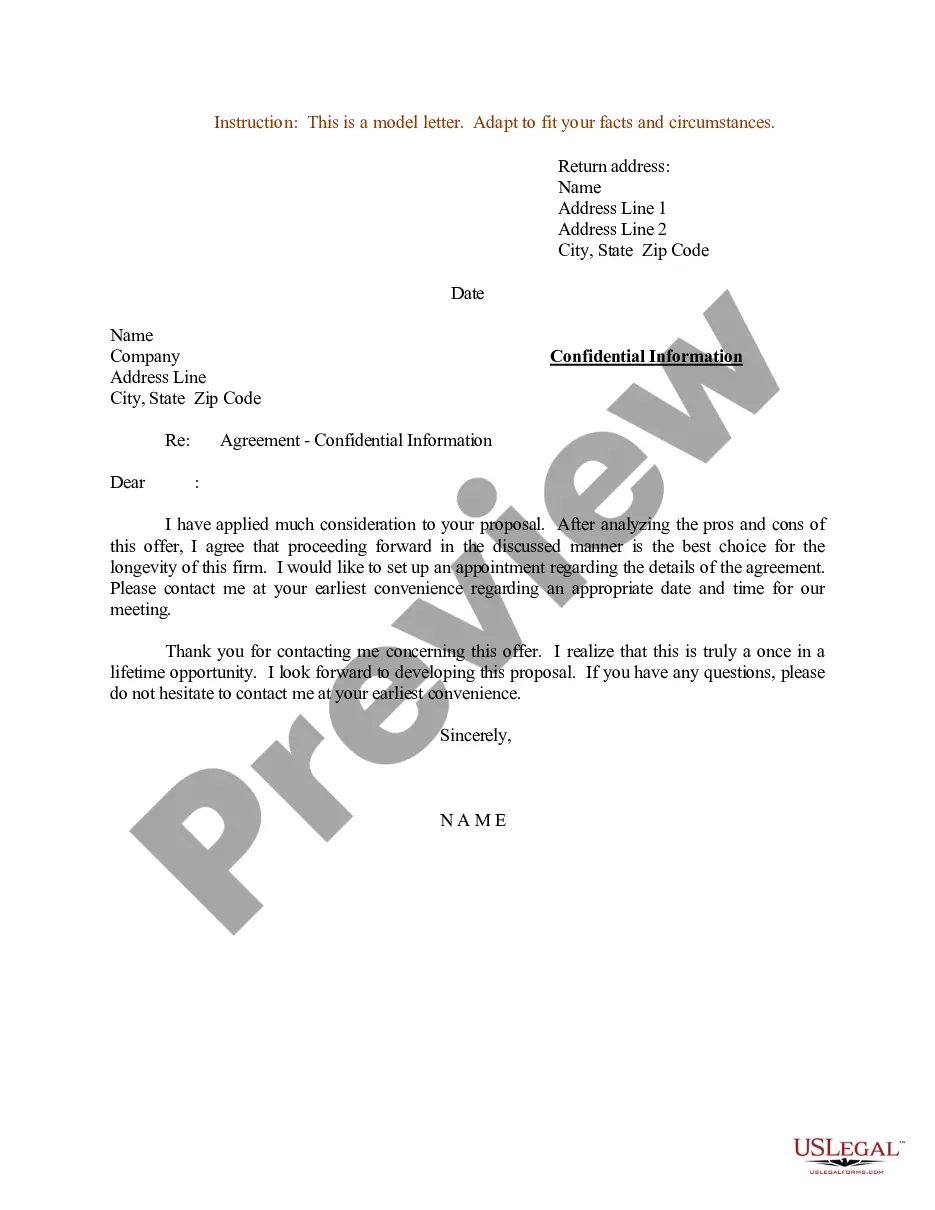

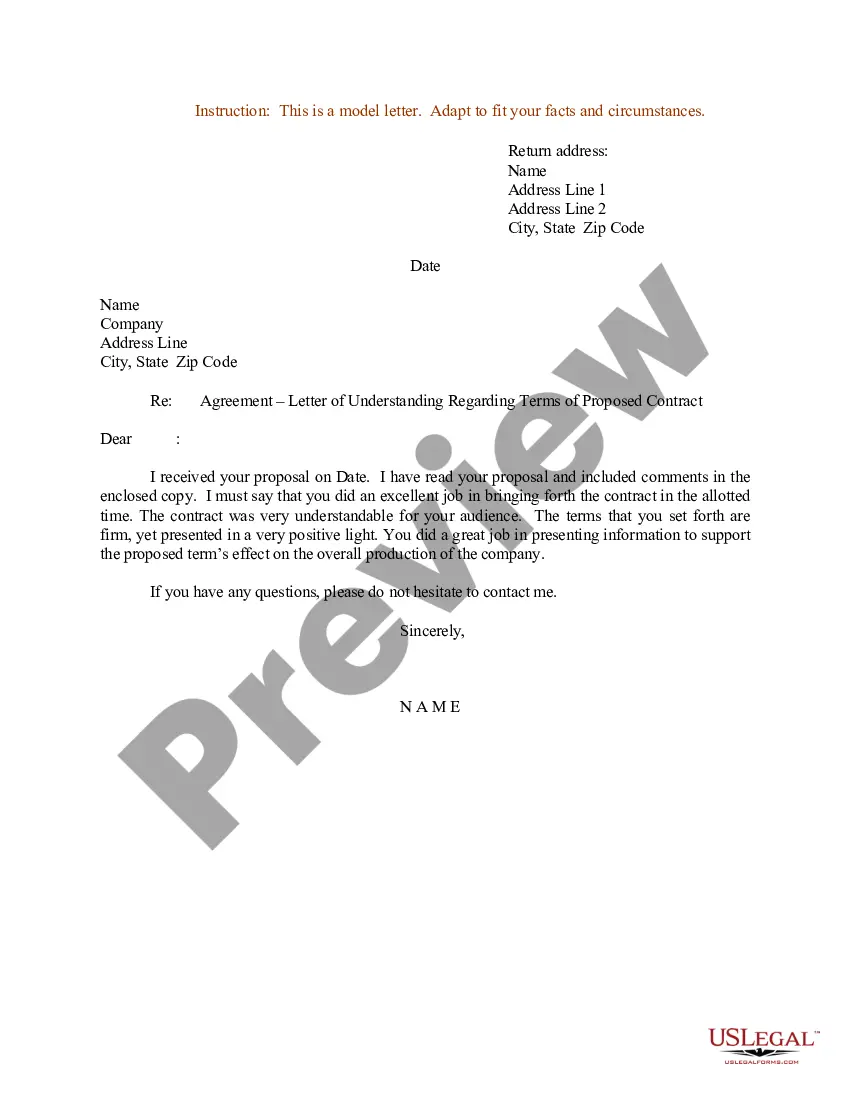
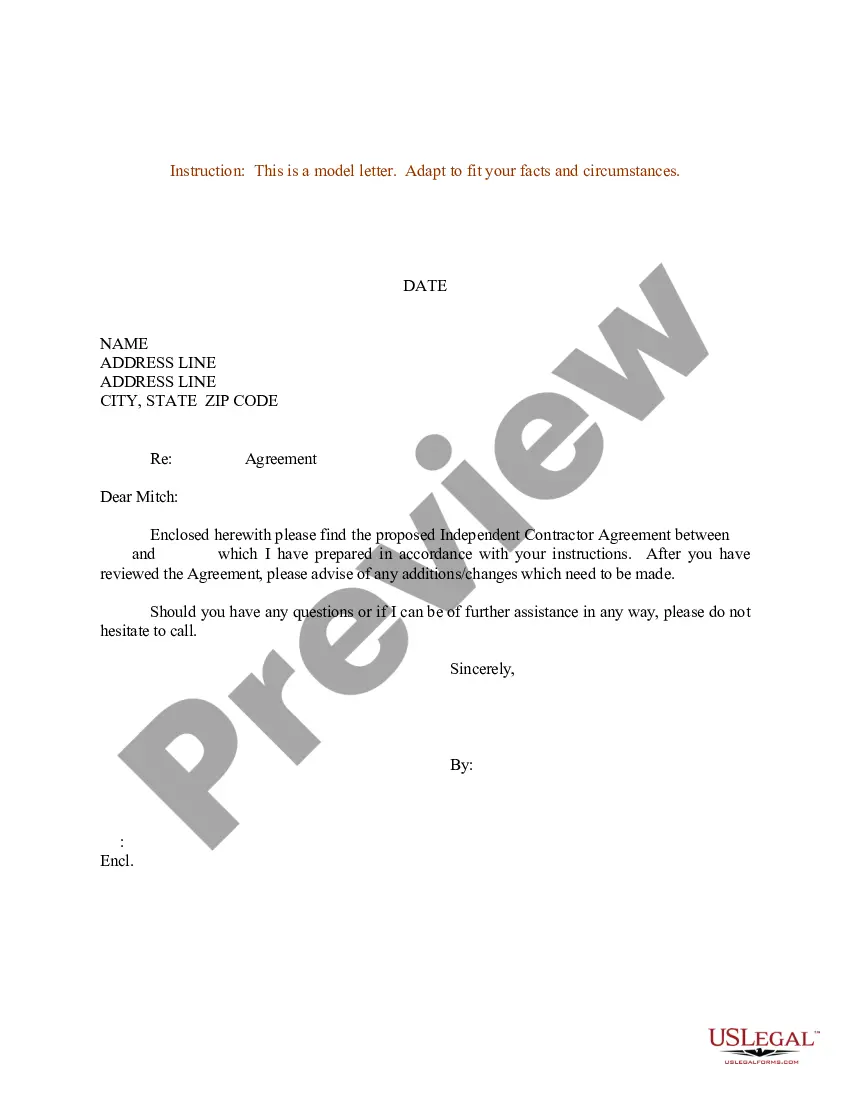
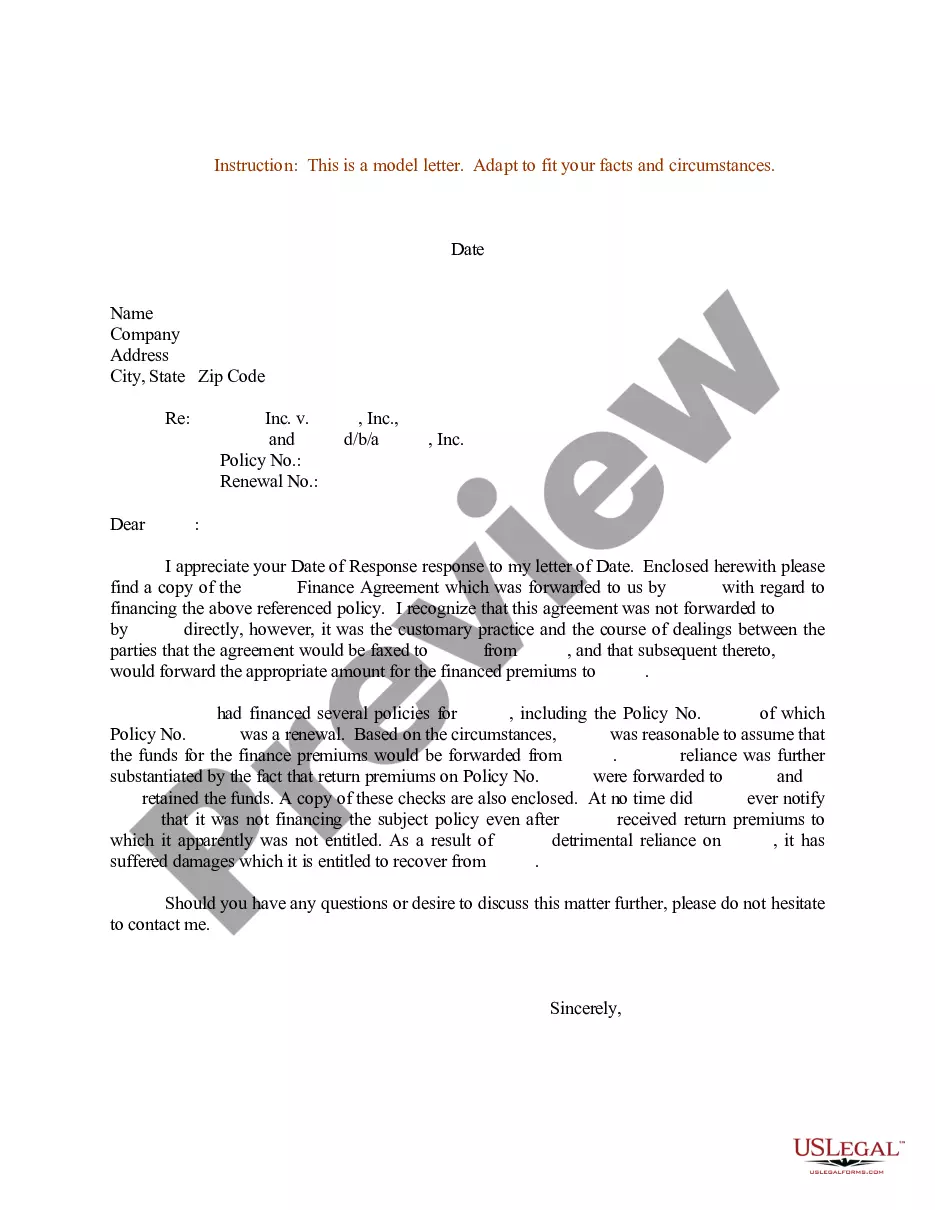
Get your form ready online
Our built-in tools help you complete, sign, share, and store your documents in one place.
Make edits, fill in missing information, and update formatting in US Legal Forms—just like you would in MS Word.
Download a copy, print it, send it by email, or mail it via USPS—whatever works best for your next step.
Sign and collect signatures with our SignNow integration. Send to multiple recipients, set reminders, and more. Go Premium to unlock E-Sign.
If this form requires notarization, complete it online through a secure video call—no need to meet a notary in person or wait for an appointment.
We protect your documents and personal data by following strict security and privacy standards.

Make edits, fill in missing information, and update formatting in US Legal Forms—just like you would in MS Word.

Download a copy, print it, send it by email, or mail it via USPS—whatever works best for your next step.

Sign and collect signatures with our SignNow integration. Send to multiple recipients, set reminders, and more. Go Premium to unlock E-Sign.

If this form requires notarization, complete it online through a secure video call—no need to meet a notary in person or wait for an appointment.

We protect your documents and personal data by following strict security and privacy standards.
Looking for another form?



Form popularity
FAQ
Per contract law, a contract is only considered to be legally binding if it is mutually beneficial for all parties involved. This is also known as consideration. When one party does something without getting anything in return, the contract is typically considered unenforceable by the courts.
The Michigan Statute of Frauds, however, requires certain contracts to be in writing in order to be legally enforceable in court.
As a contract exists as a legally binding agreement between interested parties, it can be legally modified after being signed. But this happens only with the agreement of all the parties and by adding an extra section, called a 'rider'.
To Sum it Up: Verbal agreements can be legal in Michigan, but it's always better to have a written contract, especially for important agreements. A written contract provides clear evidence of the terms and reduces the risk of misunderstandings or someone backing out of the agreement.
Contract payment terms often include details on how invoices should be submitted, the payment due date, and any late payment penalties or interest charges. It's also important to include provisions for confirming the receipt of payments, such as receipts, acknowledgment of invoices, or other forms of documentation.
How to write an agreement letter Title your document. Provide your personal information and the date. Include the recipient's information. Address the recipient and write your introductory paragraph. Write a detailed body. Conclude your letter with a paragraph, closing remarks, and a signature. Sign your letter.
How to write an agreement letter Title your document. Provide your personal information and the date. Include the recipient's information. Address the recipient and write your introductory paragraph. Write a detailed body. Conclude your letter with a paragraph, closing remarks, and a signature. Sign your letter.
To write a simple contract, title it clearly, identify all parties and specify terms (services or payments). Include an offer, acceptance, consideration, and intent. Add a signature and date for enforceability. Written contracts reduce disputes and offer better legal security than verbal ones.

