Agreement Letter For Utang In California
Description
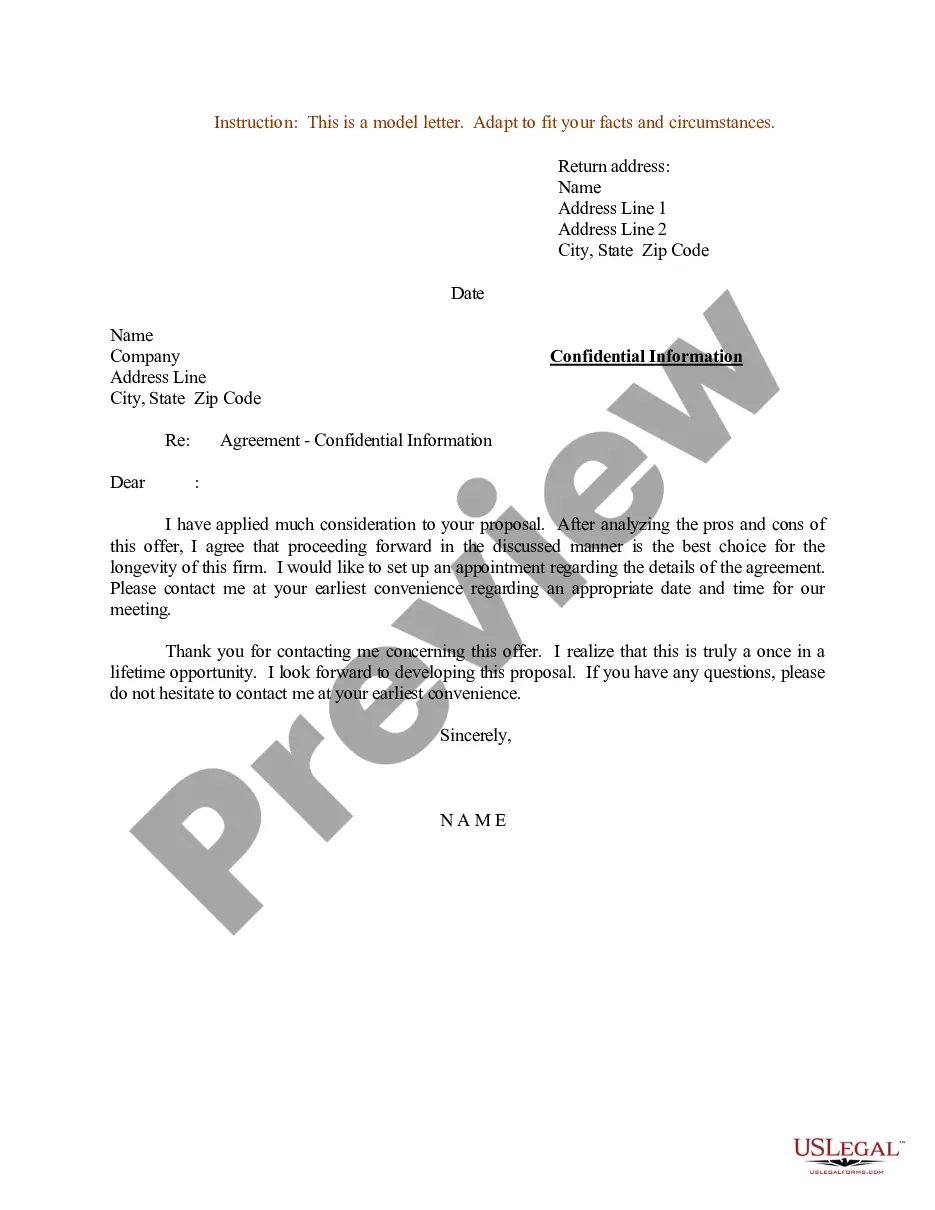

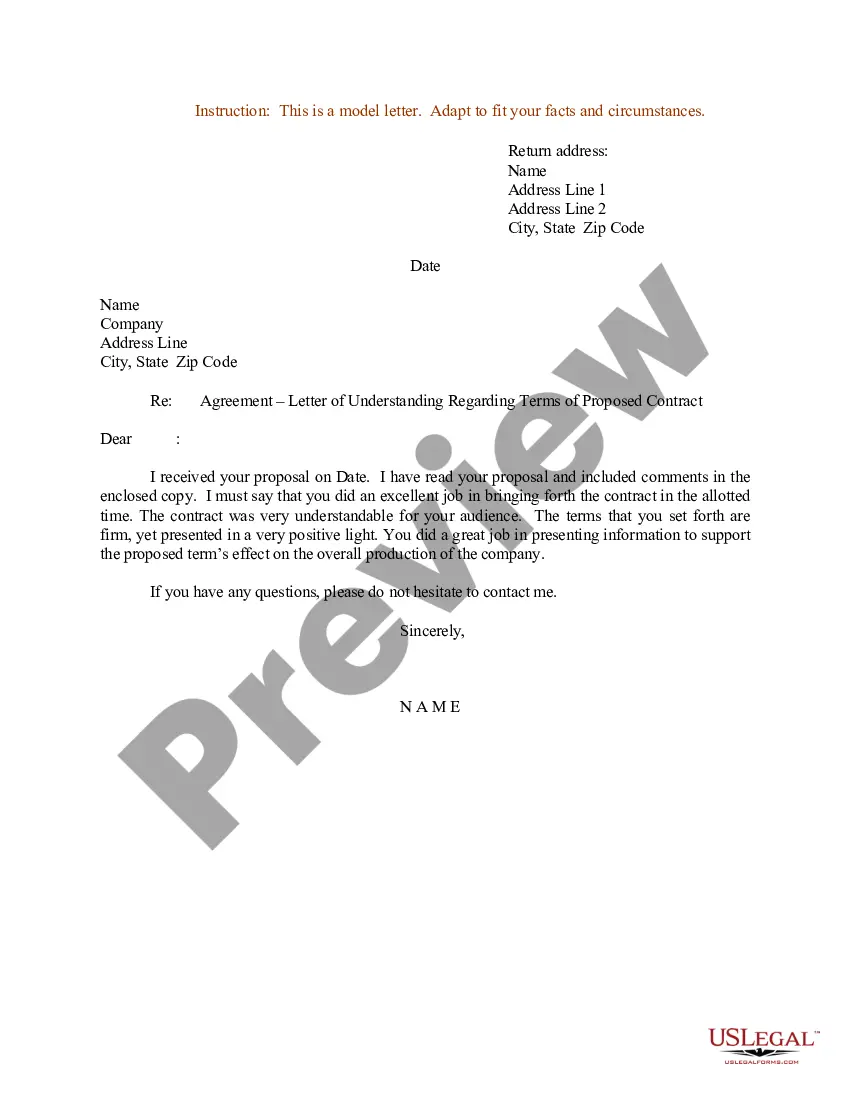
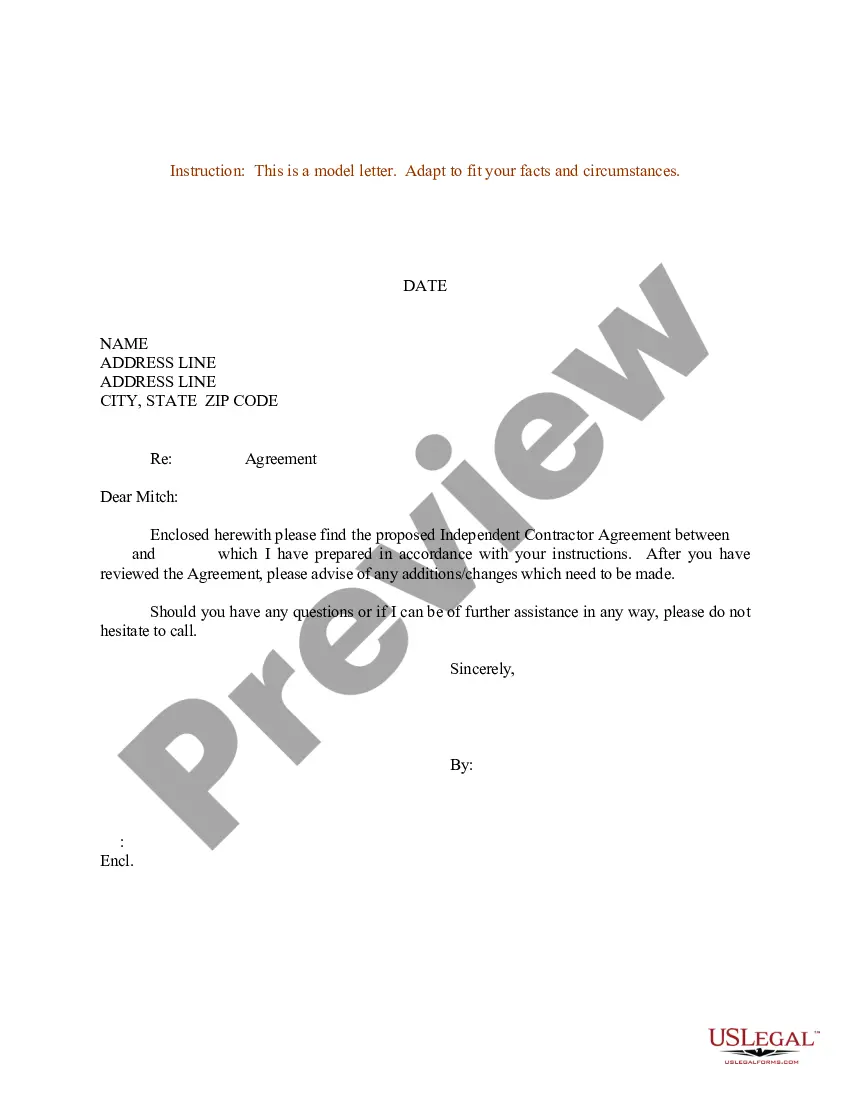
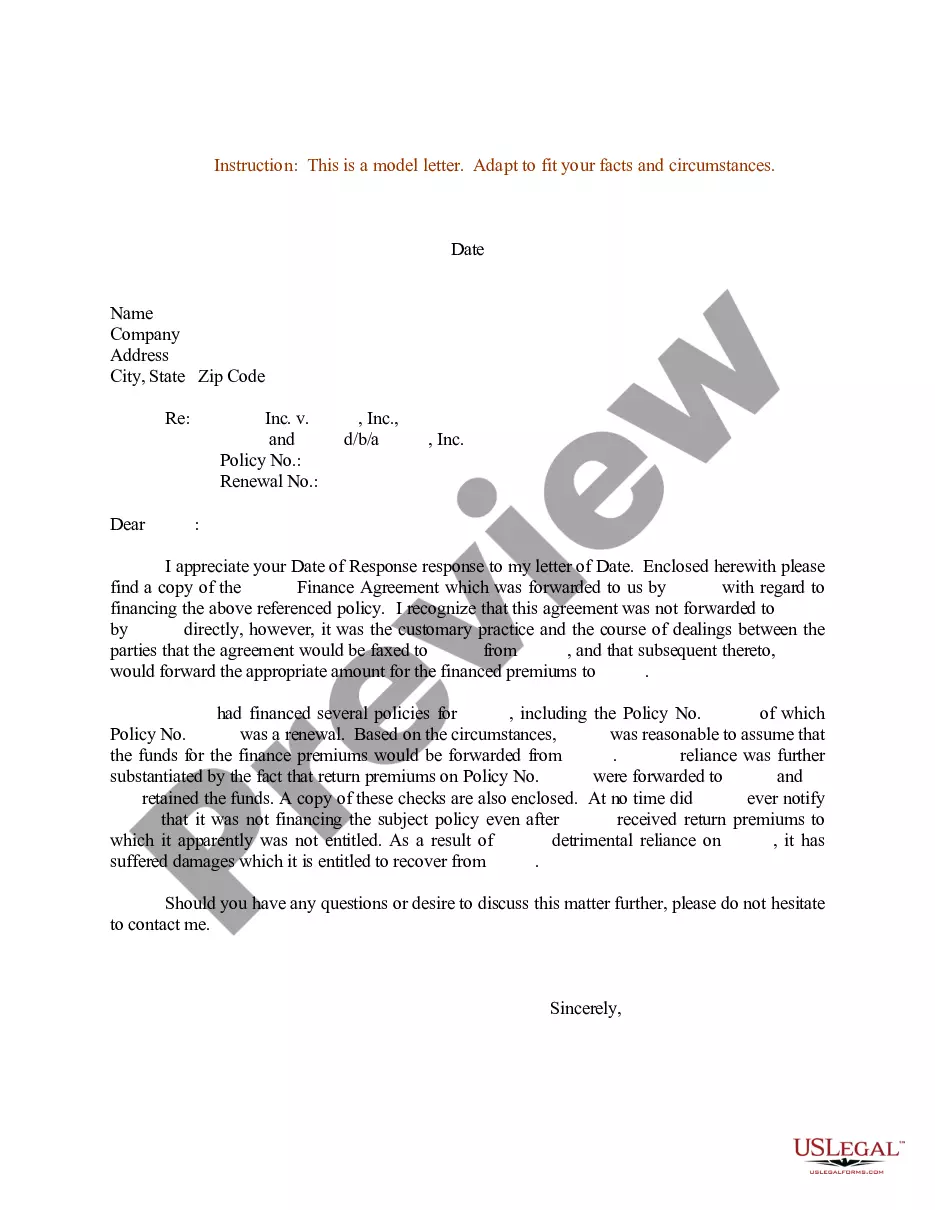
Get your form ready online
Our built-in tools help you complete, sign, share, and store your documents in one place.
Make edits, fill in missing information, and update formatting in US Legal Forms—just like you would in MS Word.
Download a copy, print it, send it by email, or mail it via USPS—whatever works best for your next step.
Sign and collect signatures with our SignNow integration. Send to multiple recipients, set reminders, and more. Go Premium to unlock E-Sign.
If this form requires notarization, complete it online through a secure video call—no need to meet a notary in person or wait for an appointment.
We protect your documents and personal data by following strict security and privacy standards.

Make edits, fill in missing information, and update formatting in US Legal Forms—just like you would in MS Word.

Download a copy, print it, send it by email, or mail it via USPS—whatever works best for your next step.

Sign and collect signatures with our SignNow integration. Send to multiple recipients, set reminders, and more. Go Premium to unlock E-Sign.

If this form requires notarization, complete it online through a secure video call—no need to meet a notary in person or wait for an appointment.

We protect your documents and personal data by following strict security and privacy standards.
Looking for another form?





Form popularity
FAQ
Aside from the few exceptions such as those mentioned above, most contracts do not need notarization to be valid and effective as between the parties. However, notarization is essential to bind third persons.
While not required by law, having the promissory note notarized can provide additional legal protection and evidentiary weight in court should any dispute arise over its enforcement.
Not all contracts can be verbal. California has a Statute of Frauds to prevent deception and fraud. California Civil Code Section 1624 states that certain types of contracts must be in writing to be legally binding. These documents must include: A description of the “subject matter” of the agreement.
Yes. Like written contracts, verbal agreements can also be legally binding and can even hold up in court when there is sufficient evidence to prove the existence of such agreement.
Is a Letter of Agreement the same as a normal contract? A Letter of Agreement is still a formal legally binding document, acting exactly like a contract.
They are both legally binding but if there is a dispute, each party tends to have a different idea of exactly what was agreed to or the details of that agreement. Because there is nothing in writing to clarify the details of the agreement, in a lawsuit, the judge has no evidence of any details of what was agreed to.
“Agreements to agree” are not binding in California. Nor are preliminary negotiations the same as a valid agreement. Therefore, where the parties intend to put their agreement into a signed writing, no contract is formed until that later written agreement is executed.
How to Write a Settlement Agreement for a Divorce Gather Information About Assets, Debts, and Child Custody Needs. Draft a Clear Outline of the Agreement. Specify Terms for Property Division and Debt Allocation. Address Spousal Support and Child Custody Arrangements. Include a Dispute Resolution Clause.
A wife in California can be entitled to up to half of the assets in the marriage along with up to 40% of their partner's income for child support, spousal support, and primary child custody.

