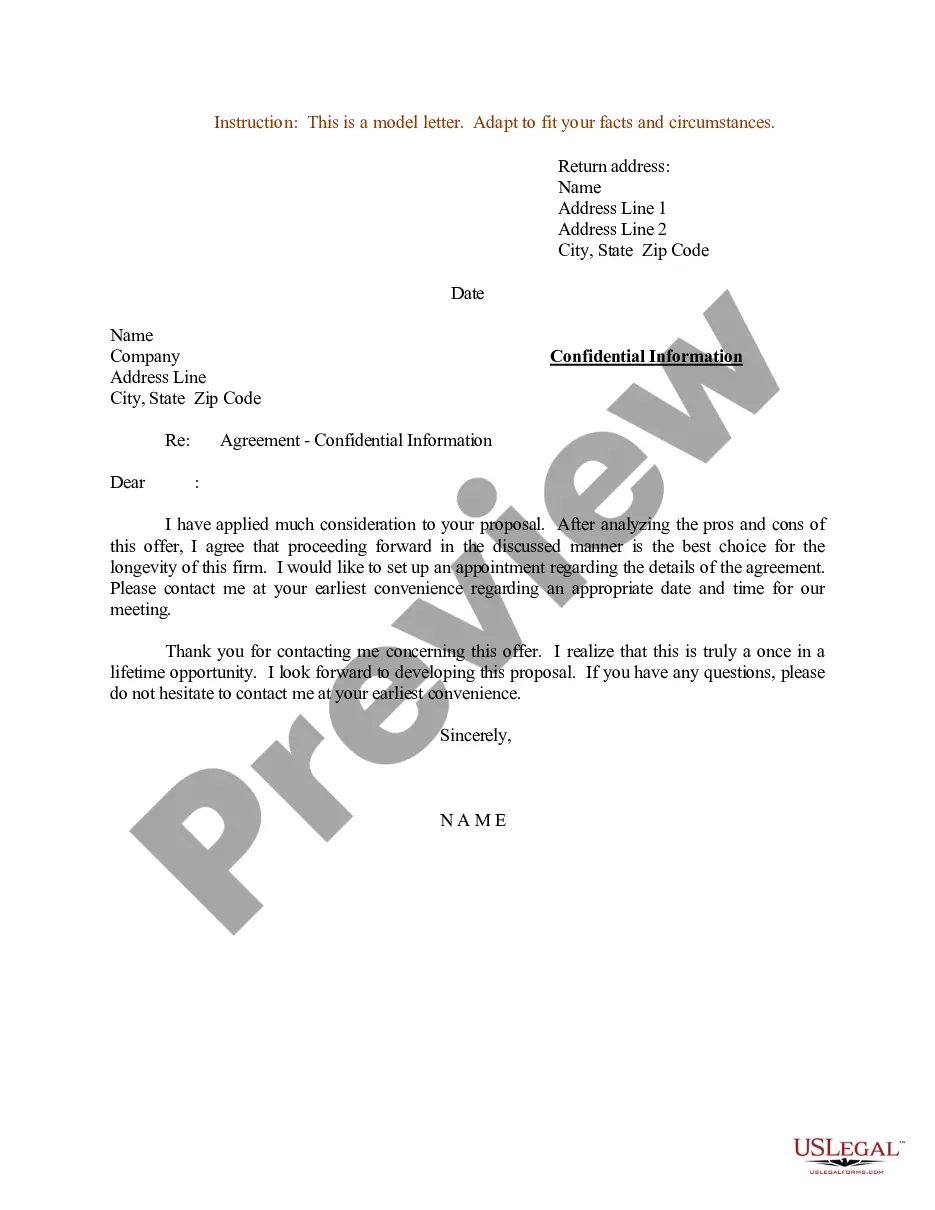
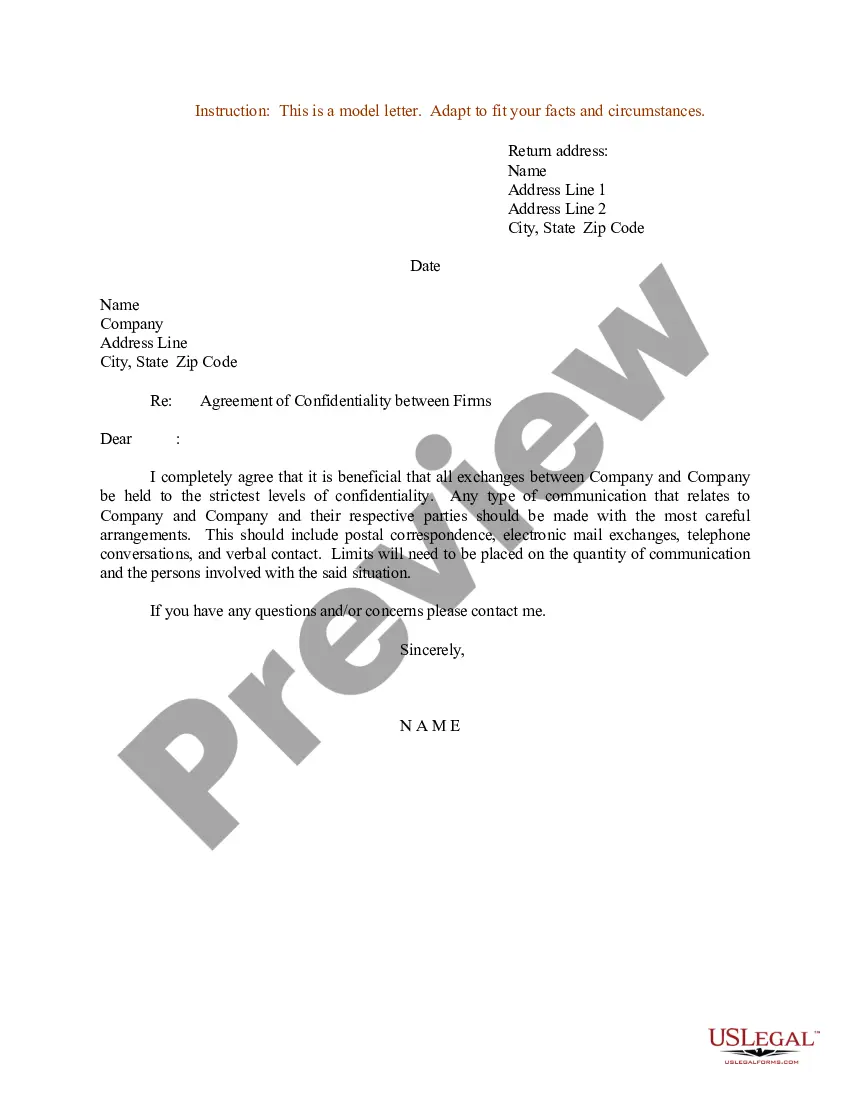
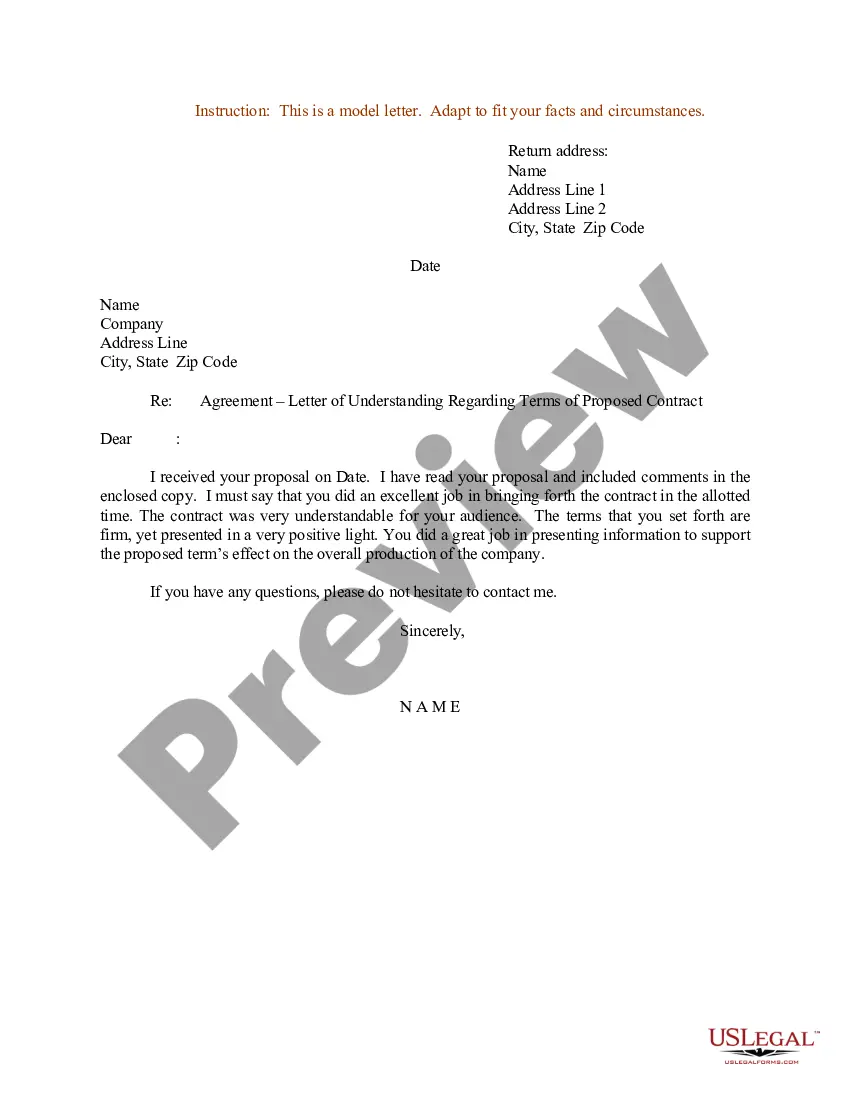
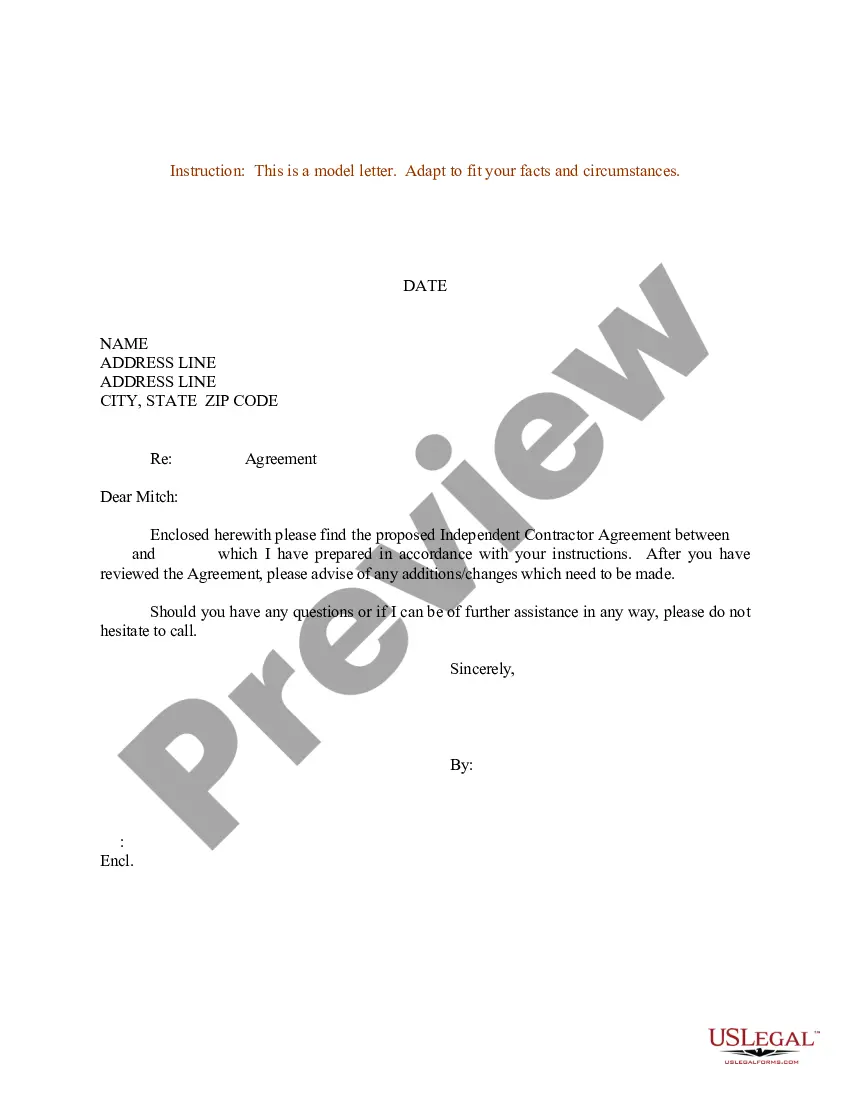
Agreement Letter For Employee In California
Description
Get your form ready online
Our built-in tools help you complete, sign, share, and store your documents in one place.
Make edits, fill in missing information, and update formatting in US Legal Forms—just like you would in MS Word.
Download a copy, print it, send it by email, or mail it via USPS—whatever works best for your next step.
Sign and collect signatures with our SignNow integration. Send to multiple recipients, set reminders, and more. Go Premium to unlock E-Sign.
If this form requires notarization, complete it online through a secure video call—no need to meet a notary in person or wait for an appointment.
We protect your documents and personal data by following strict security and privacy standards.

Make edits, fill in missing information, and update formatting in US Legal Forms—just like you would in MS Word.

Download a copy, print it, send it by email, or mail it via USPS—whatever works best for your next step.

Sign and collect signatures with our SignNow integration. Send to multiple recipients, set reminders, and more. Go Premium to unlock E-Sign.

If this form requires notarization, complete it online through a secure video call—no need to meet a notary in person or wait for an appointment.

We protect your documents and personal data by following strict security and privacy standards.
Looking for another form?





Form popularity
FAQ
They are both legally binding but if there is a dispute, each party tends to have a different idea of exactly what was agreed to or the details of that agreement. Because there is nothing in writing to clarify the details of the agreement, in a lawsuit, the judge has no evidence of any details of what was agreed to.
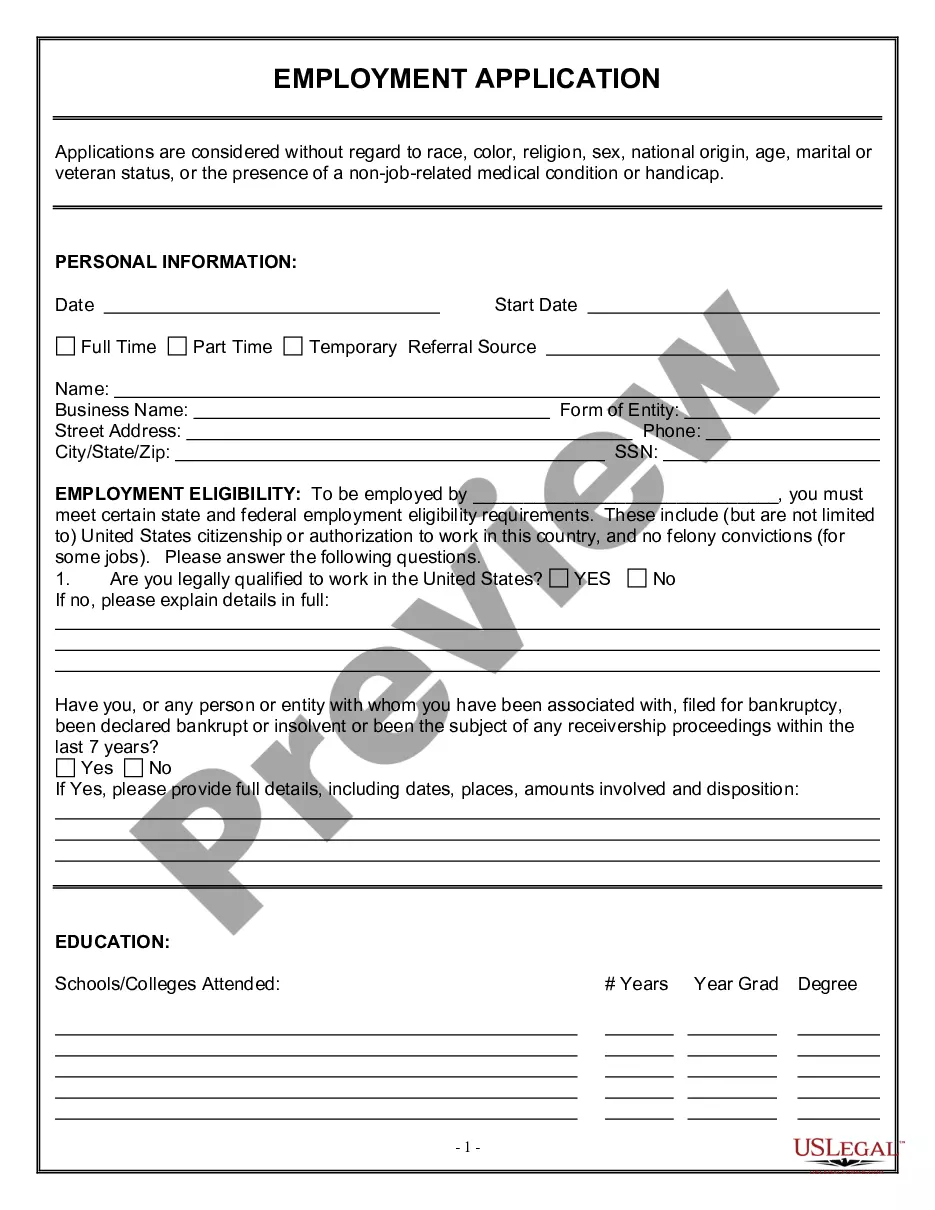
Here's what you'll need to have them sign: An official offer letter. A personal data form. An I-9 Employment Eligibility Verification form that verifies their right to work in the United States. A W-2 tax form. A W-4 tax form. A DE 4 California Payroll Tax Form. Any insurance forms.
It is not a contract, but in California, it comes close. The employee handbook is legally binding, so employers want to be careful of their wording.
All you need is your business information—including your EIN and payroll tax number—as well as your employee's full name, home address, Social Security number, and start date. Get more information on California's new hire reporting process and requirements on the EDD website.
While offer letters or employment agreements are not legally required in California, these documents typically set forth important information about the employment relationship.
Both Federal W-4 Form and California DE 4 Withholding Certificate must be provided to newly hired employees. Generally speaking, most employers in California are required to provide the following documents with new employees upon hire: Time of Hire Pamphlet. Sexual Harassment Pamphlet (DFEH-185P)
How to Hire an Employee in California Conduct a background check. Execute employee offer letter. Employee eligibility verification form I-9. Execute a confidentiality and invention assignment agreement. Grant options or issue stock to employee. Provide non-exempt employee with wage theft act protection notice.
Yes. Like written contracts, verbal agreements can also be legally binding and can even hold up in court when there is sufficient evidence to prove the existence of such agreement.
Checklist for How to Fire an Employee in California Should I Terminate an Employee? ... Ensure There Are Written Records to Show The Employee Was Disciplined. Review the Employee's Personnel File. Document the Termination Decision in Writing. Have the Termination Reason in Writing. Do Not Give Too Many Reasons For Termination.

