Directors Rules In Virginia
Description
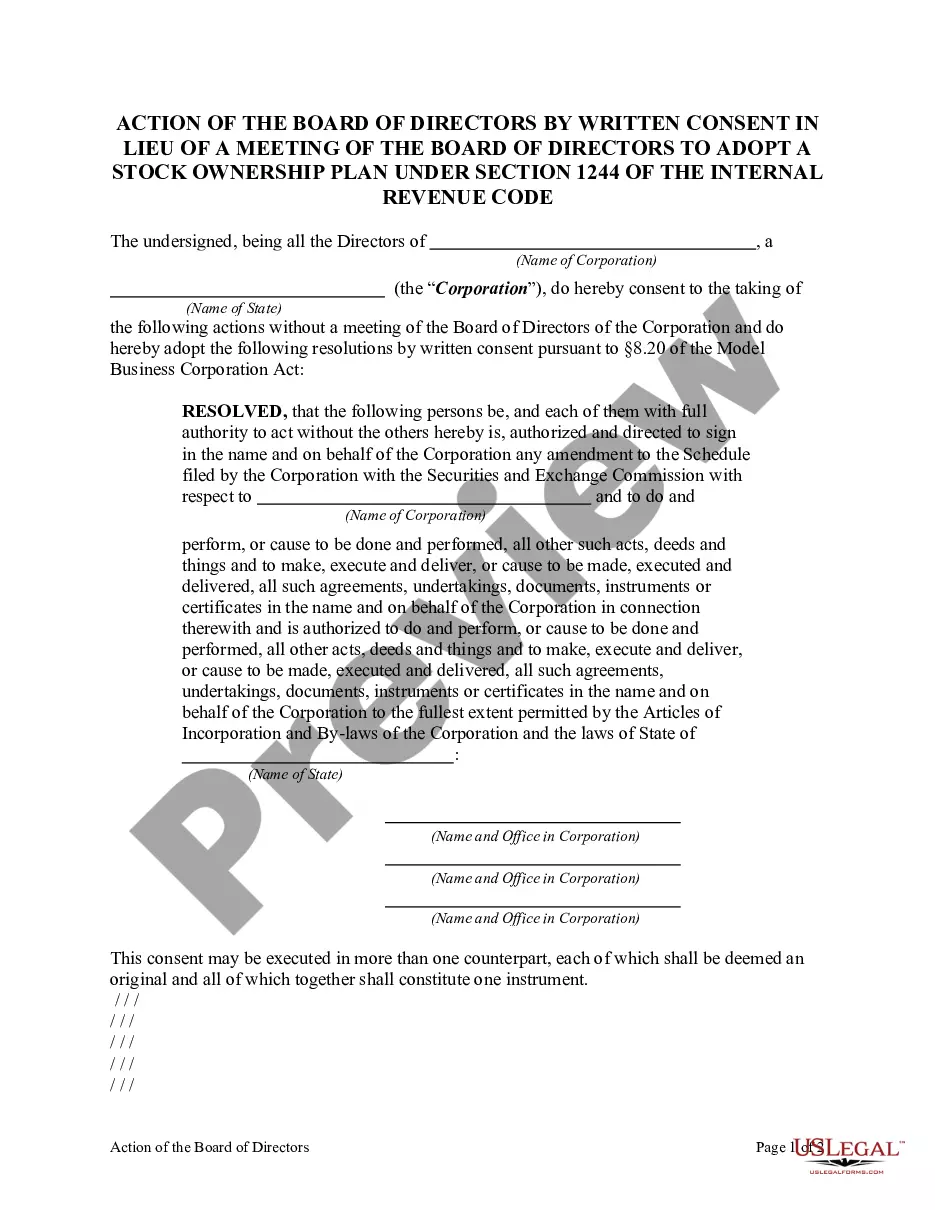
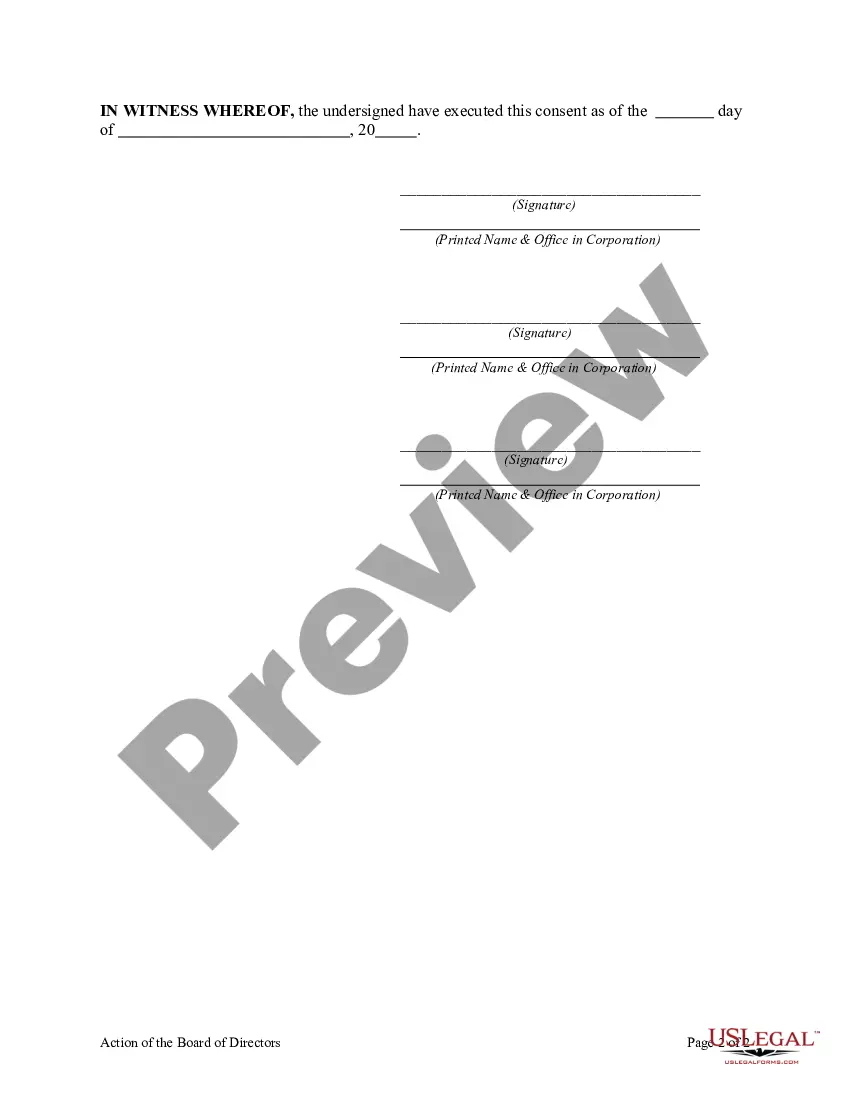

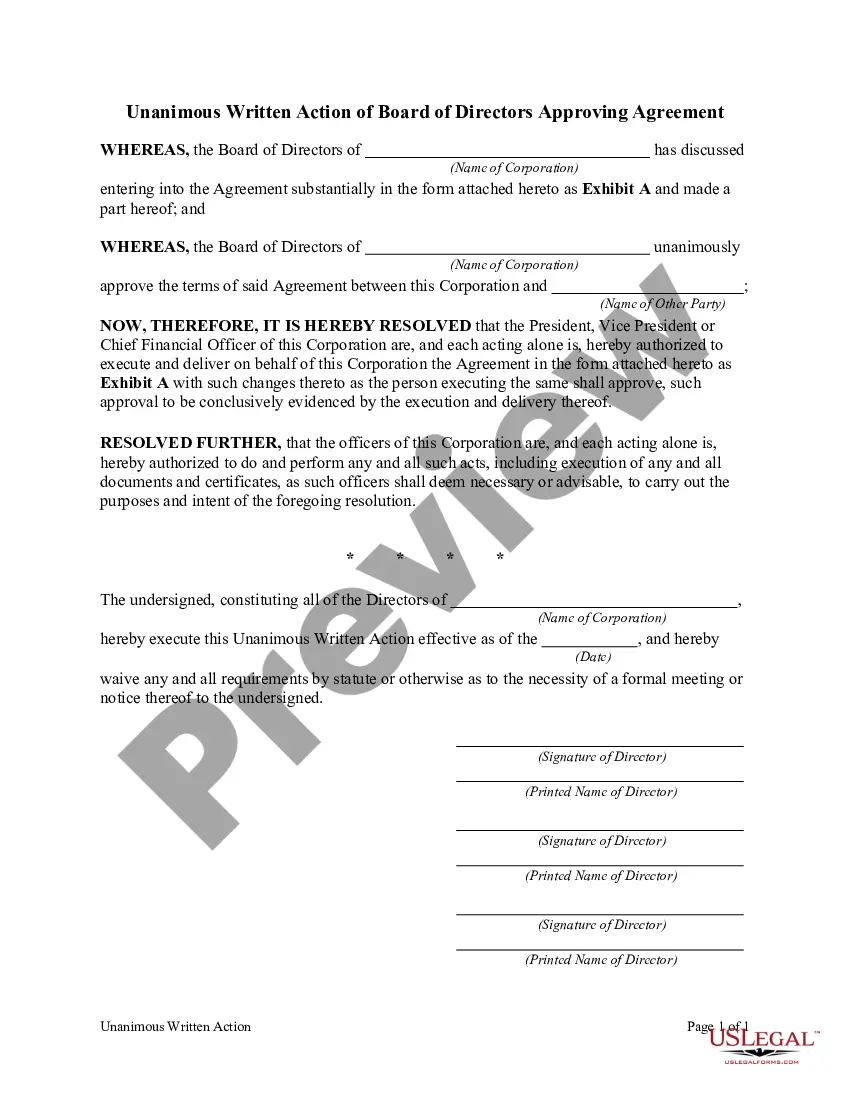
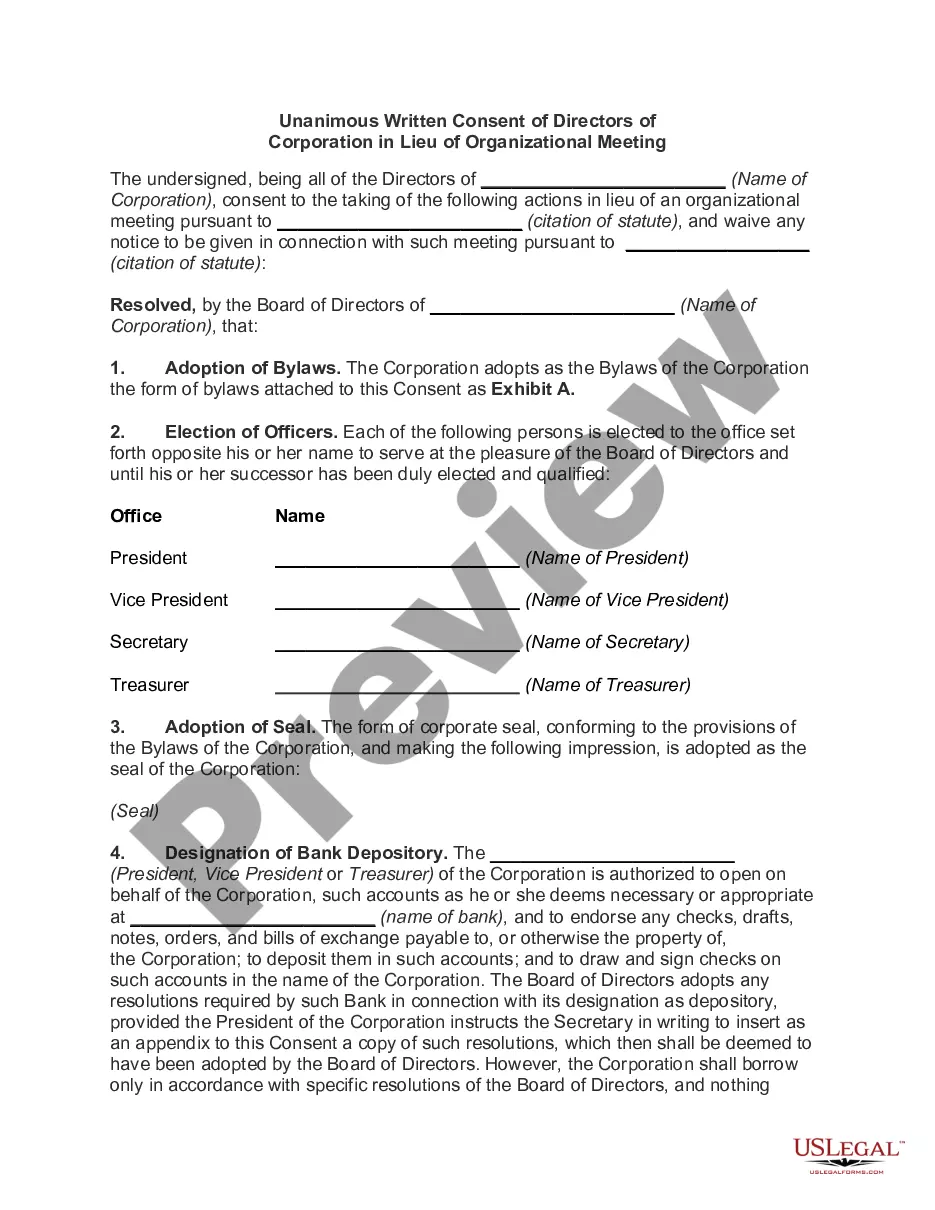
Get your form ready online
Our built-in tools help you complete, sign, share, and store your documents in one place.
Make edits, fill in missing information, and update formatting in US Legal Forms—just like you would in MS Word.
Download a copy, print it, send it by email, or mail it via USPS—whatever works best for your next step.
Sign and collect signatures with our SignNow integration. Send to multiple recipients, set reminders, and more. Go Premium to unlock E-Sign.
If this form requires notarization, complete it online through a secure video call—no need to meet a notary in person or wait for an appointment.
We protect your documents and personal data by following strict security and privacy standards.

Make edits, fill in missing information, and update formatting in US Legal Forms—just like you would in MS Word.

Download a copy, print it, send it by email, or mail it via USPS—whatever works best for your next step.

Sign and collect signatures with our SignNow integration. Send to multiple recipients, set reminders, and more. Go Premium to unlock E-Sign.

If this form requires notarization, complete it online through a secure video call—no need to meet a notary in person or wait for an appointment.

We protect your documents and personal data by following strict security and privacy standards.
Looking for another form?









Form popularity
FAQ
Each corporation other than a banking corporation, an insurance corporation, a savings institution or a credit union shall have power to enter into partnership agreements, joint ventures or other associations of any kind with any person or persons.
Corporate bylaws are legally required in Virginia. The law doesn't specify when bylaws must be adopted, but usually this happens at the organizational meeting.
§ 13.1-869. B. The creation of a committee and appointment of directors to it shall be approved by the greater number of (i) a majority of all the directors in office when the action is taken, or (ii) the number of directors required by the articles of incorporation or bylaws to take action under § 13.1-868.
§ 13.1-624. The incorporators or board of directors of a corporation shall adopt initial bylaws for the corporation. B. The bylaws of a corporation may contain any provision that is not inconsistent with law or the articles of incorporation.
What Does it Take to Incorporate in Virginia? Obtain an EIN. Draft and finalize corporate bylaws. Hold an organization meeting. File BOI Report to FinCEN. Open a business banking account. Apply for any necessary licenses or permits. Hold an annual shareholders meeting. File an annual report.
Corporate bylaws are a company's foundational governing document. They lay out how things should run day-to-day and the processes for making important decisions. They serve as a legal contract between the corporation and its shareholders, directors, and officers and set the protocol for how the organization operates.
The IRS generally requires a minimum of three board members for every nonprofit, but does not dictate board term length. What is important to remember is that board service terms aren't intended to be perpetual, and are typically one to five years.
Under Virginia law, to have a nonprofit you only need to have one member on the Board of Directors. However, to be eligible for tax exemption with the IRS, we recommend that you have at least three directors.
Both types of corporations need to answer two questions — 1) what do they need to accomplish? and 2) do they have the right expertise on the board to achieve it? ing to a study by Bain Capital Private Equity, the optimal number of directors for boards to make a decision is seven.
General standards of conduct for directors. A. A director shall discharge his duties as a director, including his duties as a member of a committee, in ance with his good faith business judgment of the best interests of the corporation.
