Directors Consent Form Nz In Texas
Description

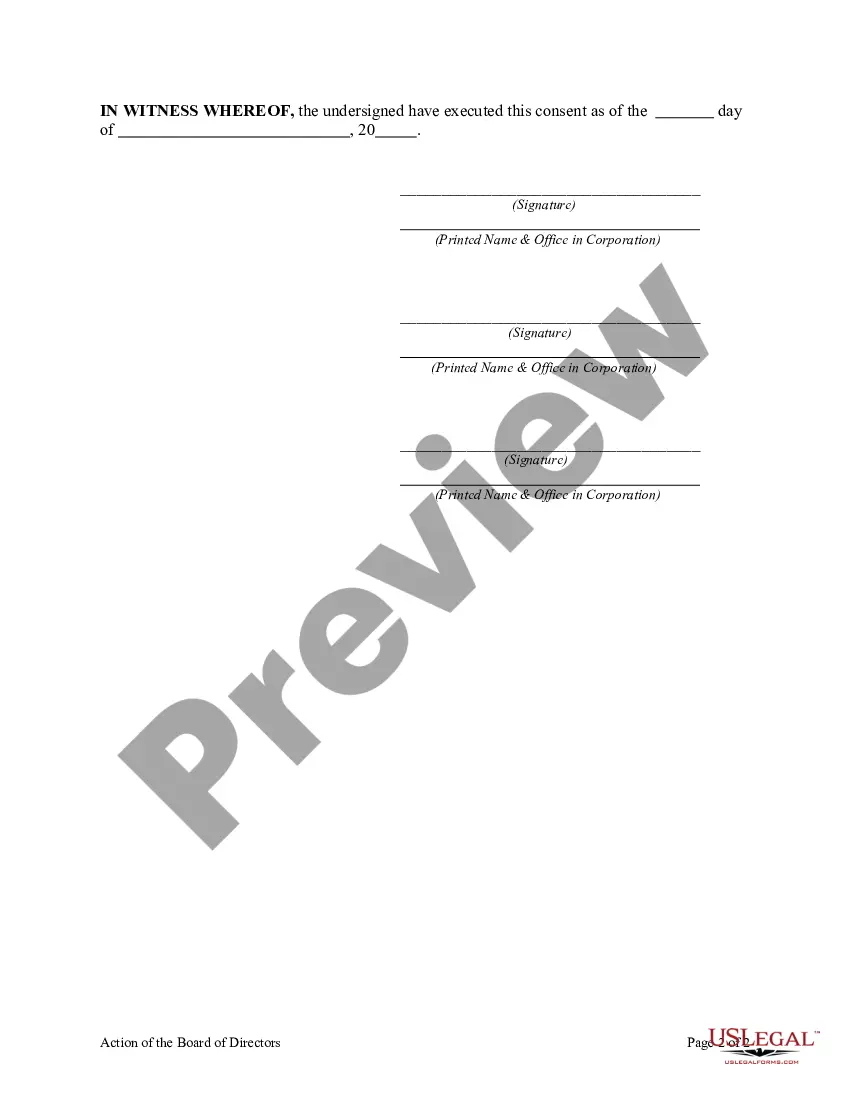

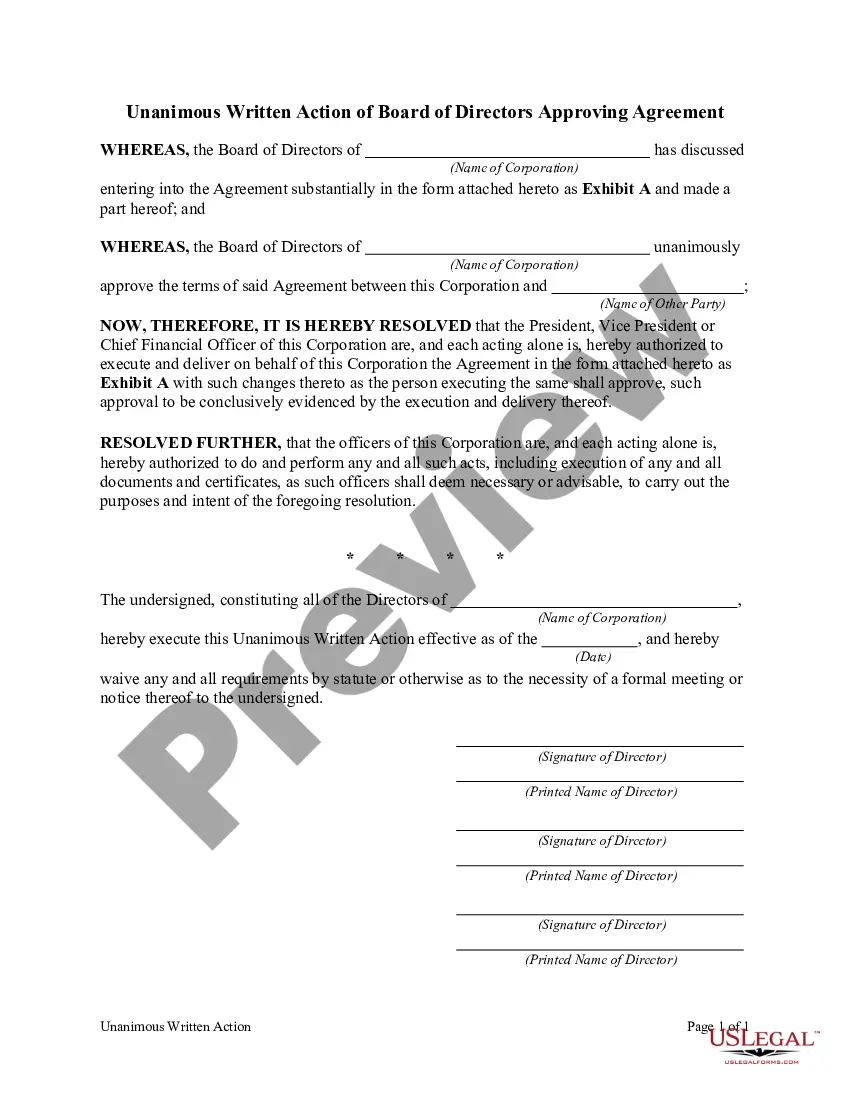
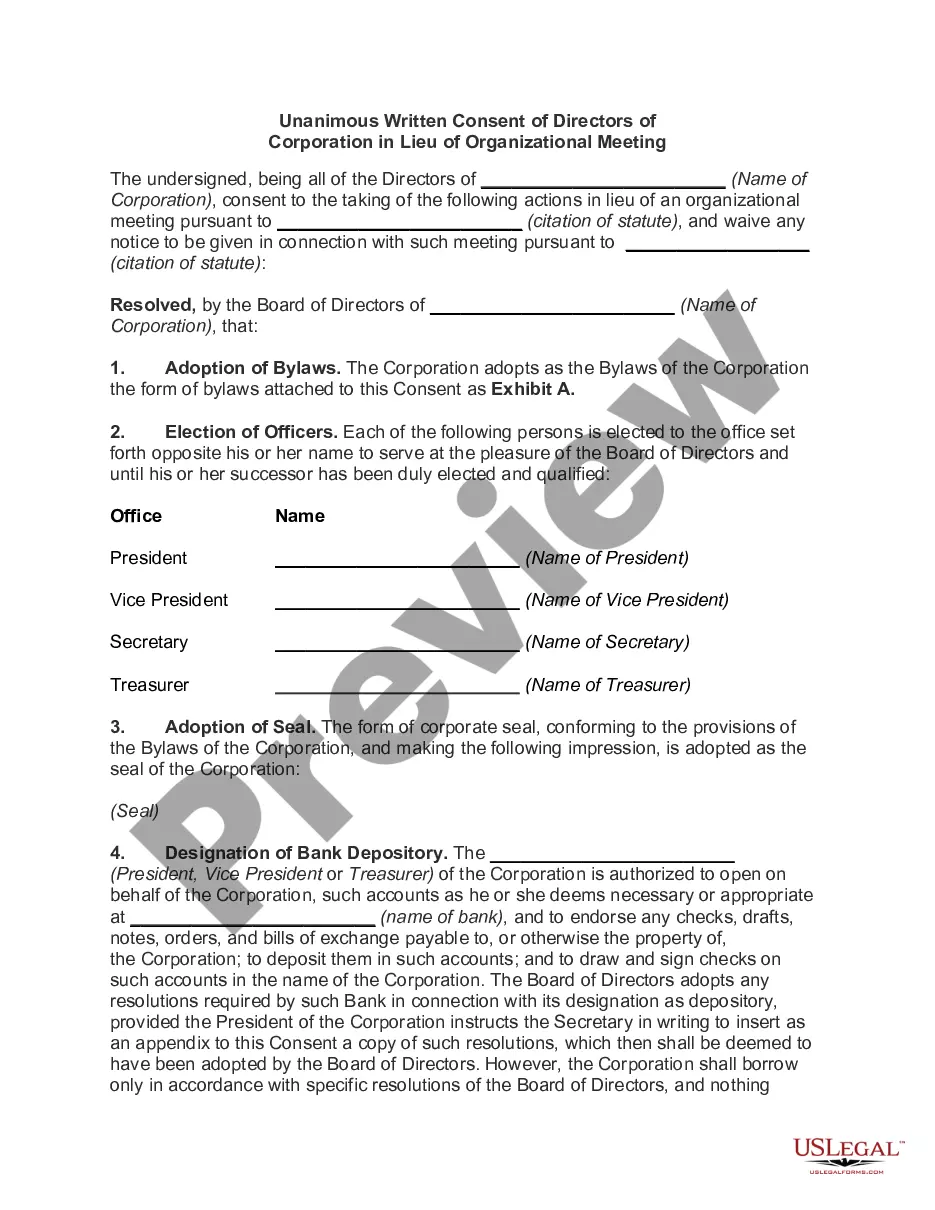
Get your form ready online
Our built-in tools help you complete, sign, share, and store your documents in one place.
Make edits, fill in missing information, and update formatting in US Legal Forms—just like you would in MS Word.
Download a copy, print it, send it by email, or mail it via USPS—whatever works best for your next step.
Sign and collect signatures with our SignNow integration. Send to multiple recipients, set reminders, and more. Go Premium to unlock E-Sign.
If this form requires notarization, complete it online through a secure video call—no need to meet a notary in person or wait for an appointment.
We protect your documents and personal data by following strict security and privacy standards.

Make edits, fill in missing information, and update formatting in US Legal Forms—just like you would in MS Word.

Download a copy, print it, send it by email, or mail it via USPS—whatever works best for your next step.

Sign and collect signatures with our SignNow integration. Send to multiple recipients, set reminders, and more. Go Premium to unlock E-Sign.

If this form requires notarization, complete it online through a secure video call—no need to meet a notary in person or wait for an appointment.

We protect your documents and personal data by following strict security and privacy standards.
Looking for another form?










Form popularity
FAQ
When appointing officeholders such as a director or secretary, written and signed consent must be provided by the officeholder. This highlights the importance of the role and that the director or company secretary formally acknowledge their position.
A Consent to Act as a Director is a written consent which should be given by any person who intends to act as a director of a company. Directors have numerous duties which they have to act in ance with under the Corporations Act 2001 (Cth), and these are strictly enforced.
What is a director's consent? In a director's consent an individual agrees in writing to be a director of a nonprofit. Every director who is elected or appointed needs to sign a consent. The consent needs to be signed within 10 days of being elected or appointed as a director.
IN LIGHT OF THE ECONOMIC CRIME & CORPORATE TRANSPARENCY ACT 2023, THIS TEMPLATE IS CURRENTLY UNDER REVIEW. This Director's Consent to Act allows a prospective director to confirm that he/she is a fit and proper person to act as a director of a company.
Subject: Consent to act as a director. I ………………………, hereby give my consent to act as director of ……….. (name of the company), pursuant to sub-section (5) of section 152 of the Companies Act, 2013 and certify that I am not disqualified to become a director under the Companies Act, 2013.
I hereby consent to act as a director of the Company with effect from the date of this letter. I am not, nor have I been, disqualified from acting as a director of a company, nor have I performed any acts, nor are there any circumstances, pursuant to which I could be so disqualified.
The consent letter must contain original signature(s), and cannot contain any restrictions, conditions, or stipulations. Any restrictions or conditions must be kept separately between the parties involved. The consent letter must simply state that consent is given to a person to use the similar name.
A written consent of the board of directors is a formal document that allows the company, such as the board of directors or members of an LLC, to take action without needing a physical meeting. The document captures the concurrence of all, or a predetermined majority, of board members on a particular resolution.
The statutory provision allowing any director to be removed from office by ordinary resolution of the shareholders is in Section 168 of the Companies Act 2006 (CA06). Importantly, the resolution must be proposed at a formal shareholders' meeting and cannot be passed as a written resolution.
To be appointed as a company director, an individual must: be at least 16 years old. not be an undischarged bankrupt. not be a disqualified director.
