Appointed Director Without Consent In Pennsylvania
Description
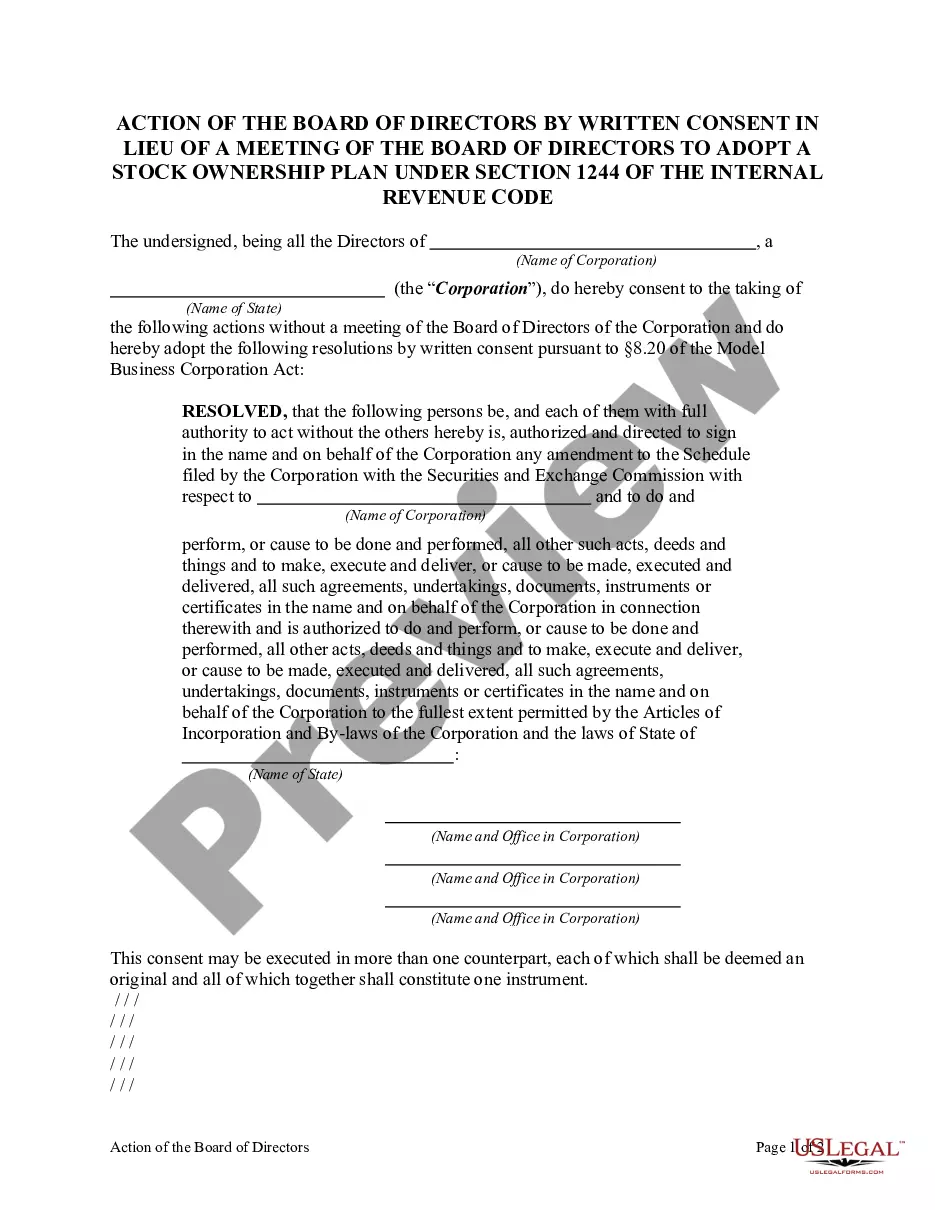

Get your form ready online
Our built-in tools help you complete, sign, share, and store your documents in one place.
Make edits, fill in missing information, and update formatting in US Legal Forms—just like you would in MS Word.
Download a copy, print it, send it by email, or mail it via USPS—whatever works best for your next step.
Sign and collect signatures with our SignNow integration. Send to multiple recipients, set reminders, and more. Go Premium to unlock E-Sign.
If this form requires notarization, complete it online through a secure video call—no need to meet a notary in person or wait for an appointment.
We protect your documents and personal data by following strict security and privacy standards.

Make edits, fill in missing information, and update formatting in US Legal Forms—just like you would in MS Word.

Download a copy, print it, send it by email, or mail it via USPS—whatever works best for your next step.

Sign and collect signatures with our SignNow integration. Send to multiple recipients, set reminders, and more. Go Premium to unlock E-Sign.

If this form requires notarization, complete it online through a secure video call—no need to meet a notary in person or wait for an appointment.

We protect your documents and personal data by following strict security and privacy standards.
Looking for another form?









Form popularity
FAQ
Create a non-profit board For example, in Ontario, not-for-profit corporations are required to have at least three directors on its board. On the other hand, Alberta requires at least two board members to form a private non-profit organization, and a minimum of three people to form a public company.
A director can be removed without their consent under certain conditions, usually, governed by a company's bylaws, shareholders' agreements, and local jurisdiction. Here are common methods for director removal: Shareholder Vote - In many jurisdictions, directors can be removed by a majority vote of the shareholders.
How Many Directors are Required for a Nonprofit in Pennsylvania? In the state of Pennsylvania, the IRS requires a minimum of one director. Directors are responsible for overseeing the organization's activities, decisions, legal compliance, and ethical standards.
Does Pennsylvania Require Corporate Bylaws? Pennsylvania's statute's don't explicitly state that you need corporate bylaws. However, Pennsylvania Consolidated Statute § 1310 implies the necessity of bylaws by stating that an organizing meeting “shall be held… for the purpose of adopting bylaws.”
Section 168 provides that a company can remove a Director by passing an ordinary resolution at a meeting. Special notice is however required. On receipt of notice of an intended resolution to remove a Director, the company must send a copy of the notice to the Director concerned.
The IRS generally requires a minimum of three board members for every nonprofit, but does not dictate board term length. What is important to remember is that board service terms aren't intended to be perpetual, and are typically one to five years.
You'll want to identify at least three board members to meet IRS requirements. Pennsylvania law requires every nonprofit corporation to have a President, Treasurer, and Secretary (i.e. officers who perform comparable duties) and a single person may hold all three offices.
Business-to-business – “B2B” – refers to commerce between two businesses rather than to commerce between a business and an individual consumer. Transactions at the wholesale level are usually business-to-business while those at the retail level are most often business-to-consumer (B2C).
A business license in Pennsylvania is essentially a permit issued by the state that allows you to legally operate your business. It ensures your business meets local, state, and federal regulations.
