Made A Director Without Consent In Ohio
Description
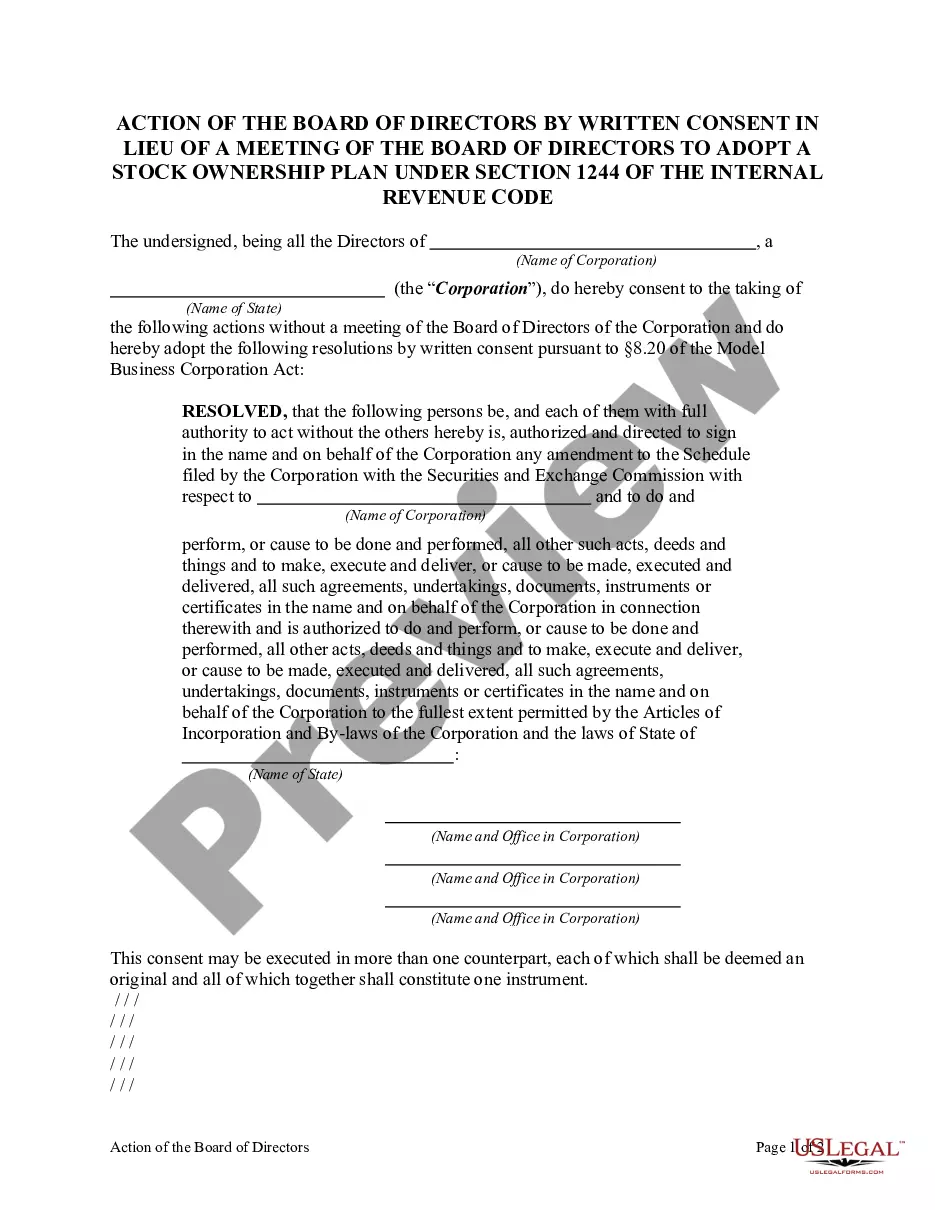

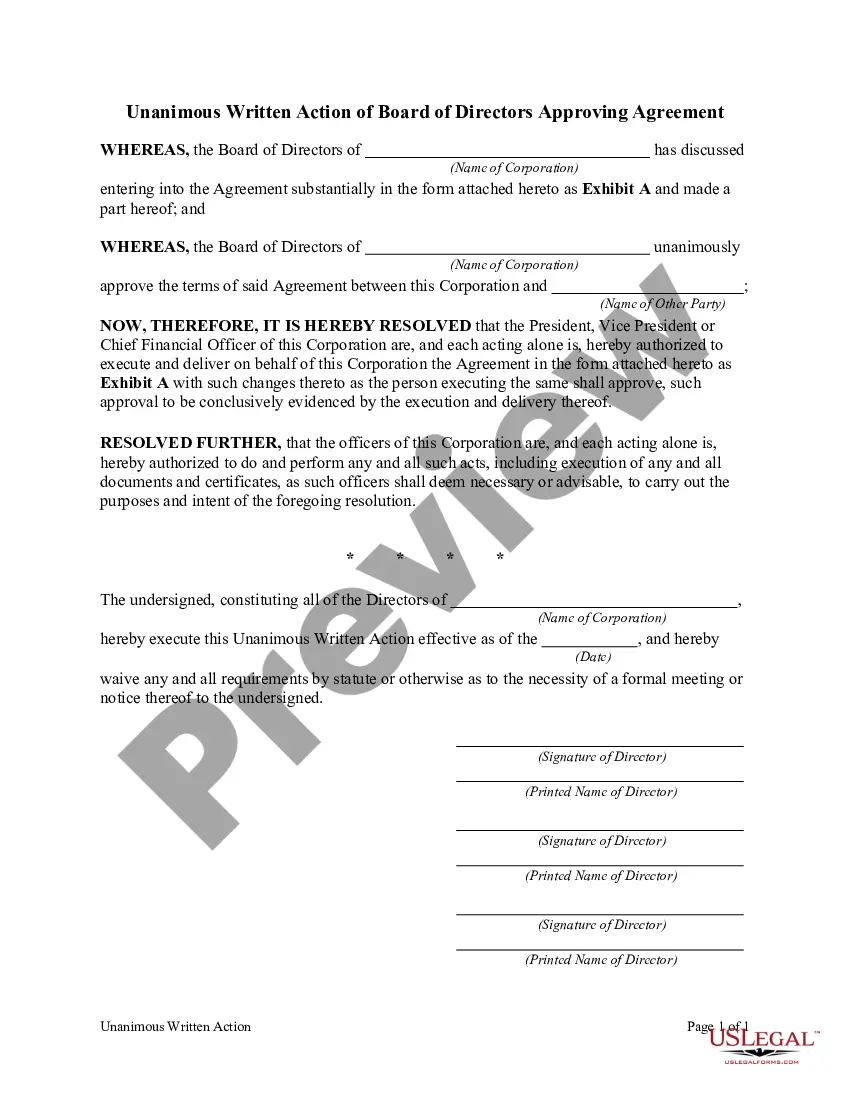
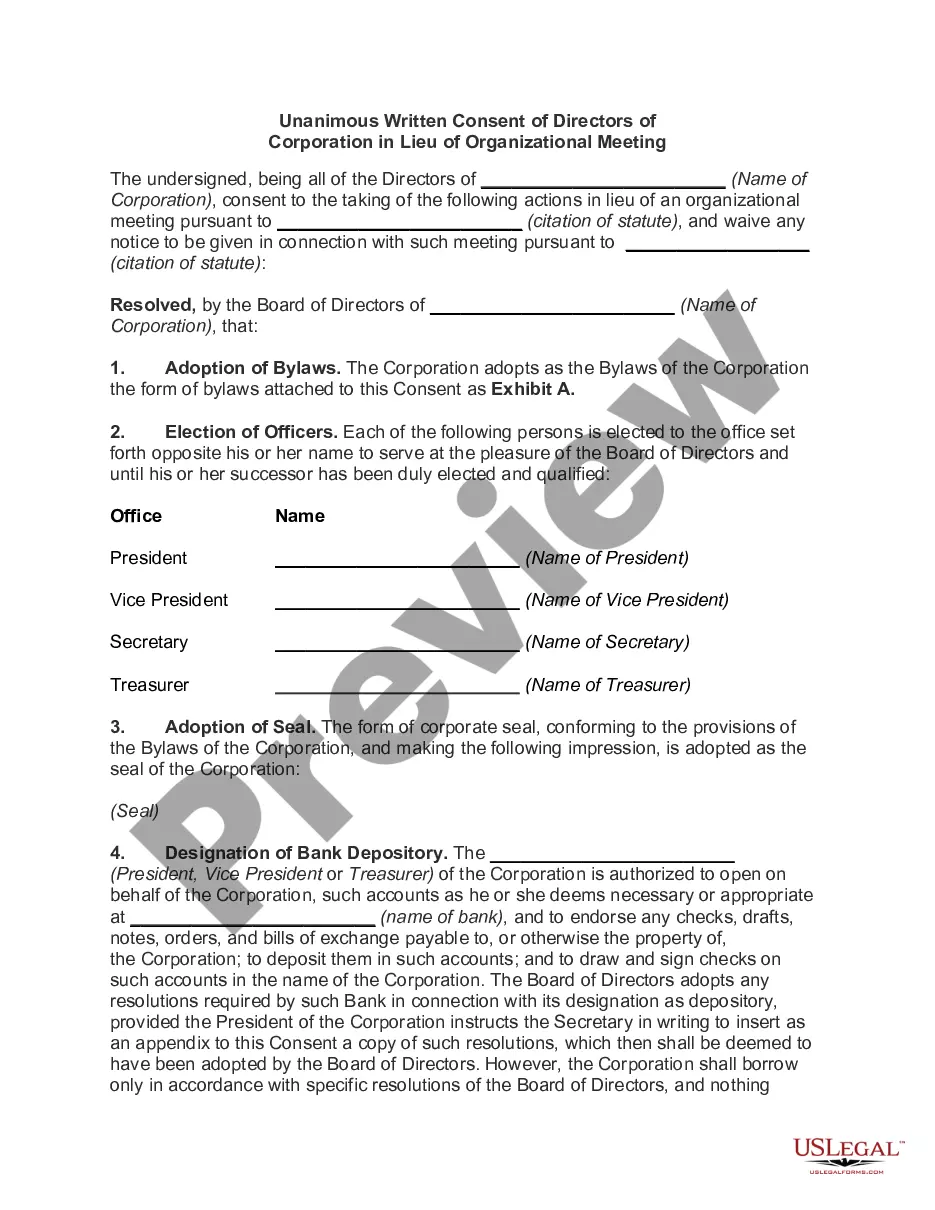
Get your form ready online
Our built-in tools help you complete, sign, share, and store your documents in one place.
Make edits, fill in missing information, and update formatting in US Legal Forms—just like you would in MS Word.
Download a copy, print it, send it by email, or mail it via USPS—whatever works best for your next step.
Sign and collect signatures with our SignNow integration. Send to multiple recipients, set reminders, and more. Go Premium to unlock E-Sign.
If this form requires notarization, complete it online through a secure video call—no need to meet a notary in person or wait for an appointment.
We protect your documents and personal data by following strict security and privacy standards.

Make edits, fill in missing information, and update formatting in US Legal Forms—just like you would in MS Word.

Download a copy, print it, send it by email, or mail it via USPS—whatever works best for your next step.

Sign and collect signatures with our SignNow integration. Send to multiple recipients, set reminders, and more. Go Premium to unlock E-Sign.

If this form requires notarization, complete it online through a secure video call—no need to meet a notary in person or wait for an appointment.

We protect your documents and personal data by following strict security and privacy standards.
Looking for another form?









Form popularity
FAQ
(A) Each corporation shall keep correct and complete books and records of account, together with minutes of the proceedings of its incorporators, shareholders, directors, and committees of the directors, and records of its shareholders showing their names and addresses and the number and class of shares issued or ...
Section 1703.17 | Surrender of license. (A) A foreign corporation may surrender its license to transact business in this state in the manner provided in this section.
A shareholder who transfers shares to a person who takes delivery of the certificate for the shares other than by gift, bequest, or inheritance and without knowledge or notice of the close corporation agreement is liable to the corporation, upon the corporation's written demand made upon the shareholder within ninety ...
(A) A corporation shall give notice of a dissolution by certified or registered mail, return receipt requested, to each known creditor and to each person that has a claim against the corporation, including claims that are conditional, unmatured, or contingent upon the occurrence or nonoccurrence of future events.
The certificate of the secretary of state, or a copy of the certificate of merger or consolidation certified by the secretary of state, may be filed for record in the office of the recorder of any county in this state and, if filed, shall be recorded in the official records of that county.
Corporations must have not less than three directors, unless there are only one or two shareholders. In such case the number of directors may be less than three but not less than the number of shareholders. Residence requirements. Ohio does not have a provision specifying where directors must reside.
Ohio is a Statutory State Oppression statute - The state legislature has enacted a statute expressly addressing shareholder oppression causes of action. Statutory remedies - The law provides statutory remedies for oppression, such as dissolution or a forced buyout of the minority's shares.
Per Ohio Rev. Code §§ 2933.51, Ohio is a one-party consent state. This means that under Ohio law, only one person involved in a conversation needs to consent to its recording. If you participate in a conversation, you can legally record it without notifying the other party.
Bylaws are the rules used by the board to govern the organization. Ohio does not require a copy of the bylaws to be filed with the state. Regardless of filing requirement, their creation is a part of the formation process and is required by state law.