Made A Director Without Consent In New York
Description



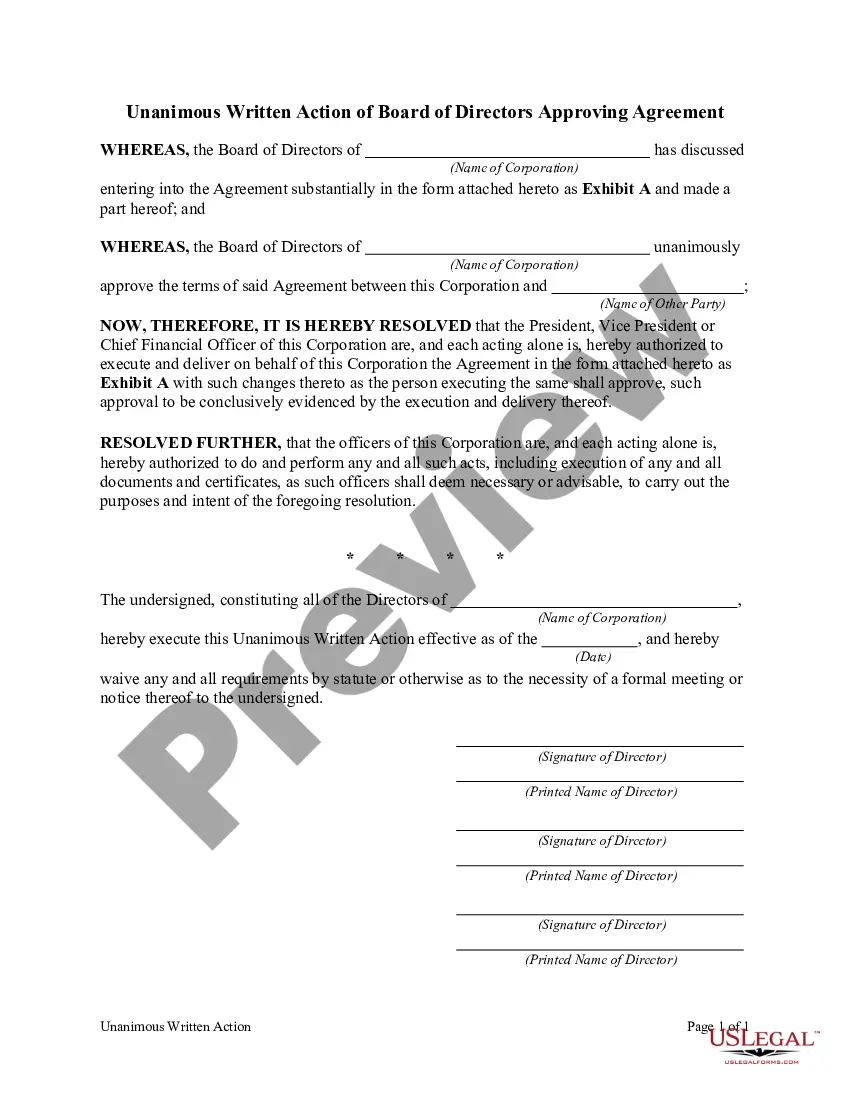
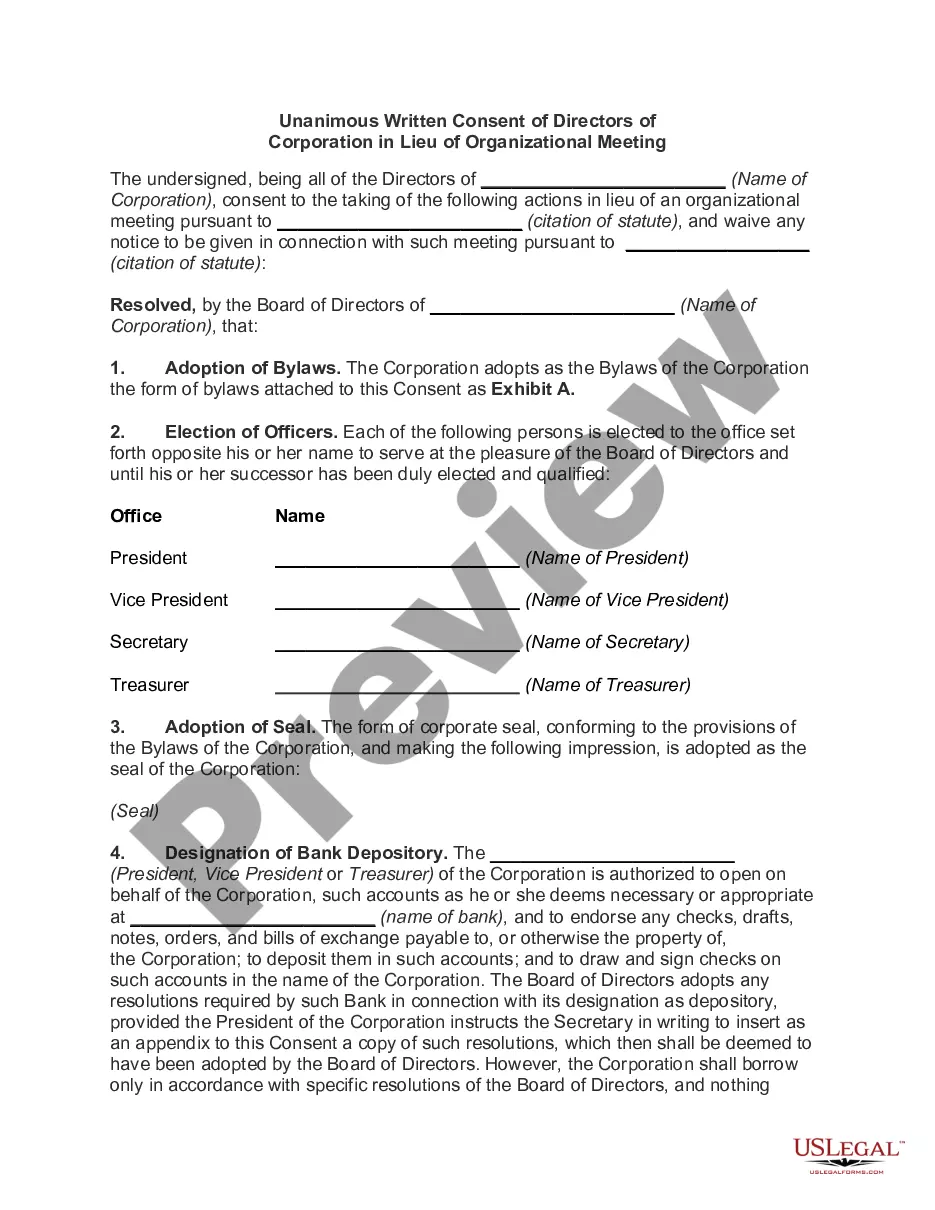
Get your form ready online
Our built-in tools help you complete, sign, share, and store your documents in one place.
Make edits, fill in missing information, and update formatting in US Legal Forms—just like you would in MS Word.
Download a copy, print it, send it by email, or mail it via USPS—whatever works best for your next step.
Sign and collect signatures with our SignNow integration. Send to multiple recipients, set reminders, and more. Go Premium to unlock E-Sign.
If this form requires notarization, complete it online through a secure video call—no need to meet a notary in person or wait for an appointment.
We protect your documents and personal data by following strict security and privacy standards.

Make edits, fill in missing information, and update formatting in US Legal Forms—just like you would in MS Word.

Download a copy, print it, send it by email, or mail it via USPS—whatever works best for your next step.

Sign and collect signatures with our SignNow integration. Send to multiple recipients, set reminders, and more. Go Premium to unlock E-Sign.

If this form requires notarization, complete it online through a secure video call—no need to meet a notary in person or wait for an appointment.

We protect your documents and personal data by following strict security and privacy standards.
Looking for another form?








Form popularity
FAQ
For an ordinary resolution to be passed at the meeting to appoint a director, or directors, such resolution must be supported by more than 50% of the shareholders who are eligible to vote at the meeting.
This is commonly known as a 'silent director'. While there is no general rule that prohibits this, it is important to understand the duties and obligations that arise if you have been appointed a director of a company.
Directors do not have to be shareholders (or guarantors) – their role is to run a company on behalf of its members. However, it is commonplace for members to appoint themselves as directors of their own companies.
If an individual is under restrictions from bankruptcy or a Debt Relief Order, they are generally not allowed to be a company director. Carrying out company business on the instructions of a disqualified individual can lead to personal liability for the company's debts.
Section 168 provides that a company can remove a Director by passing an ordinary resolution at a meeting. Special notice is however required. On receipt of notice of an intended resolution to remove a Director, the company must send a copy of the notice to the Director concerned.
Directors are legally responsible for running the business and ensuring company accounts and reports are properly prepared. Sometimes they are appointed, but if you've set up your own limited company, you will already be a director.
First, you must notify Companies House of your intention to add a director to your company. You can do this using form APO1, which you can either print out, complete, and post to the organisation, or fill it out online through their website.
Who cannot be a company director. In certain circumstances, a person is automatically disqualified from being a company director. This includes, but is not limited to, if they are an undischarged bankrupt or have been convicted of certain types of offences.
Dissolving a New York State not-for-profit corporation requires a plan approved by the New York State Attorney General. Before you take any steps towards dissolving a New York State not-for-profit, contact the Attorney General's office to develop a dissolution plan: (212) 416-8401. charities.bureau@ag.ny.
Any Certificate of Status or status letter obtained from the New York Department of State will reflect that the corporation or LLC is past due in the filing of its Biennial Statement. This may prevent the corporation or LLC from completing certain business transactions.
