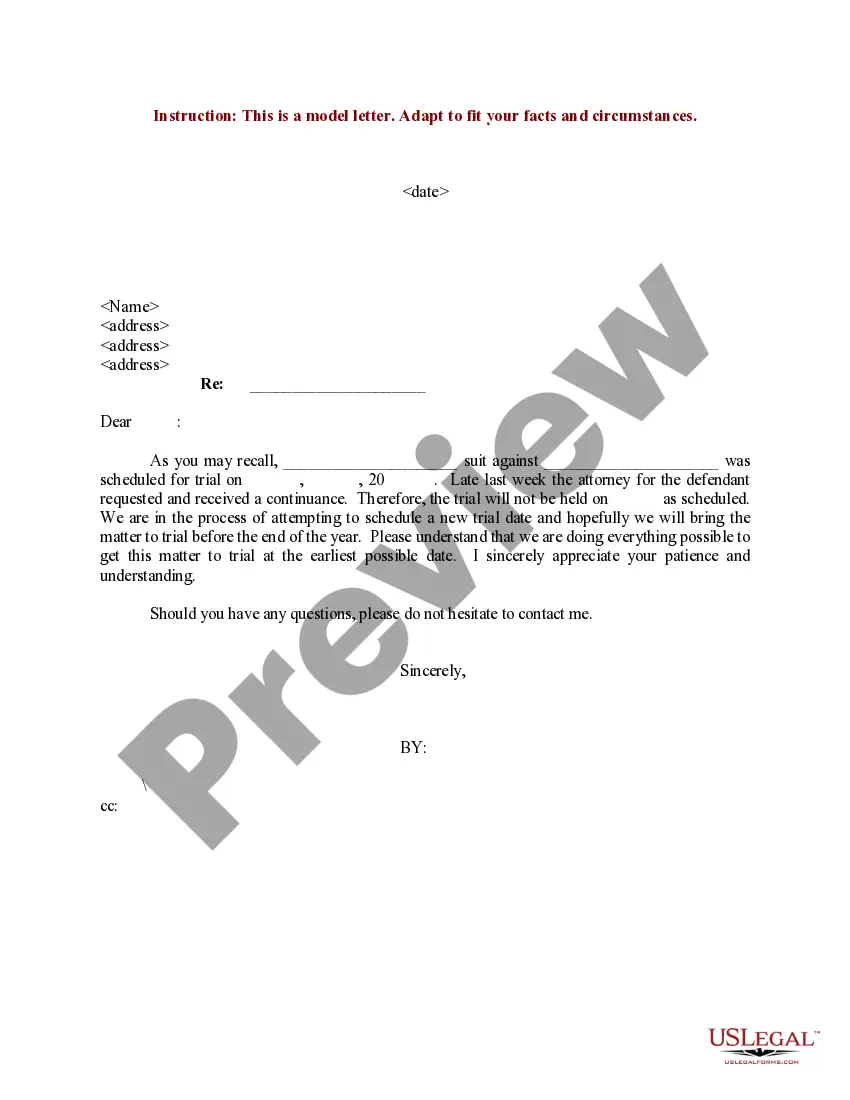
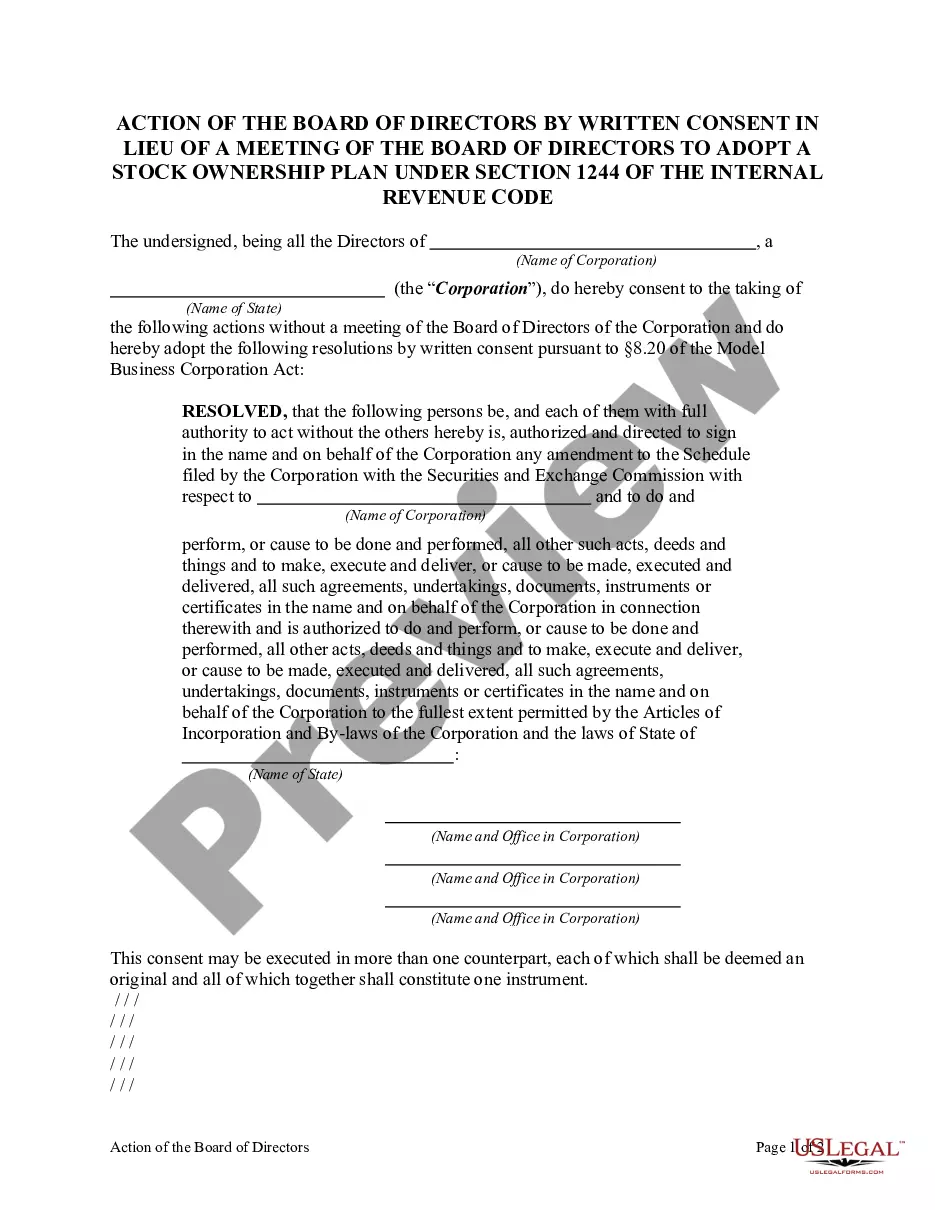
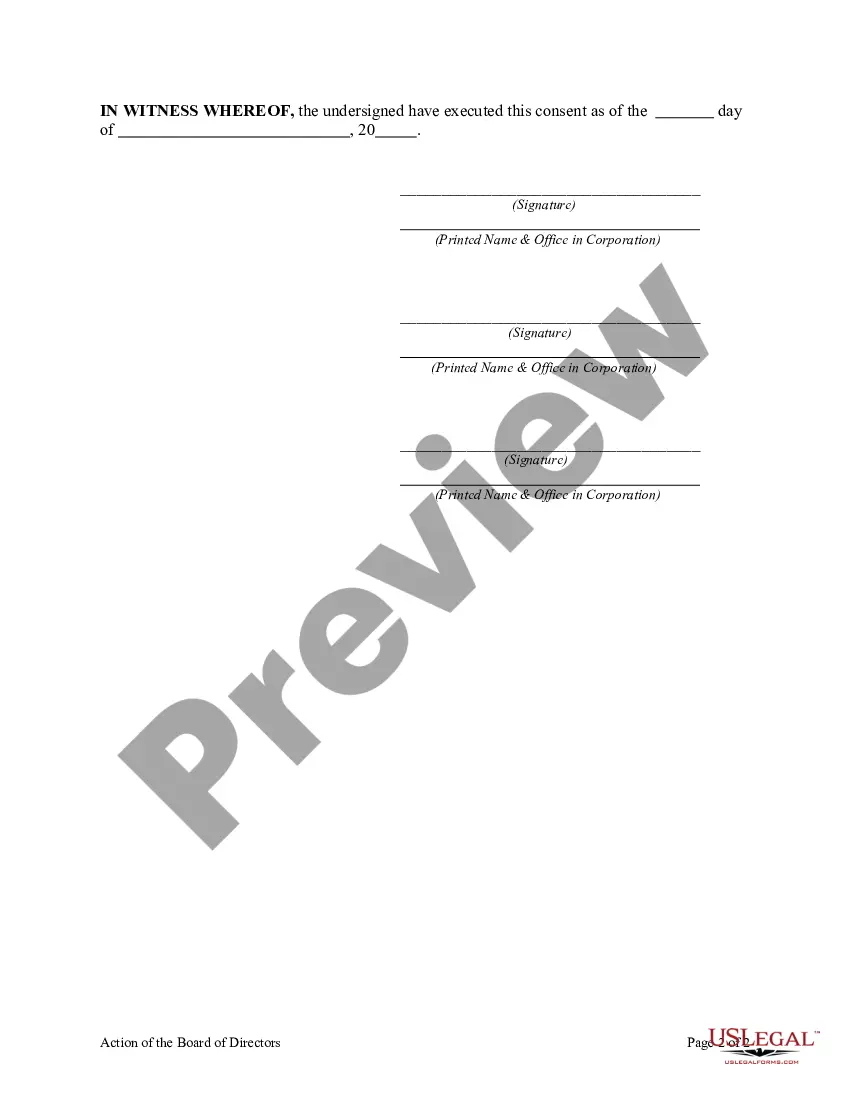
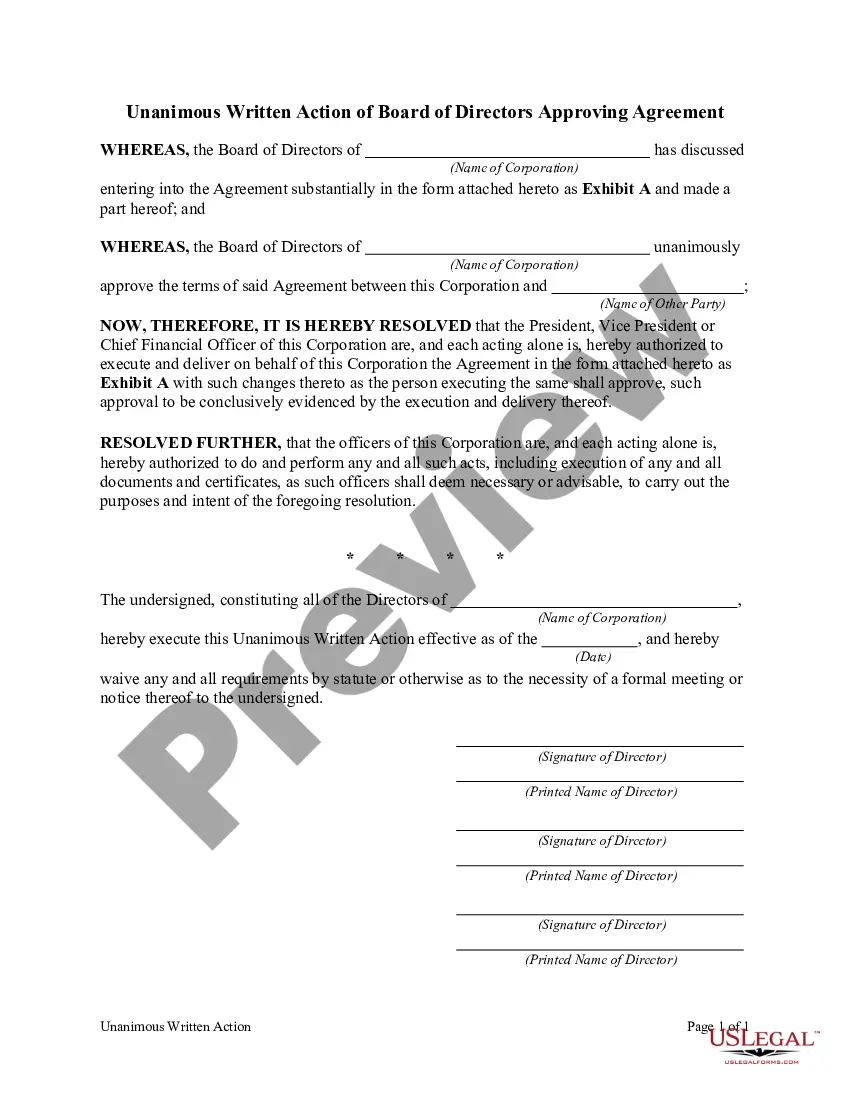
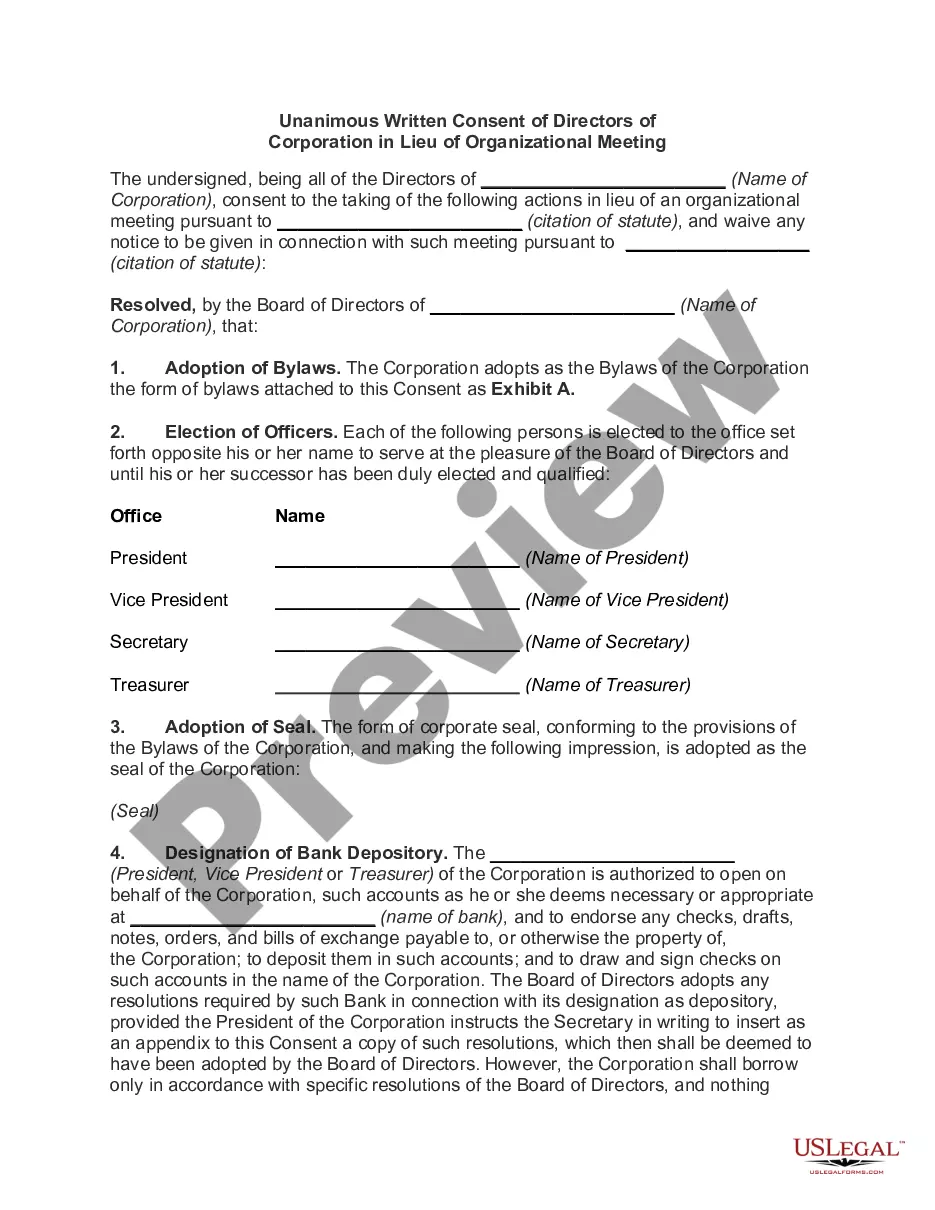
Directors Consent Form Nz In Minnesota
Description

Get your form ready online
Our built-in tools help you complete, sign, share, and store your documents in one place.
Make edits, fill in missing information, and update formatting in US Legal Forms—just like you would in MS Word.
Download a copy, print it, send it by email, or mail it via USPS—whatever works best for your next step.
Sign and collect signatures with our SignNow integration. Send to multiple recipients, set reminders, and more. Go Premium to unlock E-Sign.
If this form requires notarization, complete it online through a secure video call—no need to meet a notary in person or wait for an appointment.
We protect your documents and personal data by following strict security and privacy standards.

Make edits, fill in missing information, and update formatting in US Legal Forms—just like you would in MS Word.

Download a copy, print it, send it by email, or mail it via USPS—whatever works best for your next step.

Sign and collect signatures with our SignNow integration. Send to multiple recipients, set reminders, and more. Go Premium to unlock E-Sign.

If this form requires notarization, complete it online through a secure video call—no need to meet a notary in person or wait for an appointment.

We protect your documents and personal data by following strict security and privacy standards.
Looking for another form?








Form popularity
FAQ
Section 66(7) is clear that a person can act as a director or, in other words, is entitled to serve as such when he or she has, for instance, provided written consent to the company to act as a director.
Subject: Consent to act as a director. I ………………………, hereby give my consent to act as director of ……….. (name of the company), pursuant to sub-section (5) of section 152 of the Companies Act, 2013 and certify that I am not disqualified to become a director under the Companies Act, 2013.
There are strict residency and legal requirements governing who can be a director of a New Zealand company. All New Zealand companies must have at least one director who lives in: New Zealand, or. Australia, and who is a director of a company incorporated in Australia.
What does 'consent to act' mean? As the wording suggests, this means that the person or corporate body being appointed as a director or secretary has given their permission to take on the role in question and understands the duties that come with it.
IN LIGHT OF THE ECONOMIC CRIME & CORPORATE TRANSPARENCY ACT 2023, THIS TEMPLATE IS CURRENTLY UNDER REVIEW. This Director's Consent to Act allows a prospective director to confirm that he/she is a fit and proper person to act as a director of a company.
I hereby consent to act as a director of the Company with effect from the date of this letter. I am not, nor have I been, disqualified from acting as a director of a company, nor have I performed any acts, nor are there any circumstances, pursuant to which I could be so disqualified.
I hereby consent to act as a director of the Company. My consent will continue until I either revoke my consent or resign as a director. I certify that I am not disqualified from acting as a director. Note: Any previous names used in the last 20 years are listed below.
A document with important information about a medical procedure or treatment, a clinical trial, or genetic testing. It also includes information on possible risks and benefits. If a person chooses to take part in the treatment, procedure, trial, or testing, he or she signs the form to give official consent.
Most commonly, directors are appointed by the shareholders at the Annual General Meeting (AGM), or in extreme circumstances, at an Extraordinary General Meeting (EGM). A resolution for the appointment is put to a vote, and passed if a majority of shares are voted in favour.
A shareholder or creditor of the company may apply to the court to appoint 1 or more persons as directors of the company, and the court may make an appointment if it considers that it is in the interests of the company to do so. An appointment may be made on such terms and conditions as the court thinks fit.