Appointed Director Without Consent In Minnesota
Description
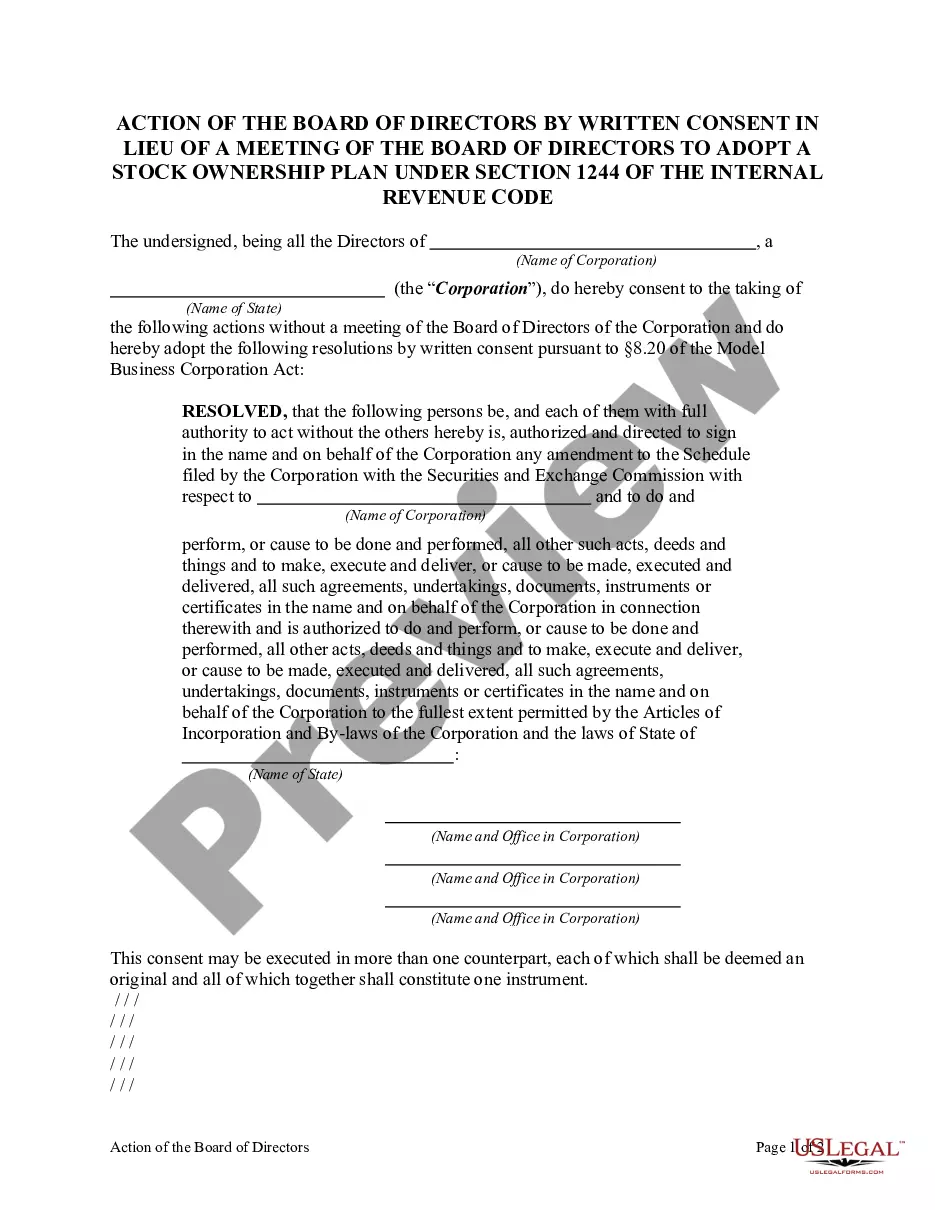
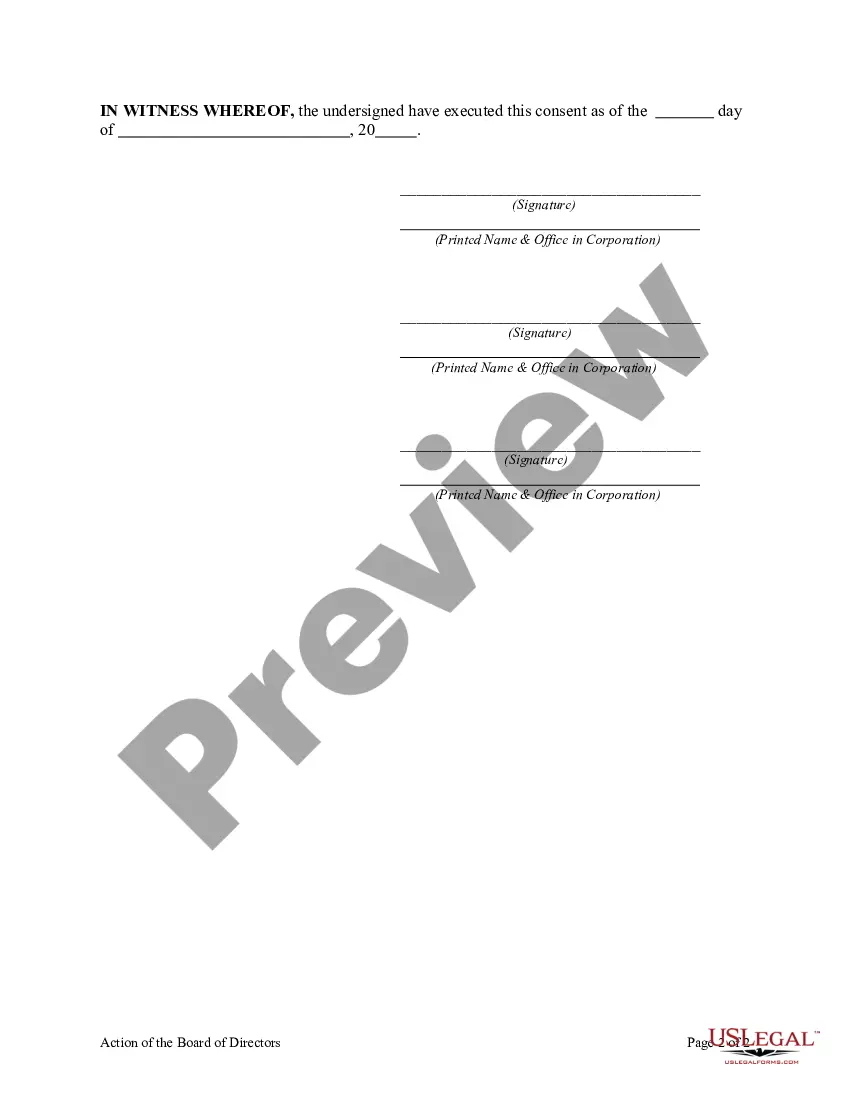
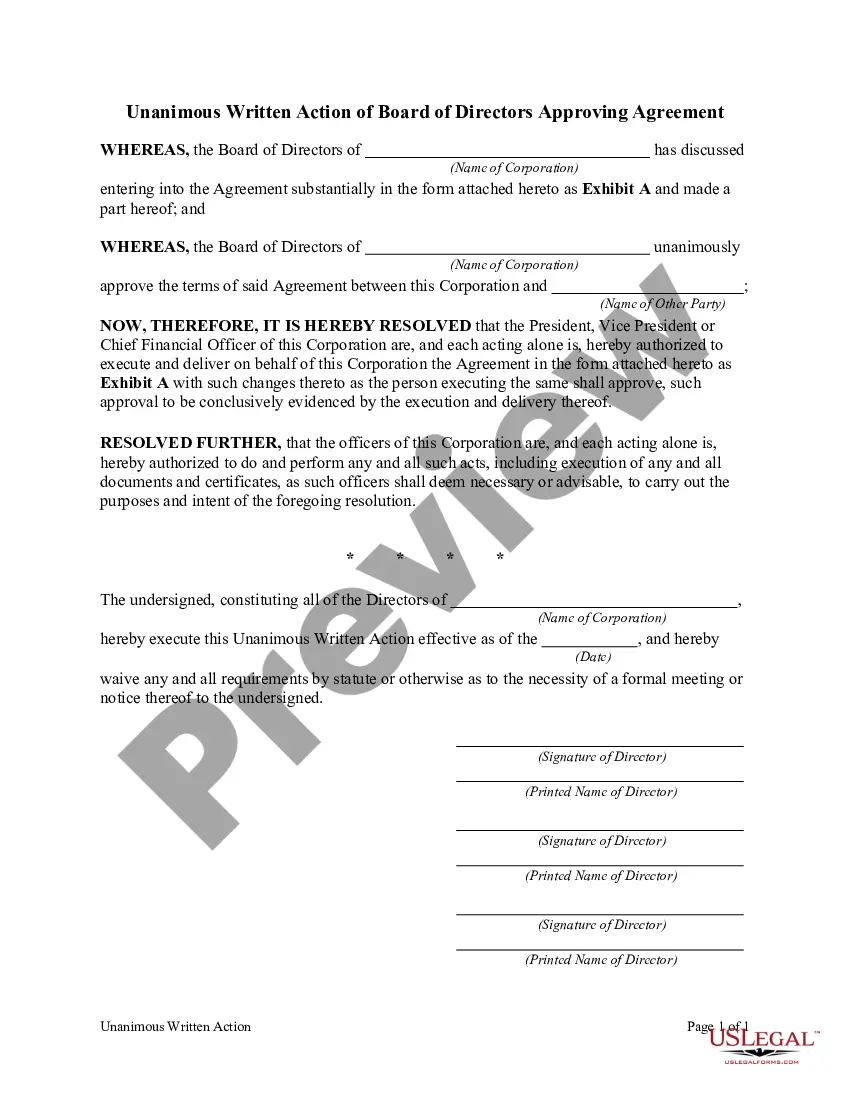
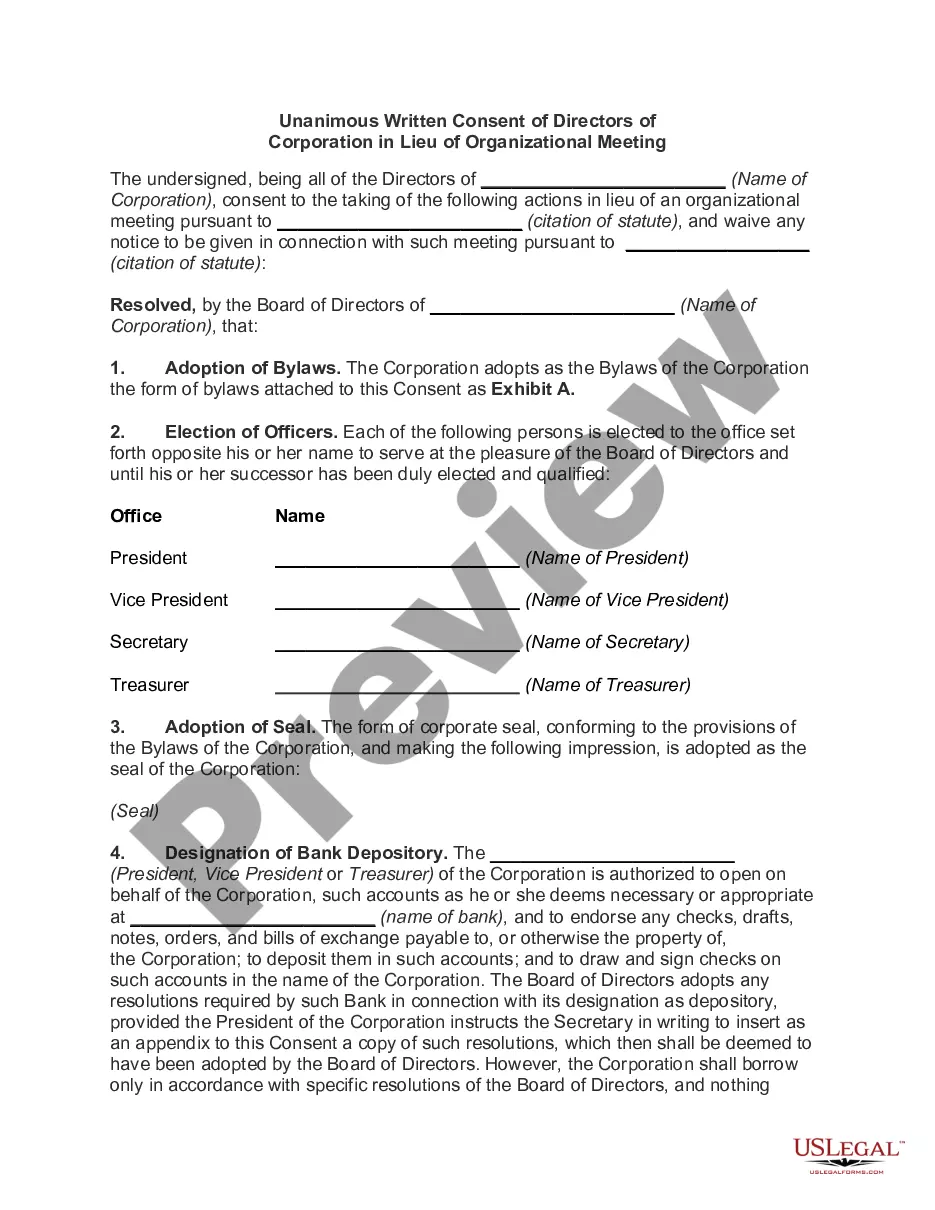
Get your form ready online
Our built-in tools help you complete, sign, share, and store your documents in one place.
Make edits, fill in missing information, and update formatting in US Legal Forms—just like you would in MS Word.
Download a copy, print it, send it by email, or mail it via USPS—whatever works best for your next step.
Sign and collect signatures with our SignNow integration. Send to multiple recipients, set reminders, and more. Go Premium to unlock E-Sign.
If this form requires notarization, complete it online through a secure video call—no need to meet a notary in person or wait for an appointment.
We protect your documents and personal data by following strict security and privacy standards.

Make edits, fill in missing information, and update formatting in US Legal Forms—just like you would in MS Word.

Download a copy, print it, send it by email, or mail it via USPS—whatever works best for your next step.

Sign and collect signatures with our SignNow integration. Send to multiple recipients, set reminders, and more. Go Premium to unlock E-Sign.

If this form requires notarization, complete it online through a secure video call—no need to meet a notary in person or wait for an appointment.

We protect your documents and personal data by following strict security and privacy standards.
Looking for another form?




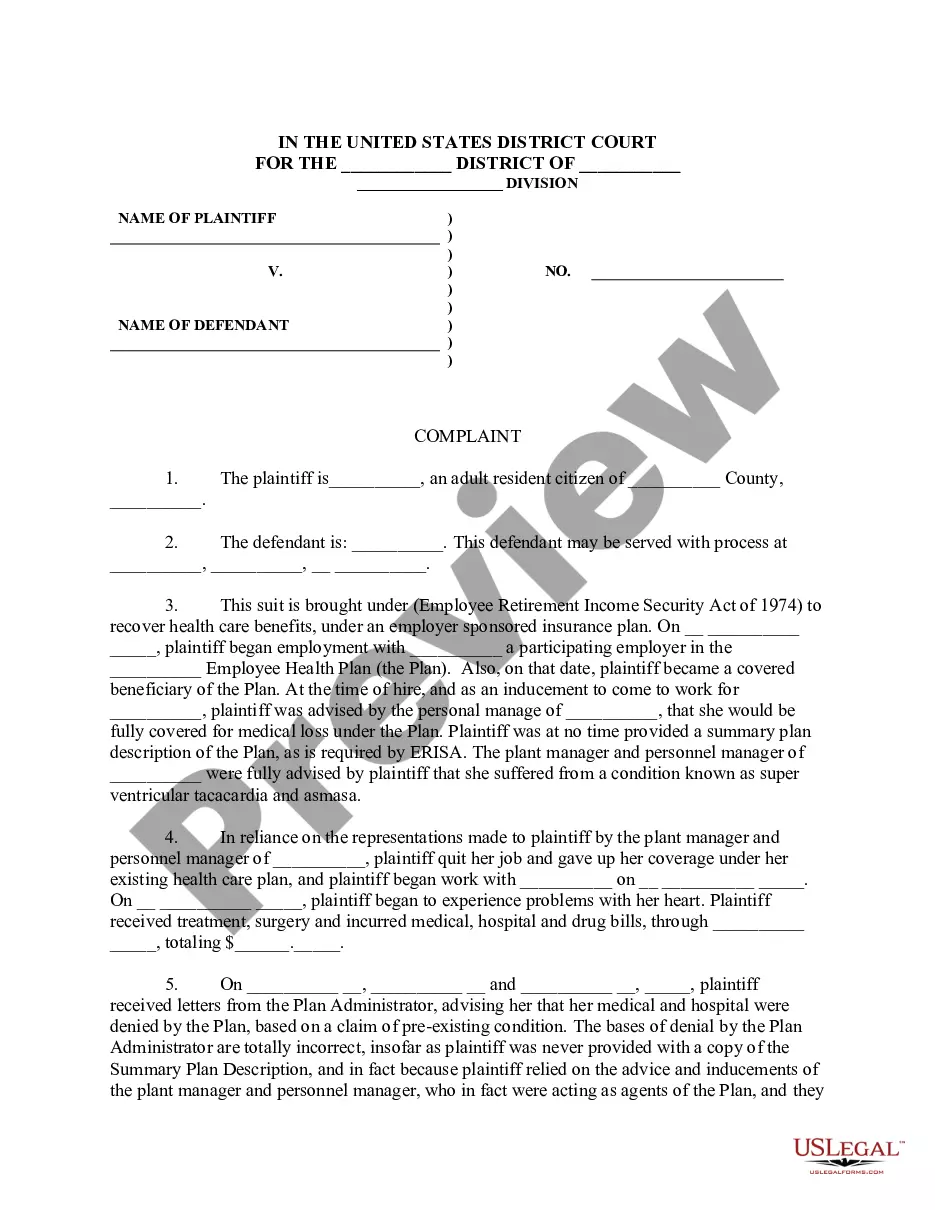





Form popularity
FAQ
In Minnesota, the statute of limitations varies depending on the type of crime. Some crimes, such as those resulting in the death of the victim, sexual assault of an adult or minor, kidnapping, and labor trafficking of an individual under the age of 18, have no statute of limitations.
DEFINITIONS. LEGAL RECOGNITION OF ELECTRONIC RECORDS AND SIGNATURES.
Under Minnesota law, a lawsuit based on an unpaid debt expires if it is not started within six years of when the account was last used or the last payment on the debt, whichever is later.
A corporation may buy and maintain insurance on behalf of a person in that person's official capacity against liability asserted against and incurred by the person in or arising from that capacity, whether or not the corporation would have been required to indemnify the person against the liability under this section.
2. Duty to warn. The duty to predict, warn of, or take reasonable precautions to provide protection from, violent behavior arises only when a client or other person has communicated to the licensee a specific, serious threat of physical violence against a specific, clearly identified or identifiable potential victim.
Summary. Minnesota bars the recording, interception, use or disclosure of any in-person, telephonic or electronic communication without the consent of at least one party to the conversation. The state also prohibits the recording and disclosure of images intercepted in violation of its hidden camera laws.
Minnesota nonprofit organizations are governed by the Minnesota Nonprofit Corporation Act, Minn. Stat. ch. 317A. A nonprofit corporation's purpose and activities must serve the organization's mission to benefit the public, and may not be operated to profit other persons or entities.
Regarding outdoor home surveillance cameras, there are no residential security cameras laws in the United States restricting use on private property. Generally, homeowners can and operate security cameras overlooking their land. However, federal wiretapping laws come into play when audio recording is involved.
