Appointed Director Without Consent In Massachusetts
Description

Get your form ready online
Our built-in tools help you complete, sign, share, and store your documents in one place.
Make edits, fill in missing information, and update formatting in US Legal Forms—just like you would in MS Word.
Download a copy, print it, send it by email, or mail it via USPS—whatever works best for your next step.
Sign and collect signatures with our SignNow integration. Send to multiple recipients, set reminders, and more. Go Premium to unlock E-Sign.
If this form requires notarization, complete it online through a secure video call—no need to meet a notary in person or wait for an appointment.
We protect your documents and personal data by following strict security and privacy standards.

Make edits, fill in missing information, and update formatting in US Legal Forms—just like you would in MS Word.

Download a copy, print it, send it by email, or mail it via USPS—whatever works best for your next step.

Sign and collect signatures with our SignNow integration. Send to multiple recipients, set reminders, and more. Go Premium to unlock E-Sign.

If this form requires notarization, complete it online through a secure video call—no need to meet a notary in person or wait for an appointment.

We protect your documents and personal data by following strict security and privacy standards.
Looking for another form?








Form popularity
FAQ
Whenever any change is made in the directors or in the president, treasurer or secretary of a corporation, the corporation shall forthwith file in the office of the state secretary a certificate of the change signed under the penalties of perjury by the clerk or an assistant clerk.
A “quorum” is defined as “a simple majority of the members of the public body, unless otherwise provided in a general or special law, executive order or other authorizing provision.” G.L. c. 30A, § 18.
In the case of a public company, the quorum is: Five members present at the meeting if the number of members is within one thousand. Fifteen members present at the meeting if the number of members is more than one thousand but within five thousand.
Director information The following are the Massachusetts requirements for directors of corporations: Minimum number. Corporations must have no fewer than three directors, unless there are two or fewer shareholders. In such case, there may be one or two directors.
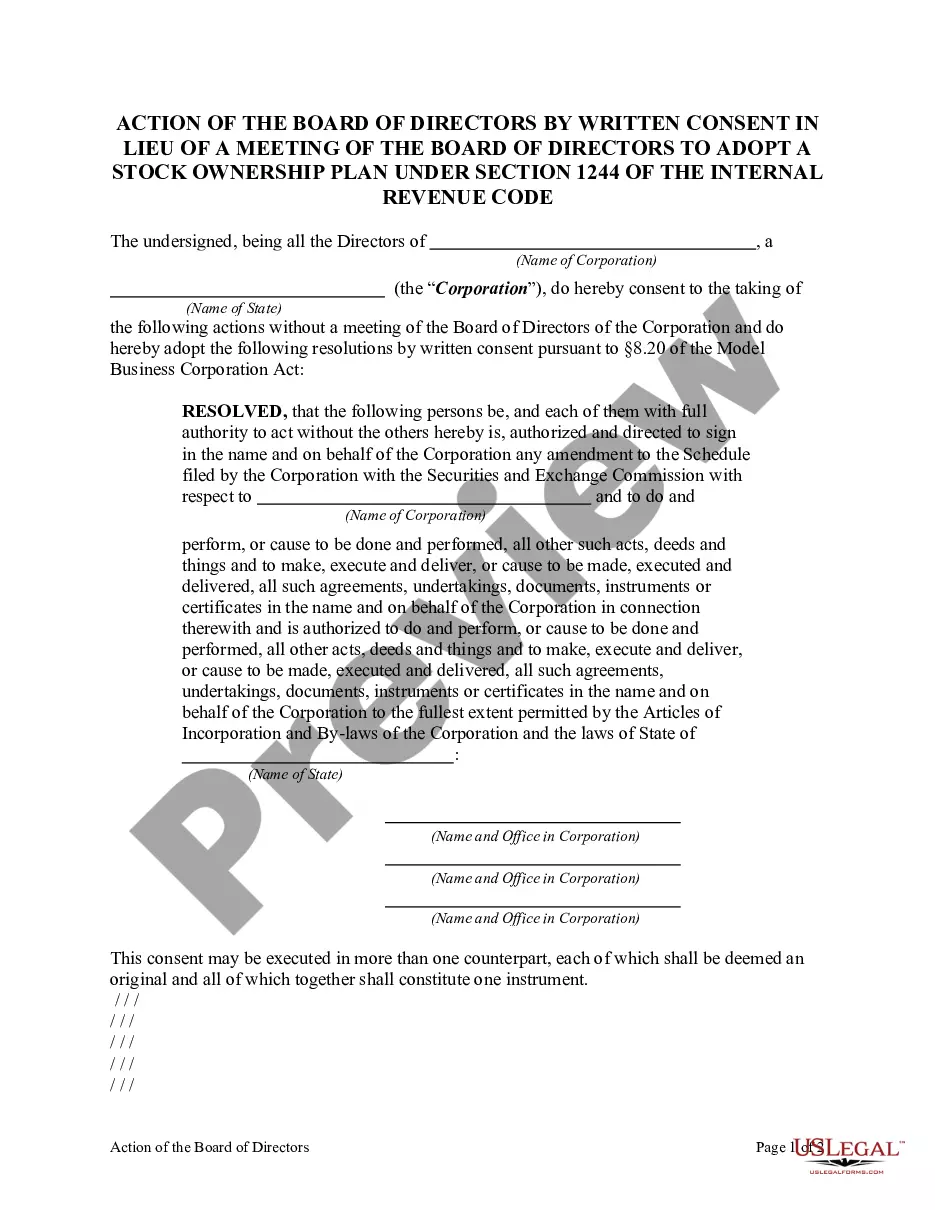
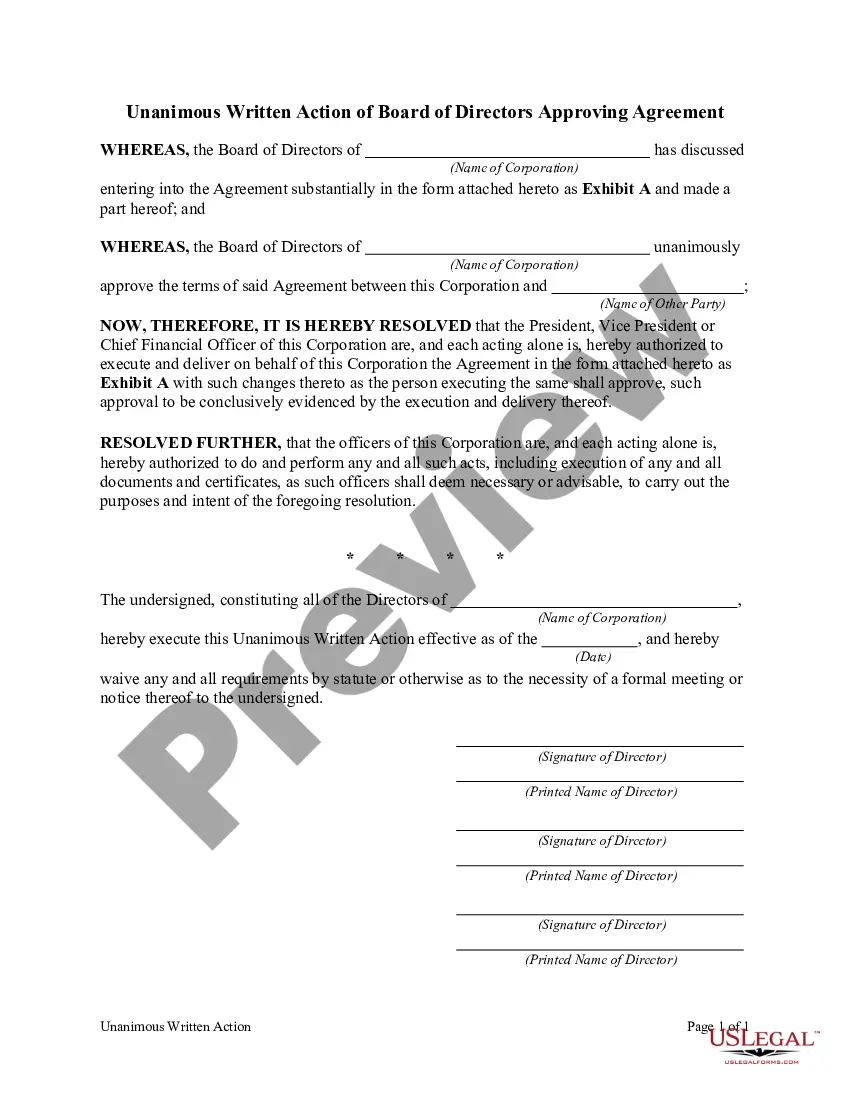
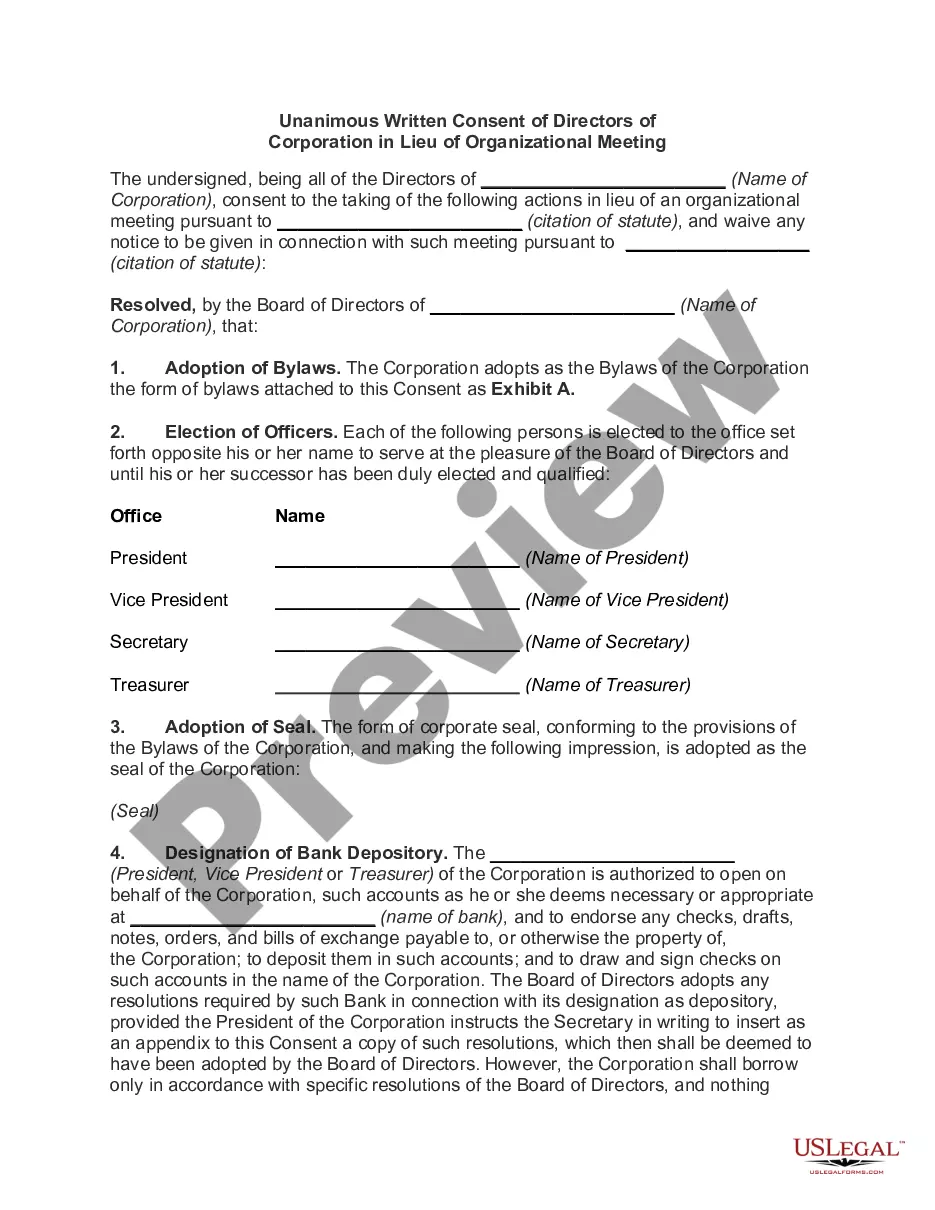
A form of unanimous written consent of the board of directors for a Massachusetts corporation to use when the board of directors takes action without a formal board meeting.
By default, a quorum is still measured as four (4) members. EX 2 A general law creates a seven (7) member public body and states that a quorum of that body shall be a majority of the members serving on the body.
Quorum Required for a General Meeting 15 members to be present if as on the date of the meeting there are more that one thousand members but less than five thousand members. 30 members to be present if as on the date of the meeting there are more than five thousand members.
While the percentage that constitutes a quorum varies by organization. Common practices include: Simple majority: Often defined as more than 50% of voting members. State law requirements: Some states mandate minimum percentages, often around one-third for nonprofits.
In Massachusetts, specifically, wiretapping is a felony. The penalties are as follows: Commiting or attempting to commit the interception - penalty is up to five years in a state prison or up to 2.5 years in jail, or a fine of up to $10,000, or a combination of imprisonment and fine.
