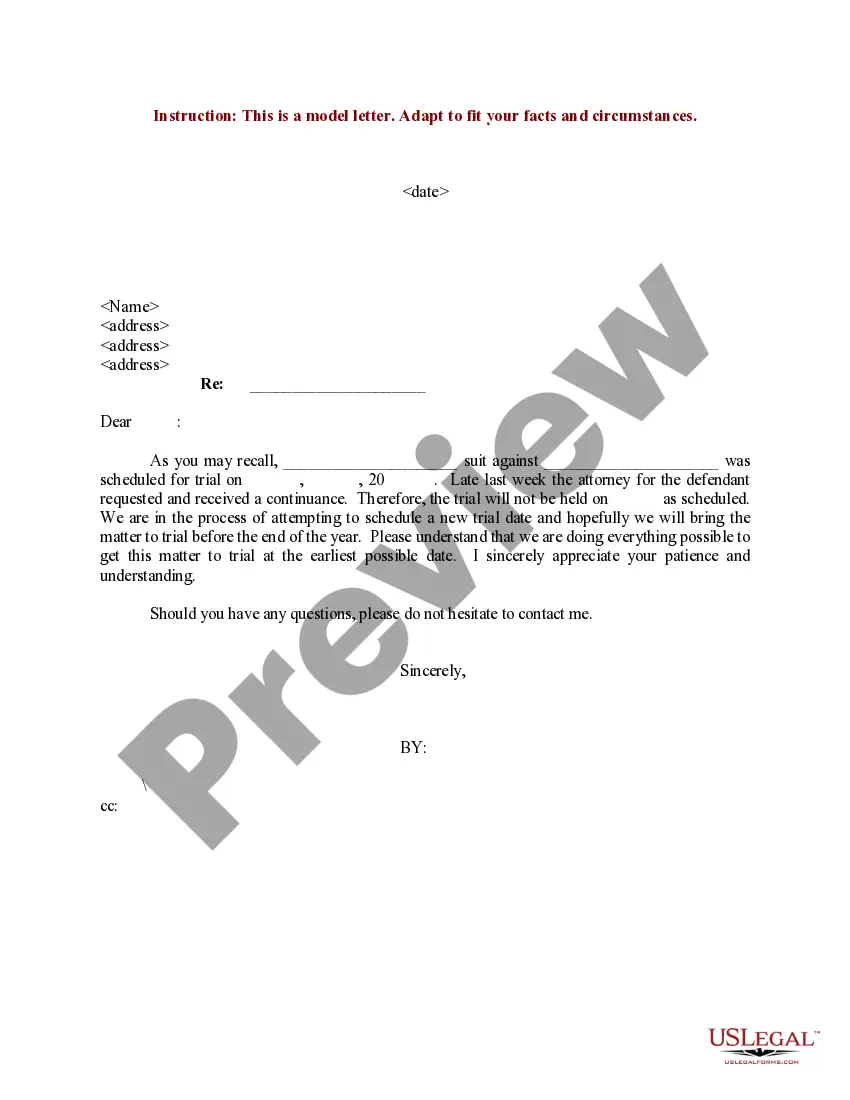
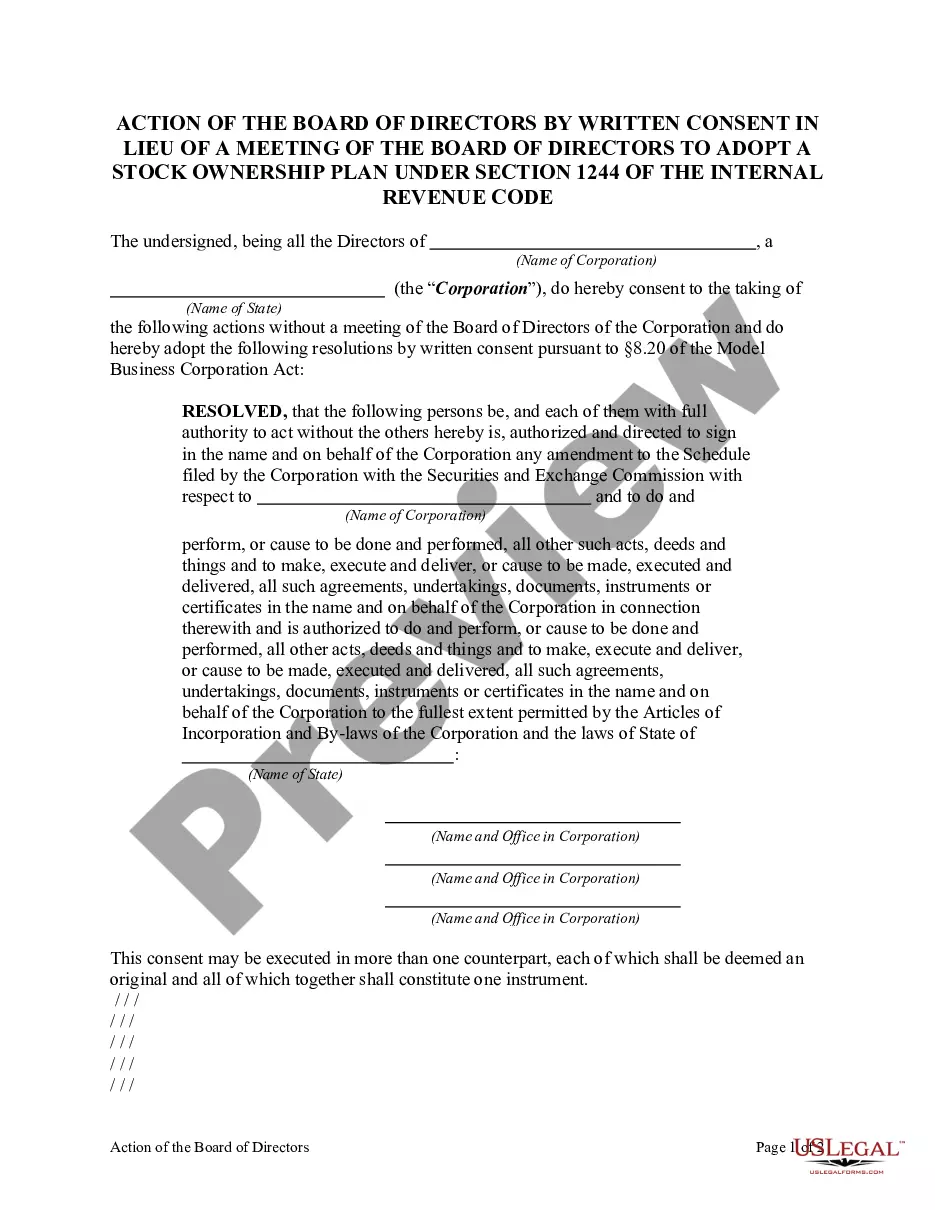
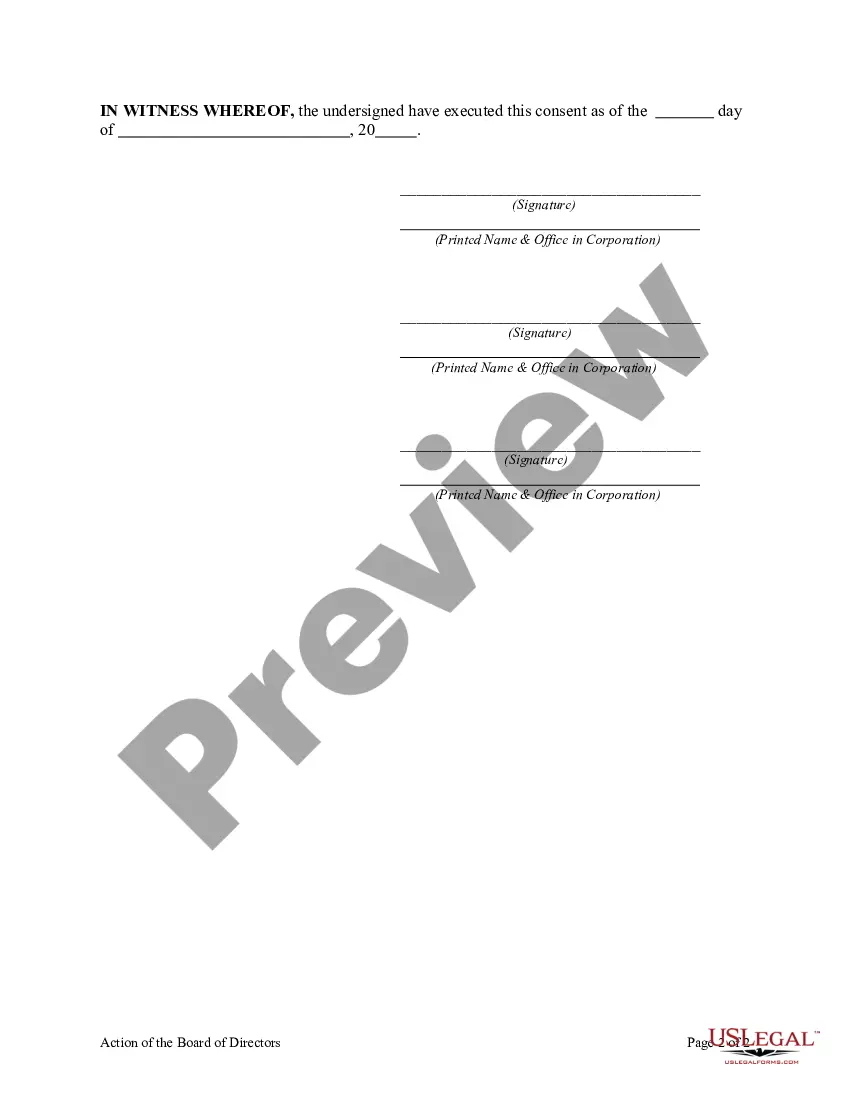
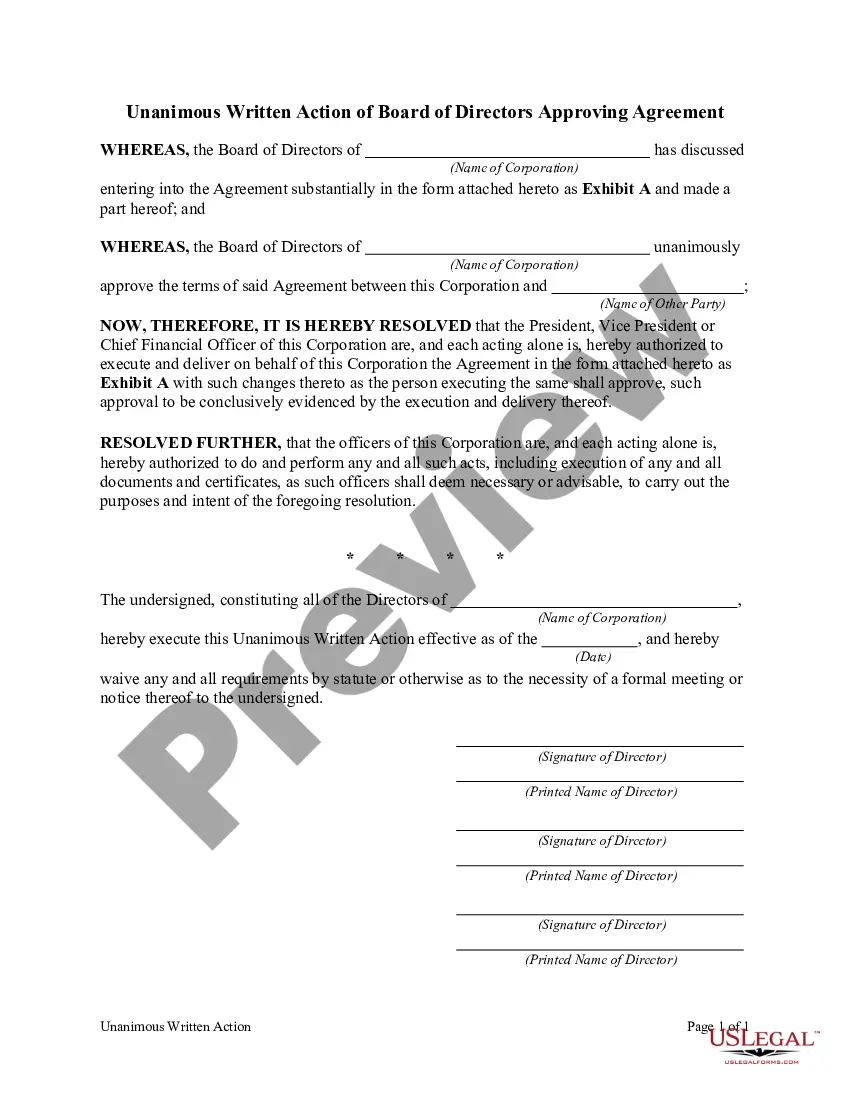
Director Consent Form Existing Company In King
Description

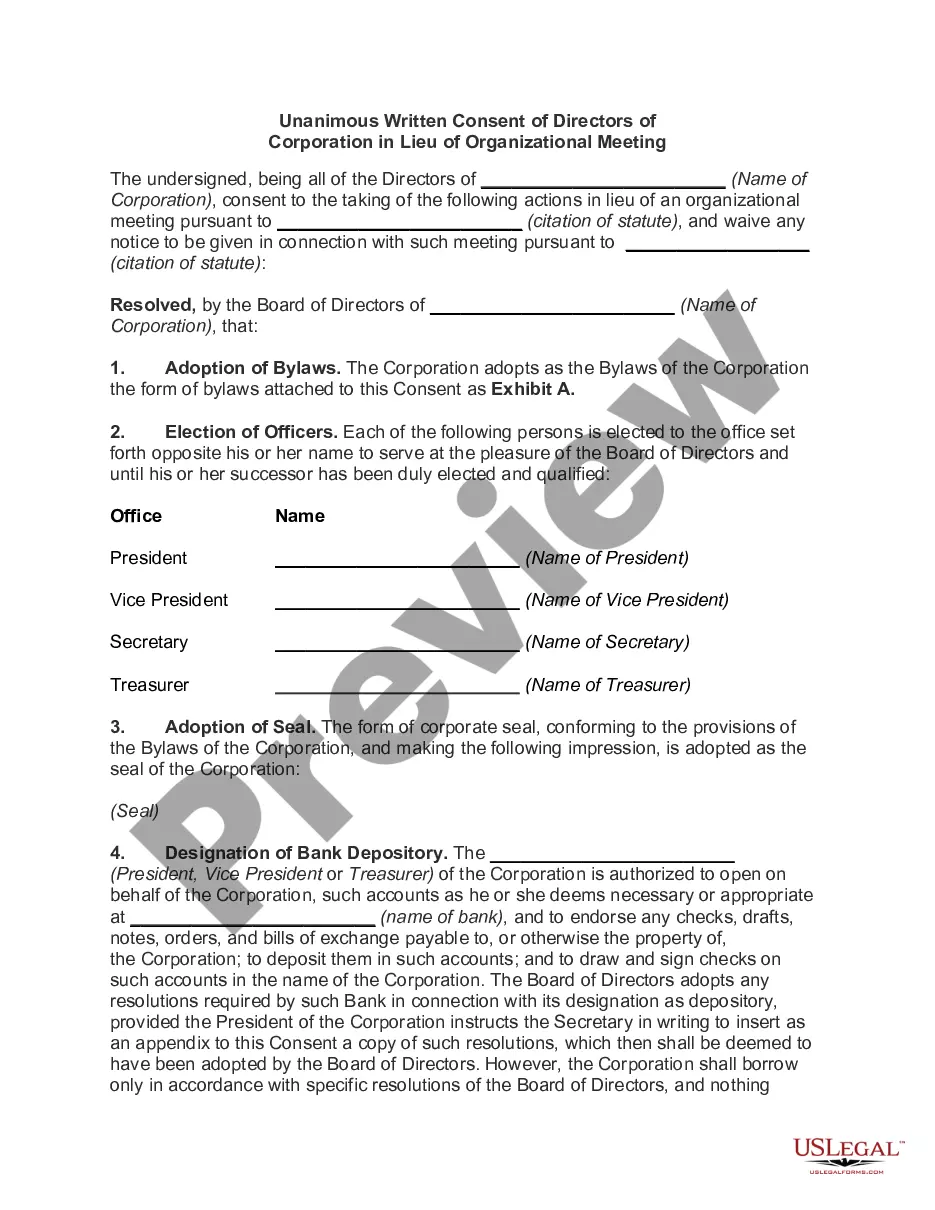
Get your form ready online
Our built-in tools help you complete, sign, share, and store your documents in one place.
Make edits, fill in missing information, and update formatting in US Legal Forms—just like you would in MS Word.
Download a copy, print it, send it by email, or mail it via USPS—whatever works best for your next step.
Sign and collect signatures with our SignNow integration. Send to multiple recipients, set reminders, and more. Go Premium to unlock E-Sign.
If this form requires notarization, complete it online through a secure video call—no need to meet a notary in person or wait for an appointment.
We protect your documents and personal data by following strict security and privacy standards.

Make edits, fill in missing information, and update formatting in US Legal Forms—just like you would in MS Word.

Download a copy, print it, send it by email, or mail it via USPS—whatever works best for your next step.

Sign and collect signatures with our SignNow integration. Send to multiple recipients, set reminders, and more. Go Premium to unlock E-Sign.

If this form requires notarization, complete it online through a secure video call—no need to meet a notary in person or wait for an appointment.

We protect your documents and personal data by following strict security and privacy standards.
Looking for another form?









Form popularity
FAQ
What is a director's consent? In a director's consent an individual agrees in writing to be a director of a nonprofit. Every director who is elected or appointed needs to sign a consent. The consent needs to be signed within 10 days of being elected or appointed as a director.
Section 66(7) is clear that a person can act as a director or, in other words, is entitled to serve as such when he or she has, for instance, provided written consent to the company to act as a director.
A statement saying that they agree to act as a director of the nonprofit. the date on which they will begin to serve as director.
I hereby consent to act as a director of the Company with effect from the date of this letter. I am not, nor have I been, disqualified from acting as a director of a company, nor have I performed any acts, nor are there any circumstances, pursuant to which I could be so disqualified.
The statutory provision allowing any director to be removed from office by ordinary resolution of the shareholders is in Section 168 of the Companies Act 2006 (CA06). Importantly, the resolution must be proposed at a formal shareholders' meeting and cannot be passed as a written resolution.
The act of giving consent means that a person intends to allow, approve, agree, or is willing to comply with something. A consent form is a document that is signed by a person (or on behalf of the person whom they are a guardian) to show that they are in agreement with the contents of the document.
Here's how to become the director of a company in six generalised steps: Finish your higher education. Undergo professional training. Gain relevant business experience. Seek industry mentors. Network with key investors. Consider upskilling your skill set.
A standard document providing a specimen form of notice of willingness or consent to be appointed and act as a director of the company.
Here's how to become the director of a company in six generalised steps: Finish your higher education. Undergo professional training. Gain relevant business experience. Seek industry mentors. Network with key investors. Consider upskilling your skill set.
The minimum qualifications for appointing a director typically include being of legal age (usually 18 years or older), being of sound mind, and not being disqualified under applicable laws. Specific requirements can vary by jurisdiction and are outlined in the relevant company laws.