Appointed Director Without Consent In Harris
Description
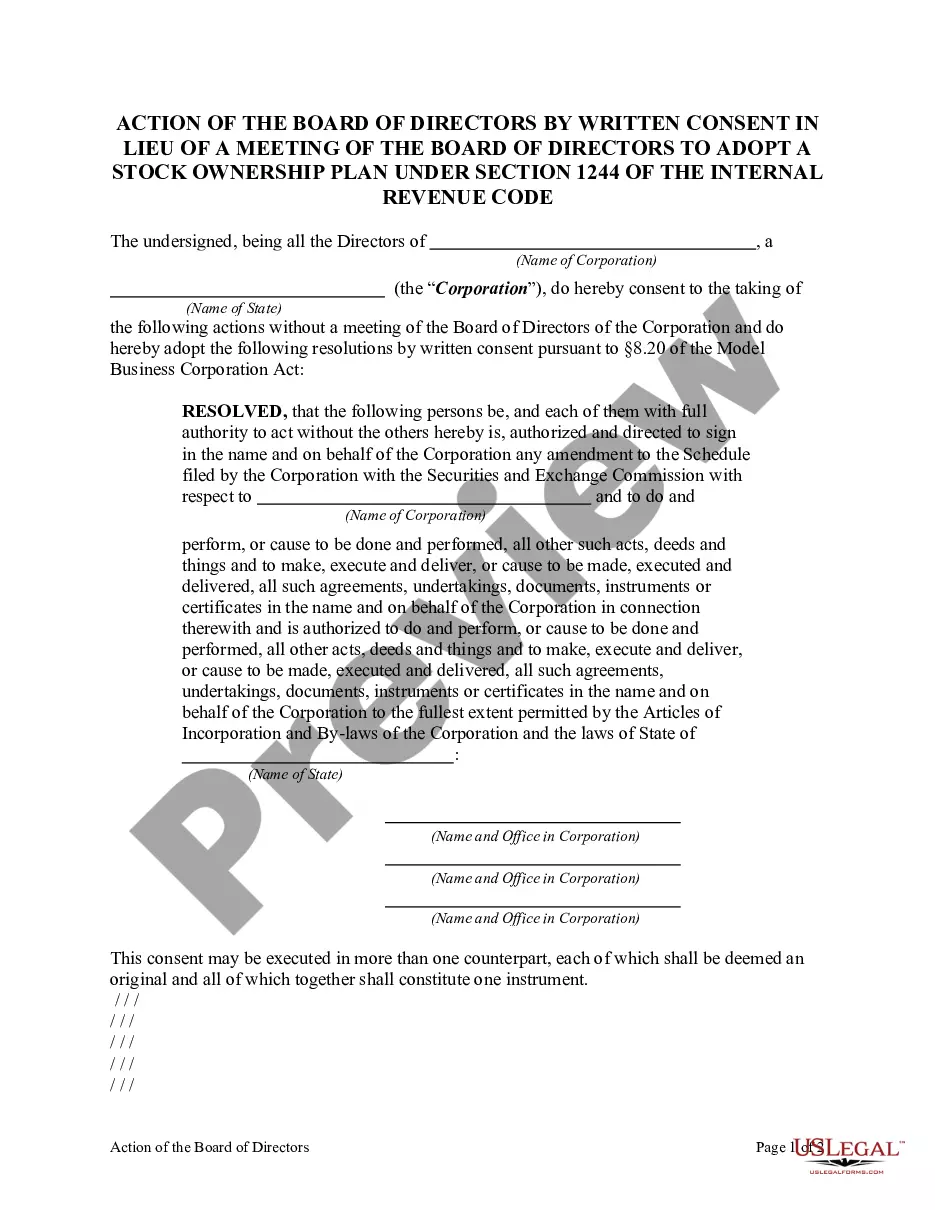
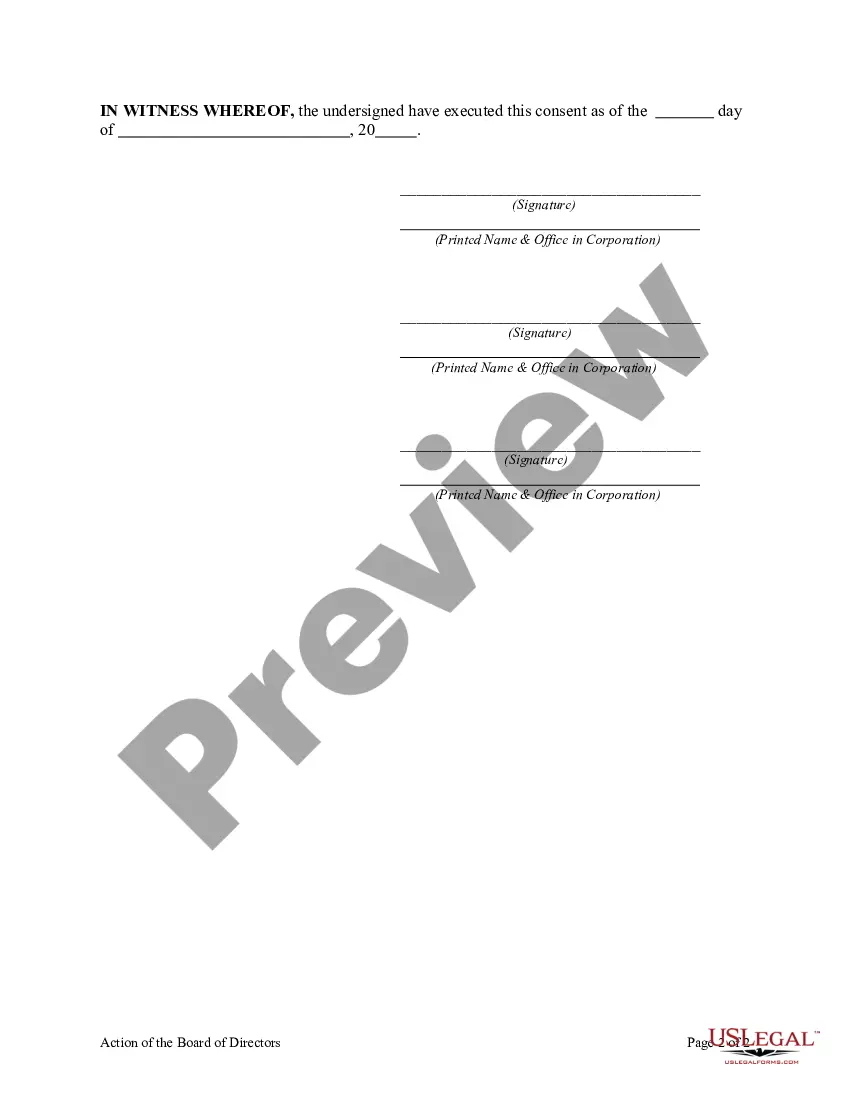

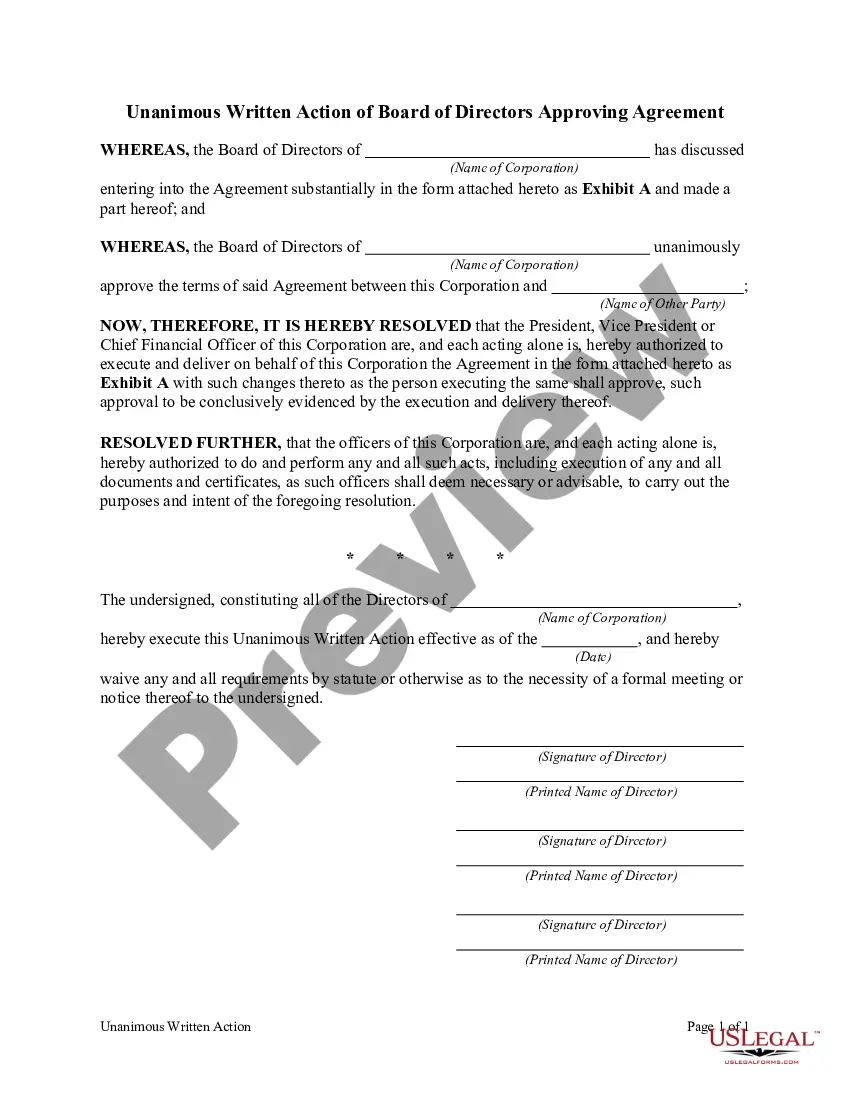
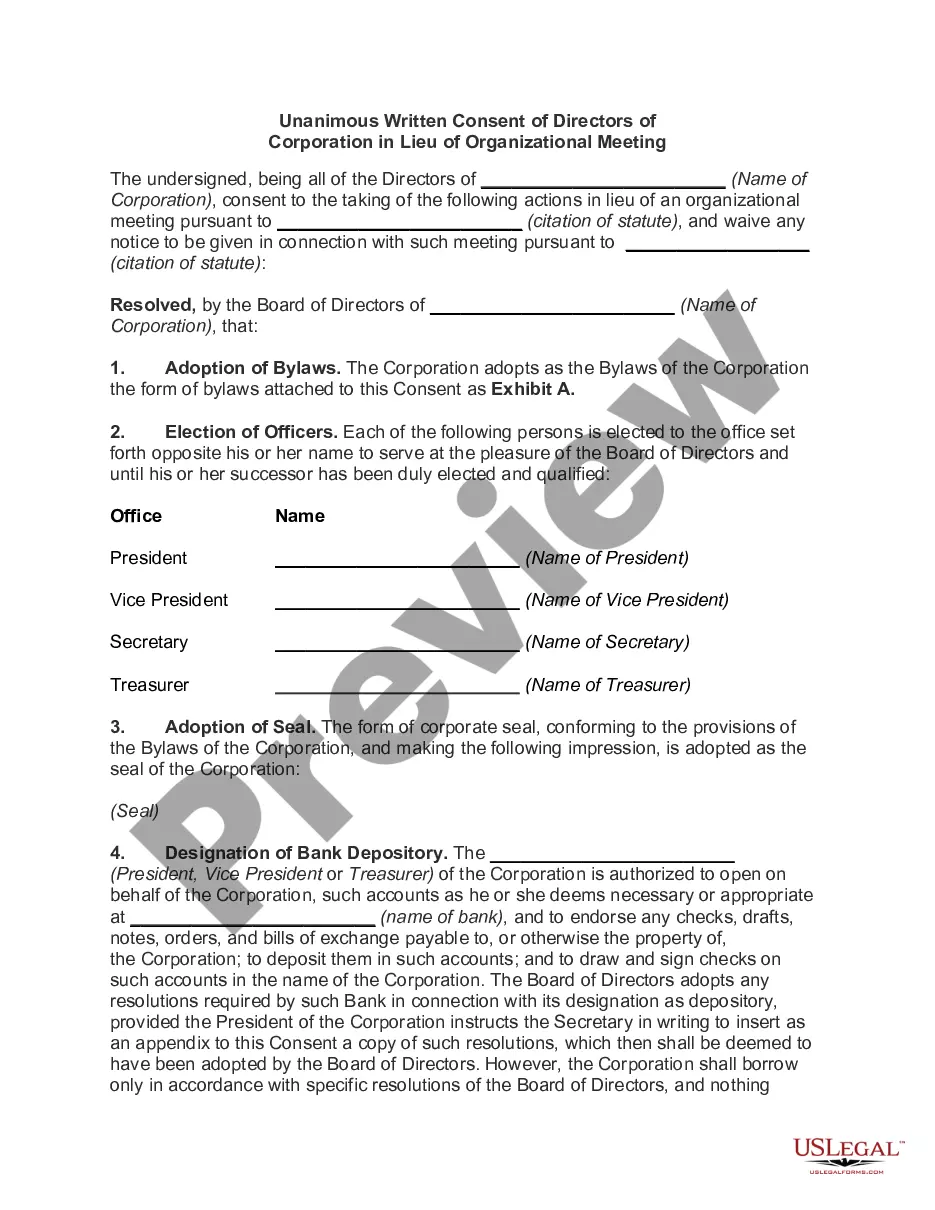
Get your form ready online
Our built-in tools help you complete, sign, share, and store your documents in one place.
Make edits, fill in missing information, and update formatting in US Legal Forms—just like you would in MS Word.
Download a copy, print it, send it by email, or mail it via USPS—whatever works best for your next step.
Sign and collect signatures with our SignNow integration. Send to multiple recipients, set reminders, and more. Go Premium to unlock E-Sign.
If this form requires notarization, complete it online through a secure video call—no need to meet a notary in person or wait for an appointment.
We protect your documents and personal data by following strict security and privacy standards.

Make edits, fill in missing information, and update formatting in US Legal Forms—just like you would in MS Word.

Download a copy, print it, send it by email, or mail it via USPS—whatever works best for your next step.

Sign and collect signatures with our SignNow integration. Send to multiple recipients, set reminders, and more. Go Premium to unlock E-Sign.

If this form requires notarization, complete it online through a secure video call—no need to meet a notary in person or wait for an appointment.

We protect your documents and personal data by following strict security and privacy standards.
Looking for another form?









Form popularity
FAQ
A director can be removed without their consent under certain conditions, usually, governed by a company's bylaws, shareholders' agreements, and local jurisdiction. Here are common methods for director removal: Shareholder Vote - In many jurisdictions, directors can be removed by a majority vote of the shareholders.
What is a director's consent? In a director's consent an individual agrees in writing to be a director of a nonprofit. Every director who is elected or appointed needs to sign a consent. The consent needs to be signed within 10 days of being elected or appointed as a director.
For an ordinary resolution to be passed at the meeting to appoint a director, or directors, such resolution must be supported by more than 50% of the shareholders who are eligible to vote at the meeting.
A director may be removed by: An ordinary resolution adopted at a shareholders' meeting by the persons entitled to exercise voting rights in the election of that director.
Removal of Director The most common methods of removal include voluntary resignation or rotation. An extraordinary resolution, requiring a vote of at least three-fourths (75%) of eligible members, is necessary for the removal of a director.
Shareholder Vote - In many jurisdictions, directors can be removed by a majority vote of the shareholders. If the company's bylaws allow, shareholders can call a meeting and vote to remove the director, even if they do not consent.
Section 168 provides that a company can remove a Director by passing an ordinary resolution at a meeting. Special notice is however required. On receipt of notice of an intended resolution to remove a Director, the company must send a copy of the notice to the Director concerned.
Step 1: The proposed director should obtain a DSC if they do not have a DSC. Step 2: The proposed director should obtain a DIN in Form DIR-3 if they do not have an active DIN. Step 3: The company should conduct a general meeting to pass a resolution for appointing the new director.
Is it necessary to get a shareholder as a director of a company? No, the director is not required to hold the company shares. A person with no company shares can also be appointed as a director unless the AOA specifies that the company director must have shares in the company.
