Directors Rules In California
Description
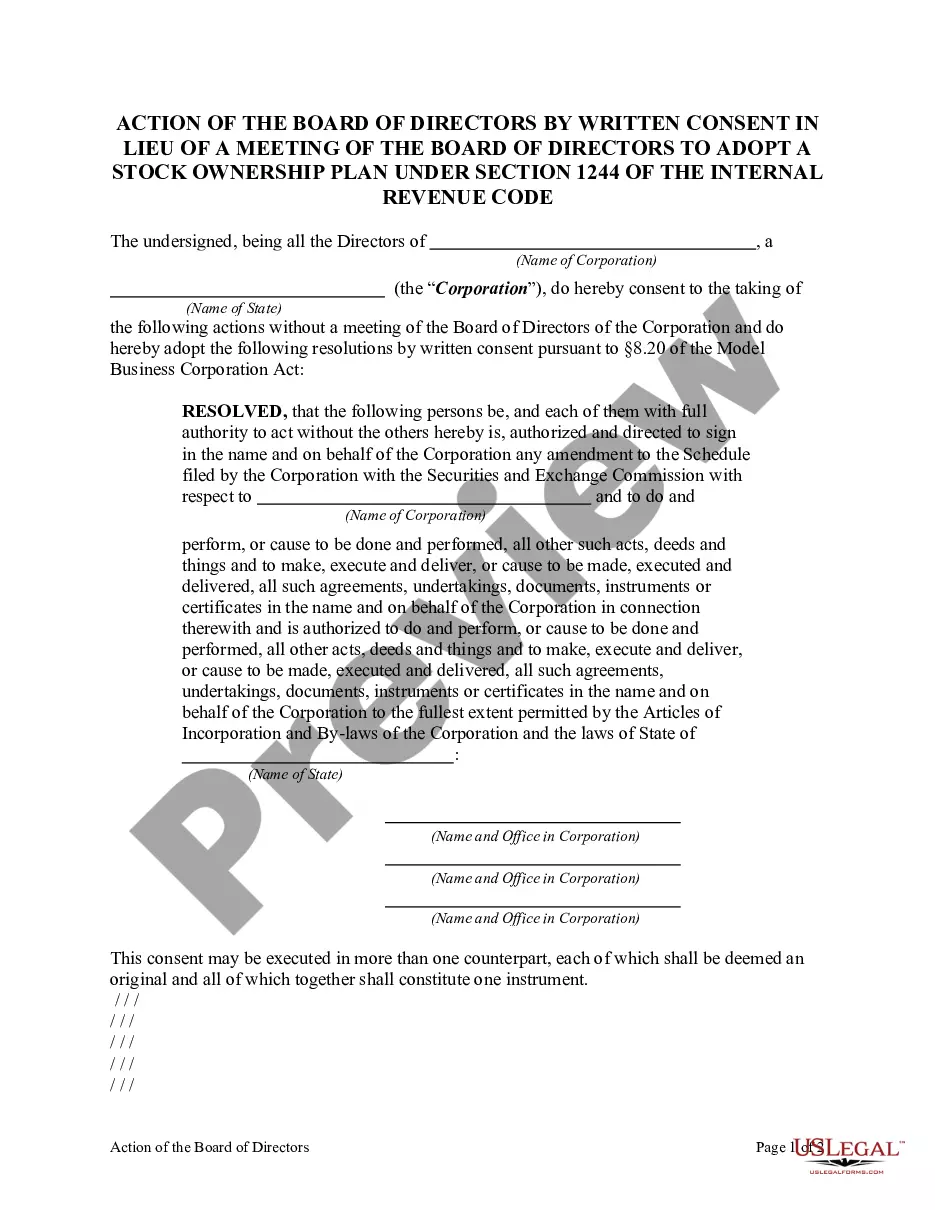


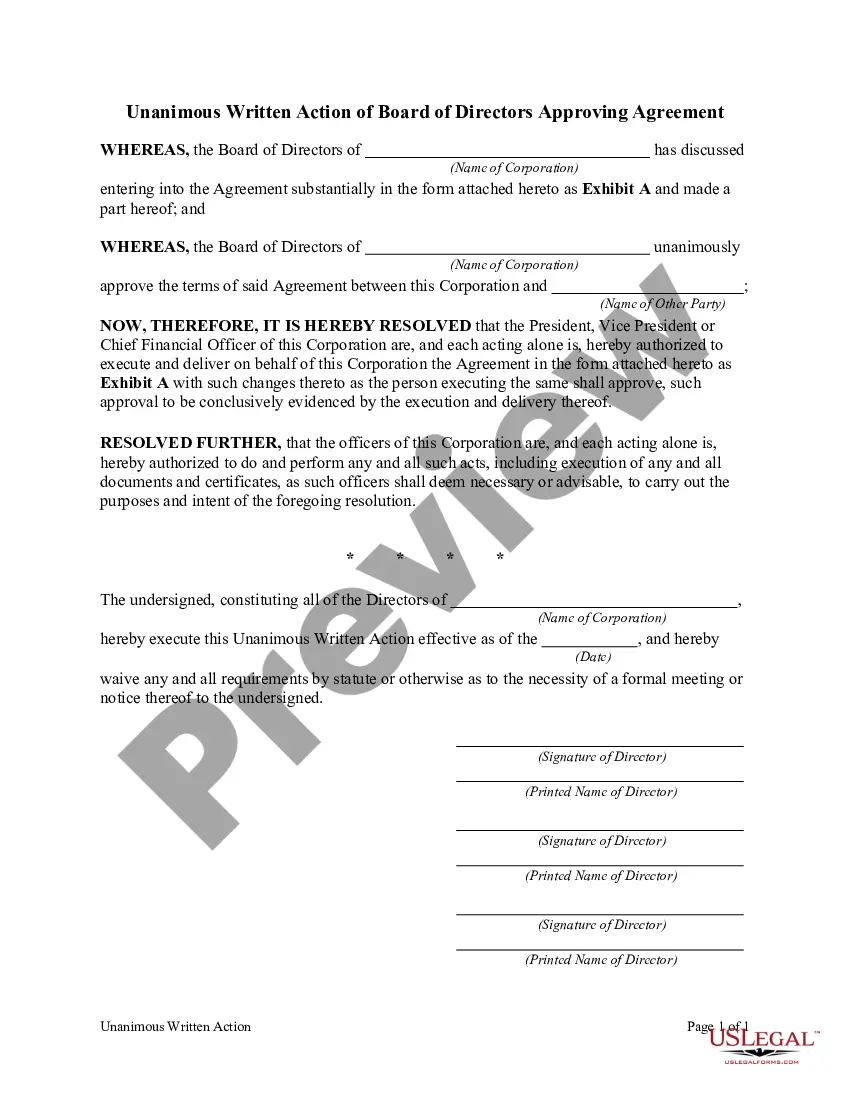
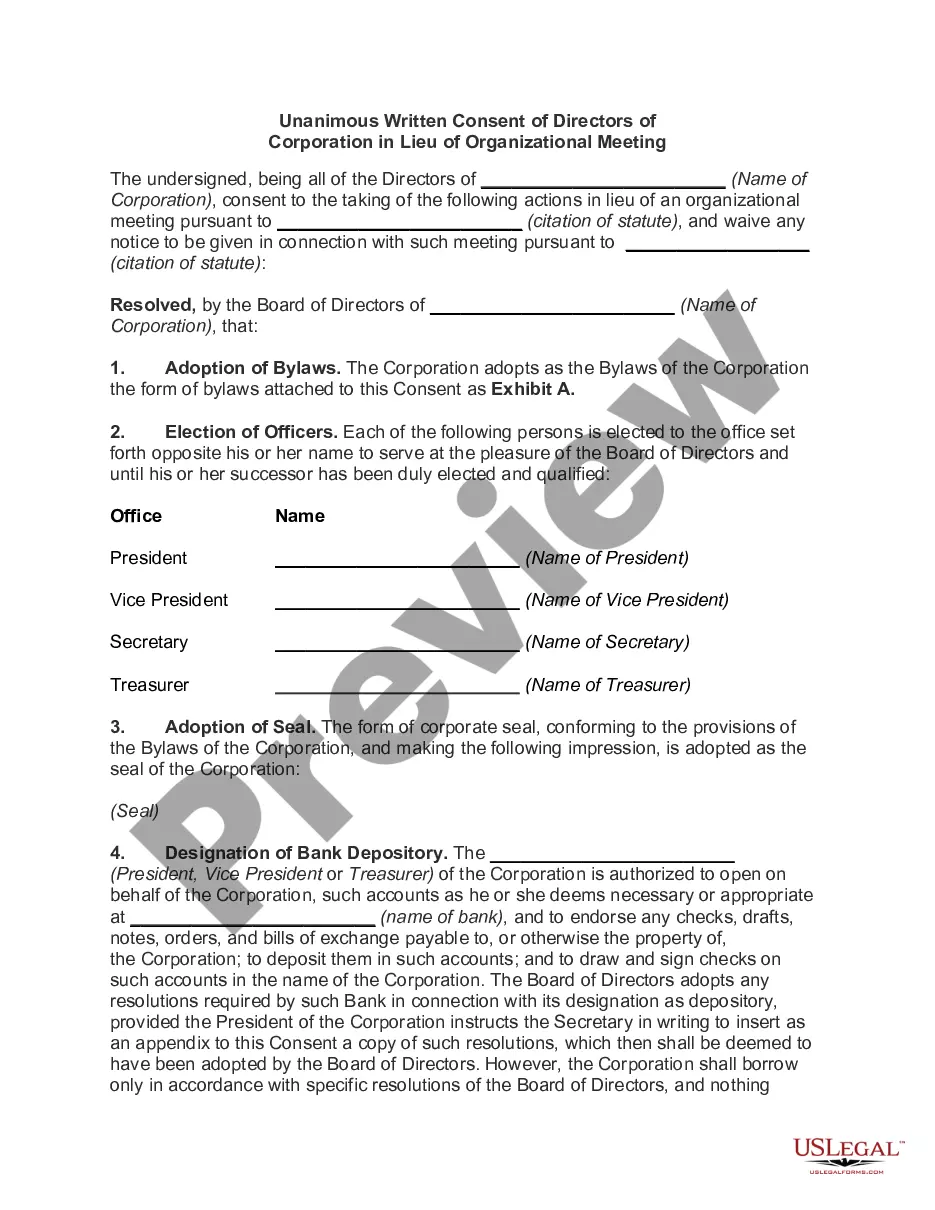
Get your form ready online
Our built-in tools help you complete, sign, share, and store your documents in one place.
Make edits, fill in missing information, and update formatting in US Legal Forms—just like you would in MS Word.
Download a copy, print it, send it by email, or mail it via USPS—whatever works best for your next step.
Sign and collect signatures with our SignNow integration. Send to multiple recipients, set reminders, and more. Go Premium to unlock E-Sign.
If this form requires notarization, complete it online through a secure video call—no need to meet a notary in person or wait for an appointment.
We protect your documents and personal data by following strict security and privacy standards.

Make edits, fill in missing information, and update formatting in US Legal Forms—just like you would in MS Word.

Download a copy, print it, send it by email, or mail it via USPS—whatever works best for your next step.

Sign and collect signatures with our SignNow integration. Send to multiple recipients, set reminders, and more. Go Premium to unlock E-Sign.

If this form requires notarization, complete it online through a secure video call—no need to meet a notary in person or wait for an appointment.

We protect your documents and personal data by following strict security and privacy standards.
Looking for another form?









Form popularity
FAQ
The California statute requires a director to act in good faith, in a manner the director believes to be in the best interests of the corporation and its stockholders, and with such care, including reasonable inquiry, as an ordinarily prudent person in a like position would use under similar circumstances (Cal. Corp.
Duty of Loyalty. Directors must act in a manner that they believe to be in the best interest of the corporation. (Code §§5231, 7231, 9241) Where the organization does not have a membership that is served by the organization, the directors must strive to advance the organization's charitable purposes.
Overview of Duties Act within their powers. Promote the success of the company. Exercise independent judgement. Exercise reasonable care, skill and diligence. Avoid conflicts of interest. Not accept benefits from third parties. Declare interests in transactions or arrangements.
Minimum number. Corporations are required to have not less than three directors unless (1) shares have not been issued, then the number can be one or two, (2) the corporation has one shareholder, then the number can be one or two, or (3) the corporation has two shareholders, then the number can be two.
(a) A director shall perform the duties of a director, including duties as a member of any committee of the board upon which the director may serve, in good faith, in a manner such director believes to be in the best interests of the corporation and its shareholders and with such care, including reasonable inquiry, as ...
Under California law, this basic duty of care is defined as follows: “Any person who owns, leases or controls property is negligent if he or she fails to use reasonable care to keep the property in a reasonably safe condition …
California requires a minimum of one director, but the IRS will rarely give tax-exempt status to organizations with less than three directors.
The duty of care is a fiduciary duty requiring directors and/or officers of a corporation to make decisions that pursue the corporation's interests with reasonable diligence and prudence. This fiduciary duty is owed by directors and officers to the corporation, not the corporation's stakeholders or broader society.
LLCs are not required to have bylaws. However, they are governed by an operating agreement which is like a corporation's bylaws.
