Broker Properties Real Without In Texas
Description

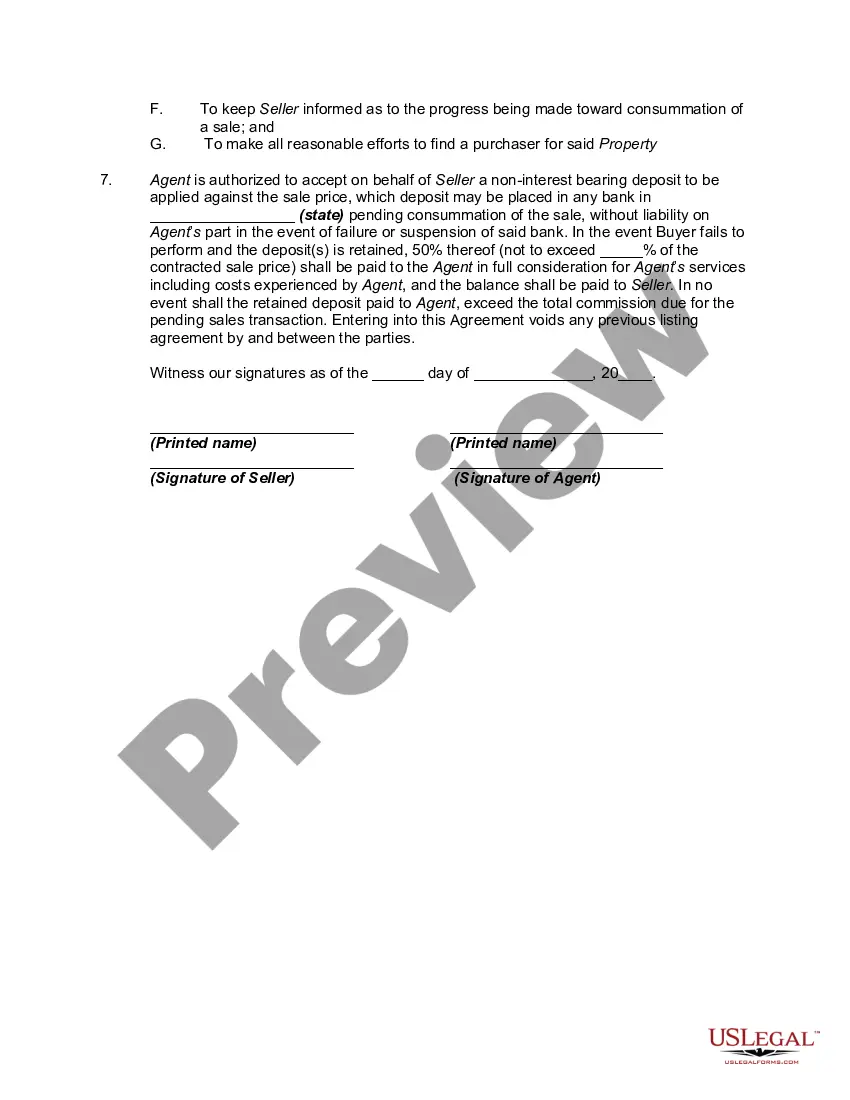

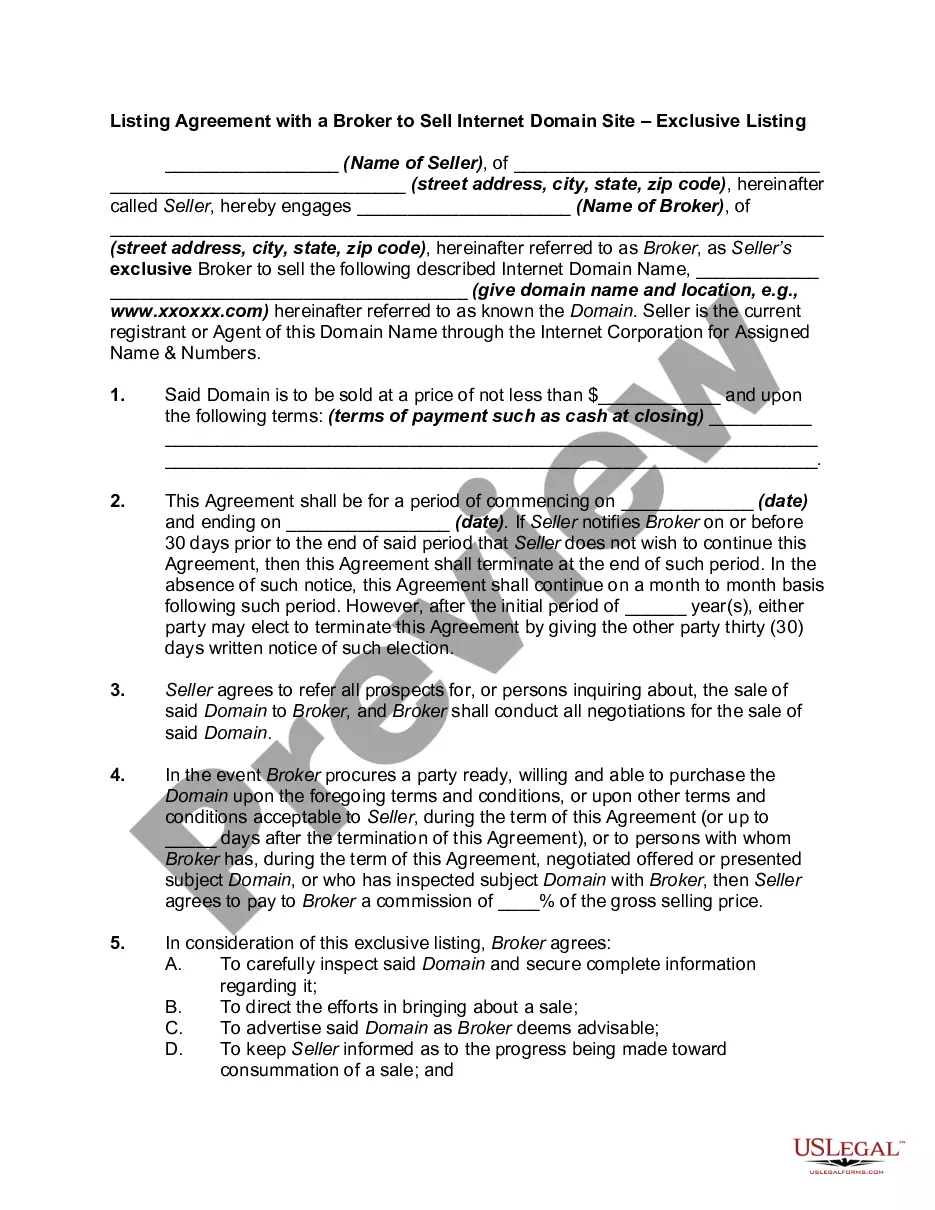
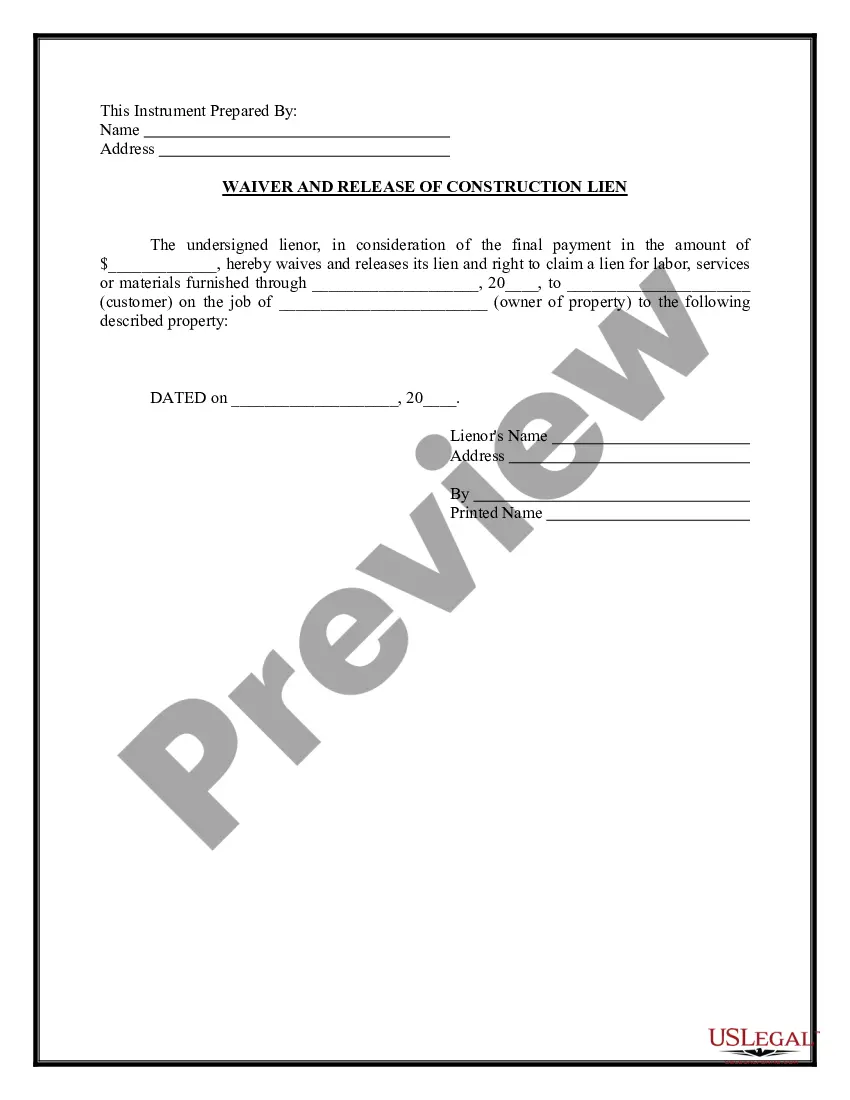
Get your form ready online
Our built-in tools help you complete, sign, share, and store your documents in one place.
Make edits, fill in missing information, and update formatting in US Legal Forms—just like you would in MS Word.
Download a copy, print it, send it by email, or mail it via USPS—whatever works best for your next step.
Sign and collect signatures with our SignNow integration. Send to multiple recipients, set reminders, and more. Go Premium to unlock E-Sign.
If this form requires notarization, complete it online through a secure video call—no need to meet a notary in person or wait for an appointment.
We protect your documents and personal data by following strict security and privacy standards.

Make edits, fill in missing information, and update formatting in US Legal Forms—just like you would in MS Word.

Download a copy, print it, send it by email, or mail it via USPS—whatever works best for your next step.

Sign and collect signatures with our SignNow integration. Send to multiple recipients, set reminders, and more. Go Premium to unlock E-Sign.

If this form requires notarization, complete it online through a secure video call—no need to meet a notary in person or wait for an appointment.

We protect your documents and personal data by following strict security and privacy standards.
Looking for another form?









Form popularity
FAQ
Agents work for insurance companies, while brokers work for consumers. Because brokers represent their clients, they have a duty to provide impartial advice and act in the buyers' best interest. Agents, on the other hand, are motivated to sell the products that the insurers they represent offer.
Yes, in many places, you can become a real estate broker without first being a licensed real estate agent. However, the requirements vary by state or country. Generally, becoming a broker typically involves: Education: Most states require brokers to complete additional coursework beyond what is required for agents.
You don't need a seller's disclosure when you sell or give a house to your kids (such as in a will), your spouse (such as part of a divorce), someone you already co-own the house with, or the government. Find expert agents to help you buy your home in Texas.
Agents must work for licensed brokers, while brokers can work for themselves or hire agents to work for them. Agents must complete 180 hours of real estate coursework, while a broker license takes 270 hours and four years of practical experience.
TRELA §1101.803, Rule 535.2(l), A sales agent may not engage in real estate brokerage activity unless the sales agent is associated with, and acting for, a sponsoring broker. TRELA §1101.351(c). When the sponsoring broker is a licensed business entity, it must have a designated broker to be active.
You have to be an active licensed agent for 4 of the last 5 years before you can apply for a broker license. During that time you need to rack up 3600 transaction points and include a list of transaction ID information on the Supplement A-Qualifying Experience Report for a Broker License.
Yes, a realtor can represent themselves as a buyer in Texas. It is legal and permissible, but transparency is key. The realtor must disclose their interest in the property to the seller and comply with all relevant laws and ethical guidelines.
Someone who conducts real estate brokerage activity without a license, as well as a broker or sales agent who employs that unlicensed individual, commits a Class A misdemeanor, which is a fine up to $4,000 or confinement in jail for a term up to one year, or both.
Rule 5451.1(a) outlines a list of criminal offenses that tend to demonstrate a person's inability to meet those standards. These include fraud, sexual offenses, forgery, DWI, and more. A full list can be found on the TREC website. Start Your Real Estate Career Today!
