Realtor Broker Agent For Llc In Riverside
Description

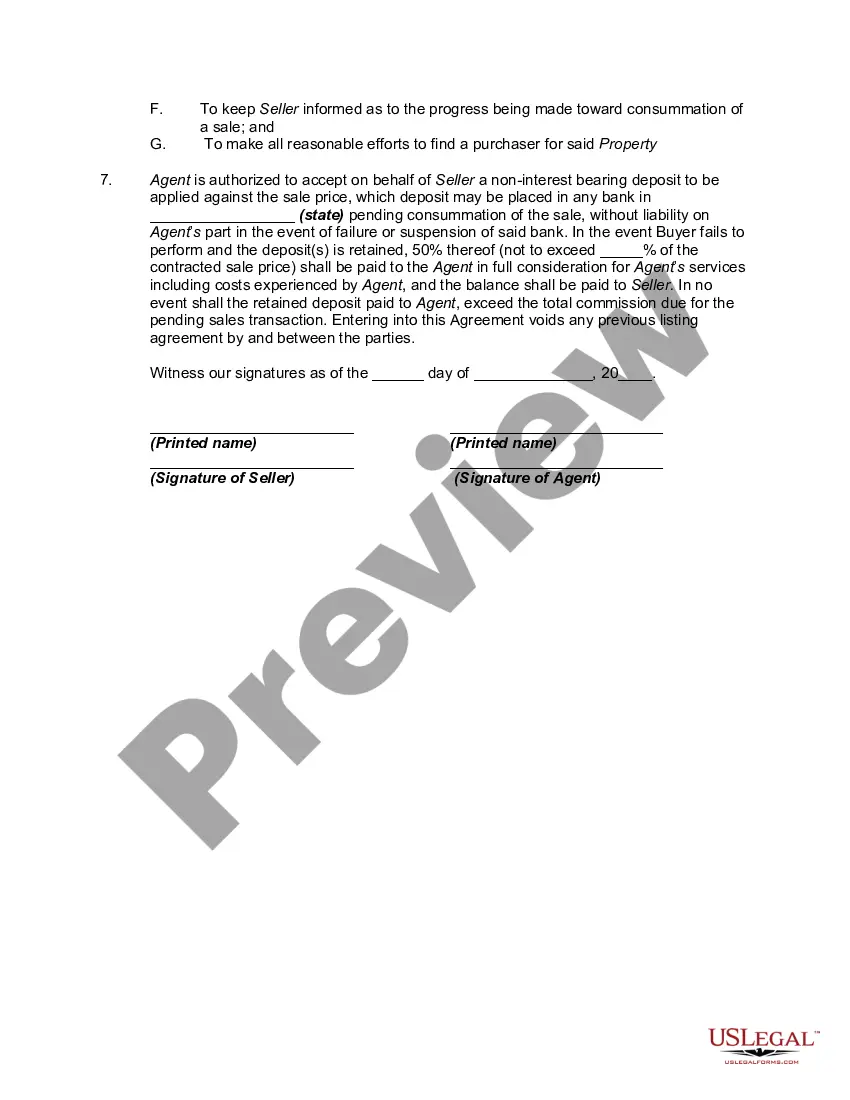

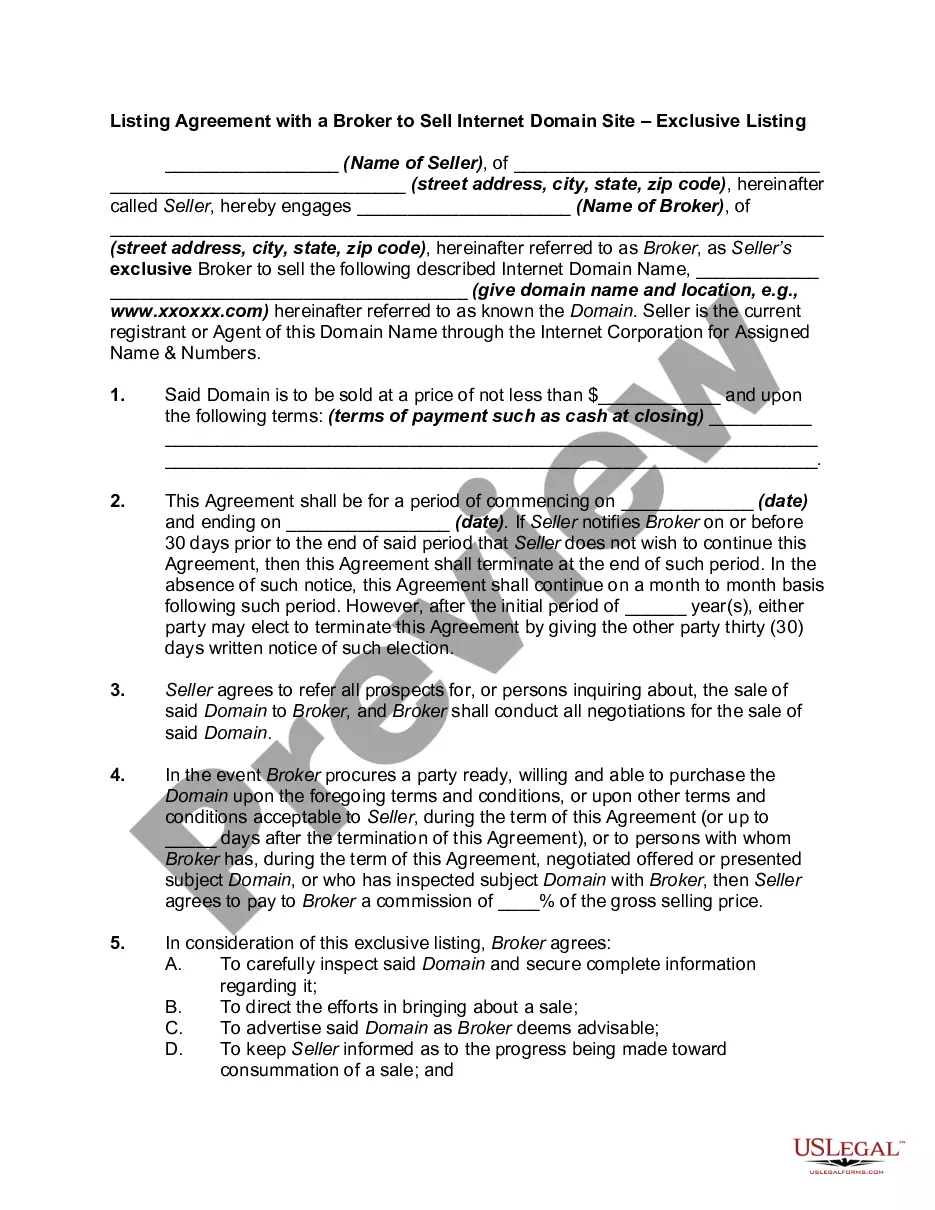
Get your form ready online
Our built-in tools help you complete, sign, share, and store your documents in one place.
Make edits, fill in missing information, and update formatting in US Legal Forms—just like you would in MS Word.
Download a copy, print it, send it by email, or mail it via USPS—whatever works best for your next step.
Sign and collect signatures with our SignNow integration. Send to multiple recipients, set reminders, and more. Go Premium to unlock E-Sign.
If this form requires notarization, complete it online through a secure video call—no need to meet a notary in person or wait for an appointment.
We protect your documents and personal data by following strict security and privacy standards.

Make edits, fill in missing information, and update formatting in US Legal Forms—just like you would in MS Word.

Download a copy, print it, send it by email, or mail it via USPS—whatever works best for your next step.

Sign and collect signatures with our SignNow integration. Send to multiple recipients, set reminders, and more. Go Premium to unlock E-Sign.

If this form requires notarization, complete it online through a secure video call—no need to meet a notary in person or wait for an appointment.

We protect your documents and personal data by following strict security and privacy standards.
Looking for another form?







Form popularity
FAQ
A corporation may be licensed as a real estate broker through one or more of its officers who are brokers or have qualified for a broker license by examination within the twelve months preceding receipt of application.
Step 1 - Meet the Minimum License Requirements. Step 2 - Gain Real Estate Experience. Step 3 - Complete Eight College-Level Broker Courses. Step 4 - Get Fingerprinted If You Haven't Already. Step 5 - Submit the Combo Exam/License Application and Fees. Step 6 - Schedule Your Exam. Step 7 - Pass the Real Estate Broker Exam.
In California, a real estate broker's license can only be issued to a corporation or an individual, not an LLC. So although investors should use LLCs, Real Estate Brokers may not use LLCs to hold their license to perform broker services.
Licensed professionals such as lawyers, accountants, architects, engineers, and some medical professionals cannot form Limited Liability Companies (LLCs) to provide professional services in California. Instead, they must form a Professional Corporation (PC) or a Registered Limited Liability Partnership (LLP).
In general, your new real estate business will take one of these forms: Limited liability company (LLC): An LLC is one of the easiest legal entities to start and maintain. It also has lower upkeep costs and stellar asset protection.
While Keller Williams is by far the world's biggest real estate company thanks to a diverse portfolio of residential, commercial, and industrial properties, many of the biggest real estate companies specialize in real estate that isn't residential.
In most states, licensed professionals (architects, accountants, doctors, lawyers, therapists, etc.) offering professional services cannot form a “regular” California LLC. Instead, they must form a Professional LLC (PLLC).
Please note that the listing or sale of real property within Azusa is considered business activity and both listing agent & broker and selling agent & broker are required to obtain a business license. A California Department of Real Estate license does not act as a city business license.
S Corporation: Tax Advantages for Growing Agents An S Corporation (S-Corp) is a corporation that has elected to be taxed as a pass-through entity, meaning profits and losses pass through to the owners' individual tax returns. This structure benefits real estate agents who plan to expand their business significantly.