Agreement Broker Real Estate Formula In Queens
Description

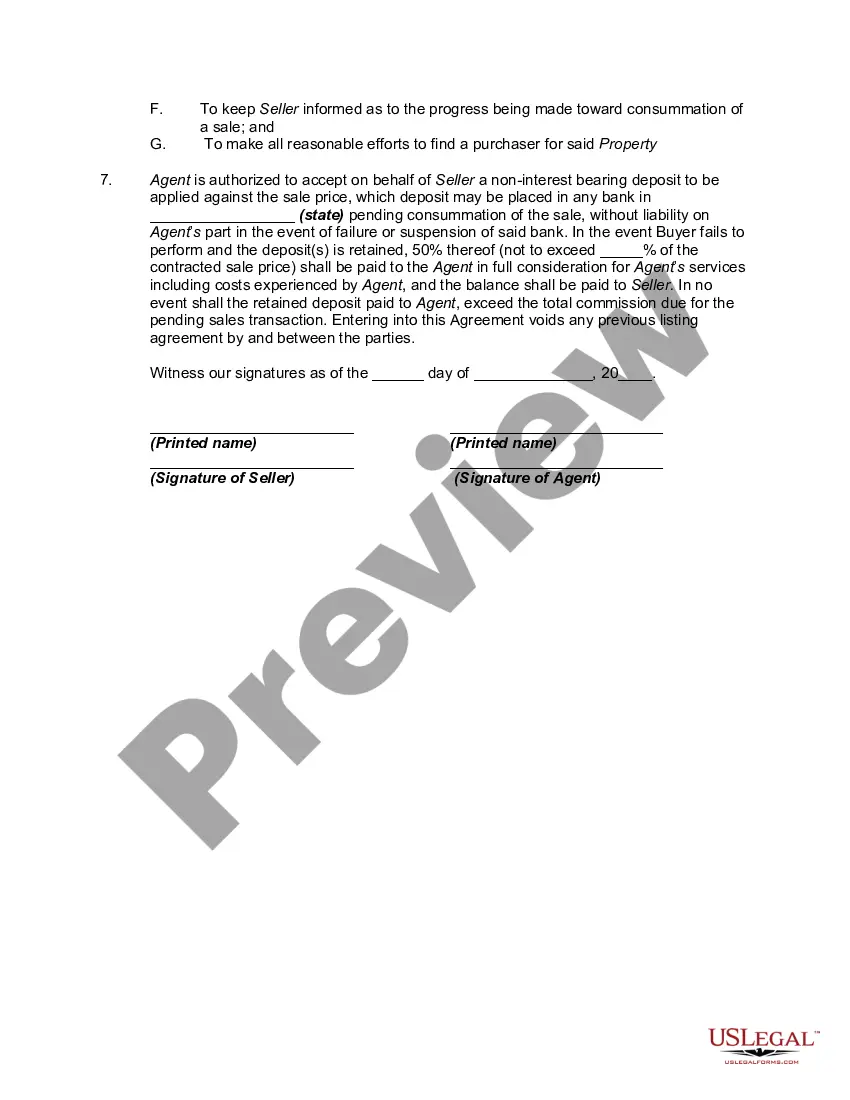

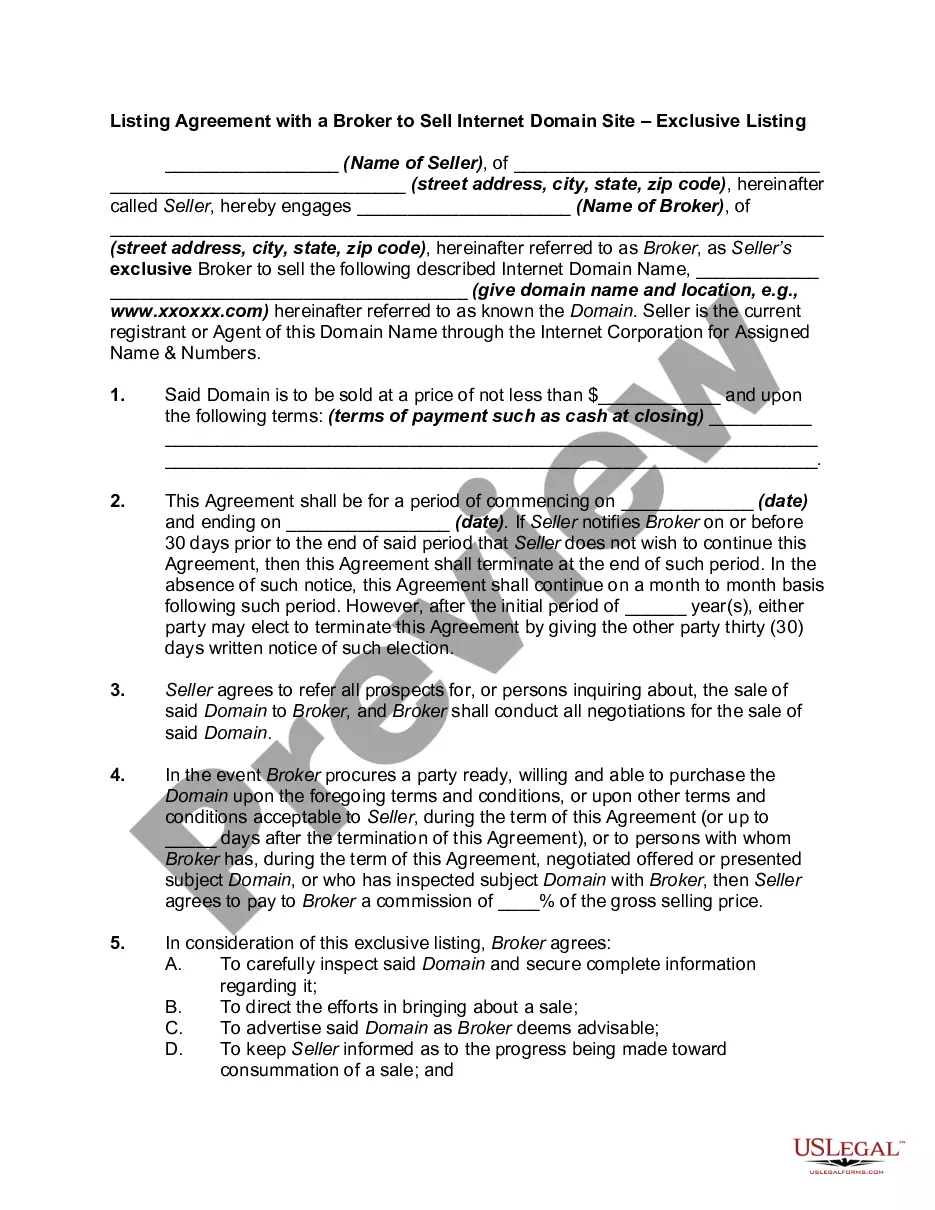
Get your form ready online
Our built-in tools help you complete, sign, share, and store your documents in one place.
Make edits, fill in missing information, and update formatting in US Legal Forms—just like you would in MS Word.
Download a copy, print it, send it by email, or mail it via USPS—whatever works best for your next step.
Sign and collect signatures with our SignNow integration. Send to multiple recipients, set reminders, and more. Go Premium to unlock E-Sign.
If this form requires notarization, complete it online through a secure video call—no need to meet a notary in person or wait for an appointment.
We protect your documents and personal data by following strict security and privacy standards.

Make edits, fill in missing information, and update formatting in US Legal Forms—just like you would in MS Word.

Download a copy, print it, send it by email, or mail it via USPS—whatever works best for your next step.

Sign and collect signatures with our SignNow integration. Send to multiple recipients, set reminders, and more. Go Premium to unlock E-Sign.

If this form requires notarization, complete it online through a secure video call—no need to meet a notary in person or wait for an appointment.

We protect your documents and personal data by following strict security and privacy standards.
Looking for another form?

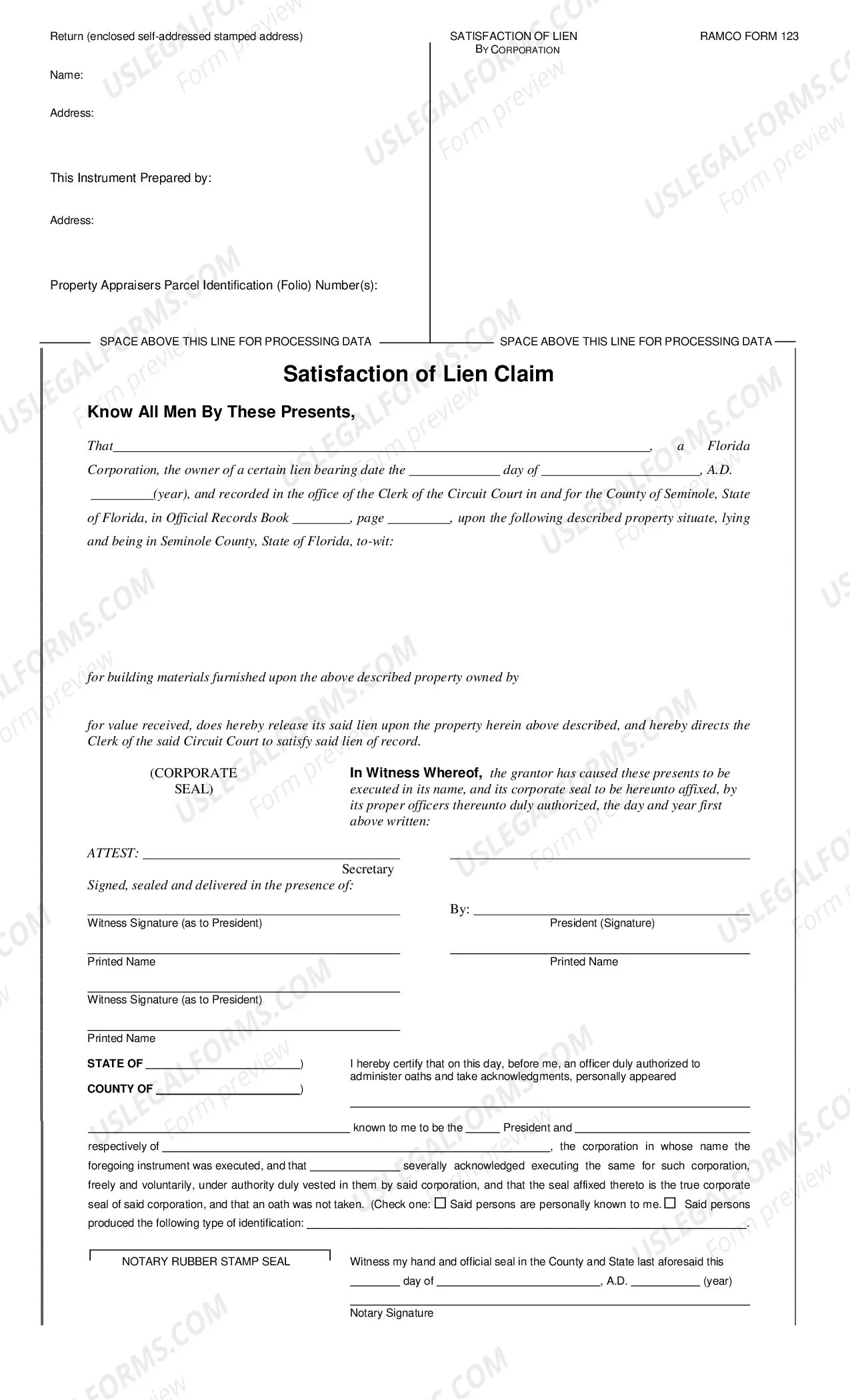


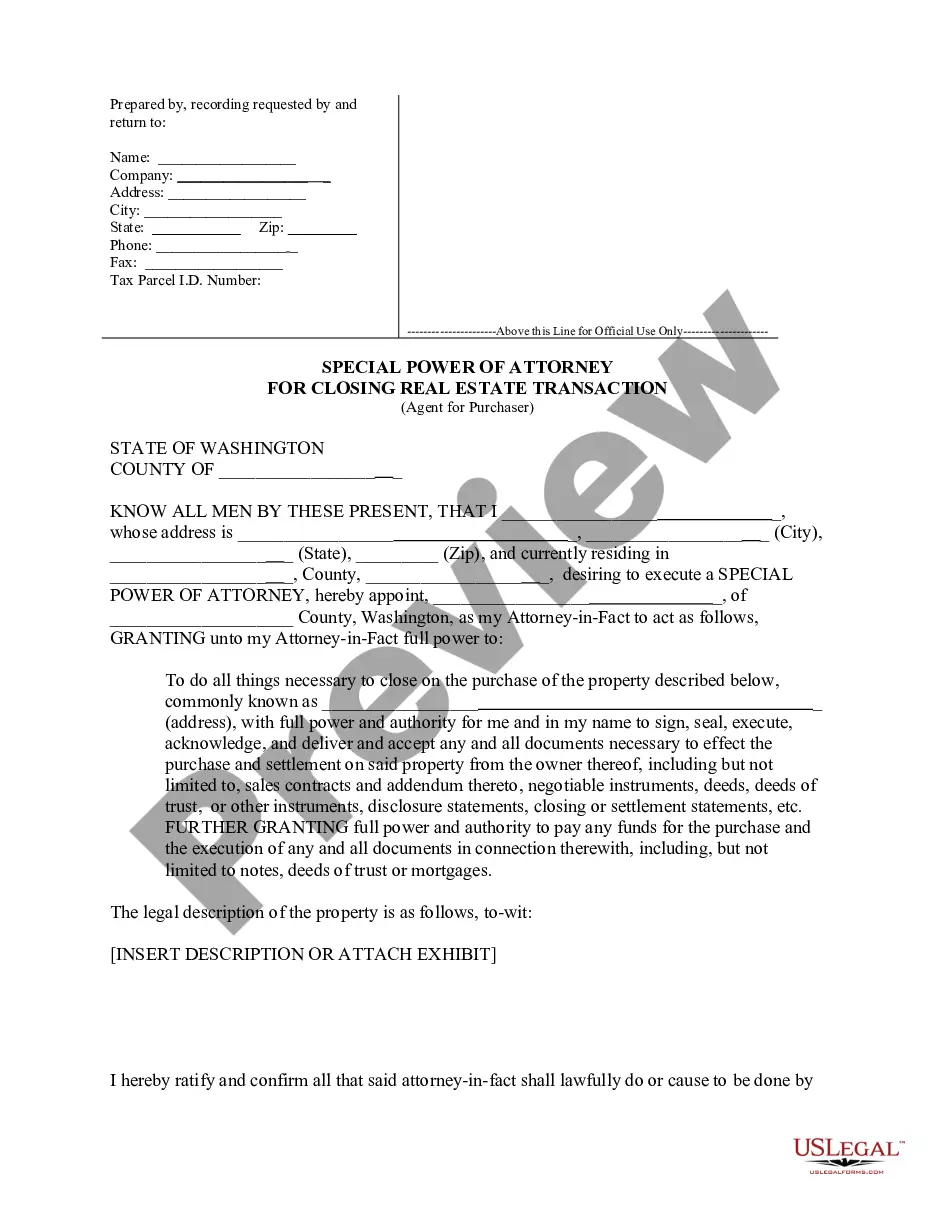



Form popularity
FAQ
Lesson Summary. A contract is a legal agreement between two or more parties in which they agree to each other's rights and responsibilities. Offer, acceptance, awareness, consideration, and capacity are the five elements of an enforceable contract.
Required Elements of a Real Estate Contract To establish legality, a real estate contract must include a legal purpose, legally competent parties, agreement by offer and acceptance, consideration, and consent.
A contract will only be legally binding upon the contracting parties if the following requirements are complied with: consensus, contractual capacity, certainty, possibility, legality and formalities. 39 The above requirements will be discussed next.
A legally enforceable contract must include an offer, acceptance, consideration, capacity, legality, and mutual assent. Understanding different types of contracts and situations where they may be deemed unenforceable is key to navigating contract law.
Obtain a full list of real estate brokers by conducting an online search or checking your local community directory. This will be the starting point from which you can narrow down your broker search. Find out which ones are recruiting new agents by calling, stopping into the office or visiting their websites.
How to Find a Broker to Sponsor You Research and Understand Licensing Requirements. Attend Real Estate Events and Networking Opportunities. Utilize Online Resources. Seek Referrals. Research Local Brokerages. Contact and Interview Potential Sponsoring Brokers. Consider Commission Structures. Evaluate and Decide.
Here are some tips: If you're able to offer the agent more than one listing opportunity, that might be a compelling argument for a reduced commission. If you don't have another listing opportunity of your own to offer, try leveraging your ability recommend the agent to others in your neighborhood or network.
Writing your own contracts is perfectly possible, and legal. But it's also an incredibly bad idea. There's two reasons for this: Property law is complicated. Because it's such a fundamental part of legislation, it's often lots and lots of different laws layered on top of each other.
When signing a contract with a realtor to buy, you'll come across a buyer-broker agreement. This is a contract between you (the buyer) and a real estate agent (the broker) who will act on your behalf to help you find the perfect home.
An exclusive right to sell listing is the most widely-used listing agreement. Under this agreement, the broker has the exclusive right to market the property for a specified period of time.
