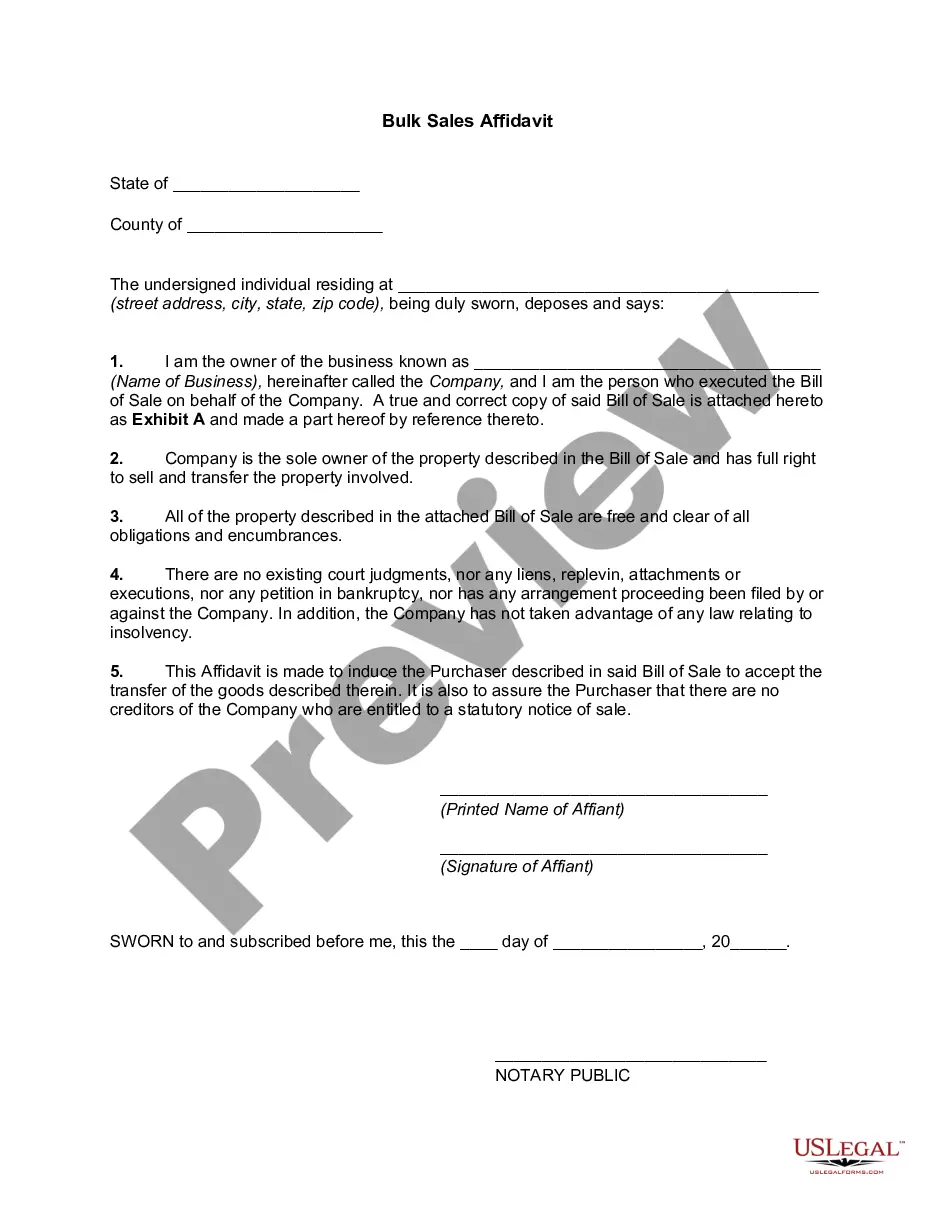
Listing Agreement Real Estate With Multiple Owners In Phoenix
Description

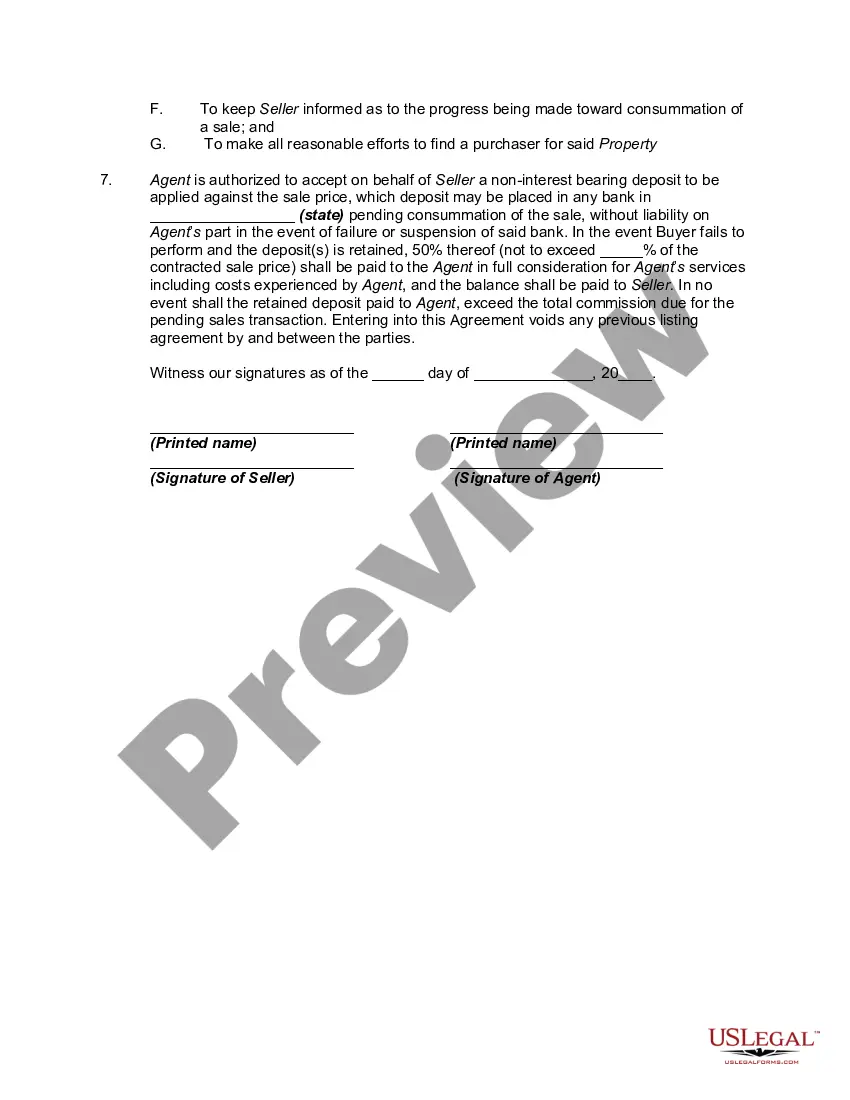

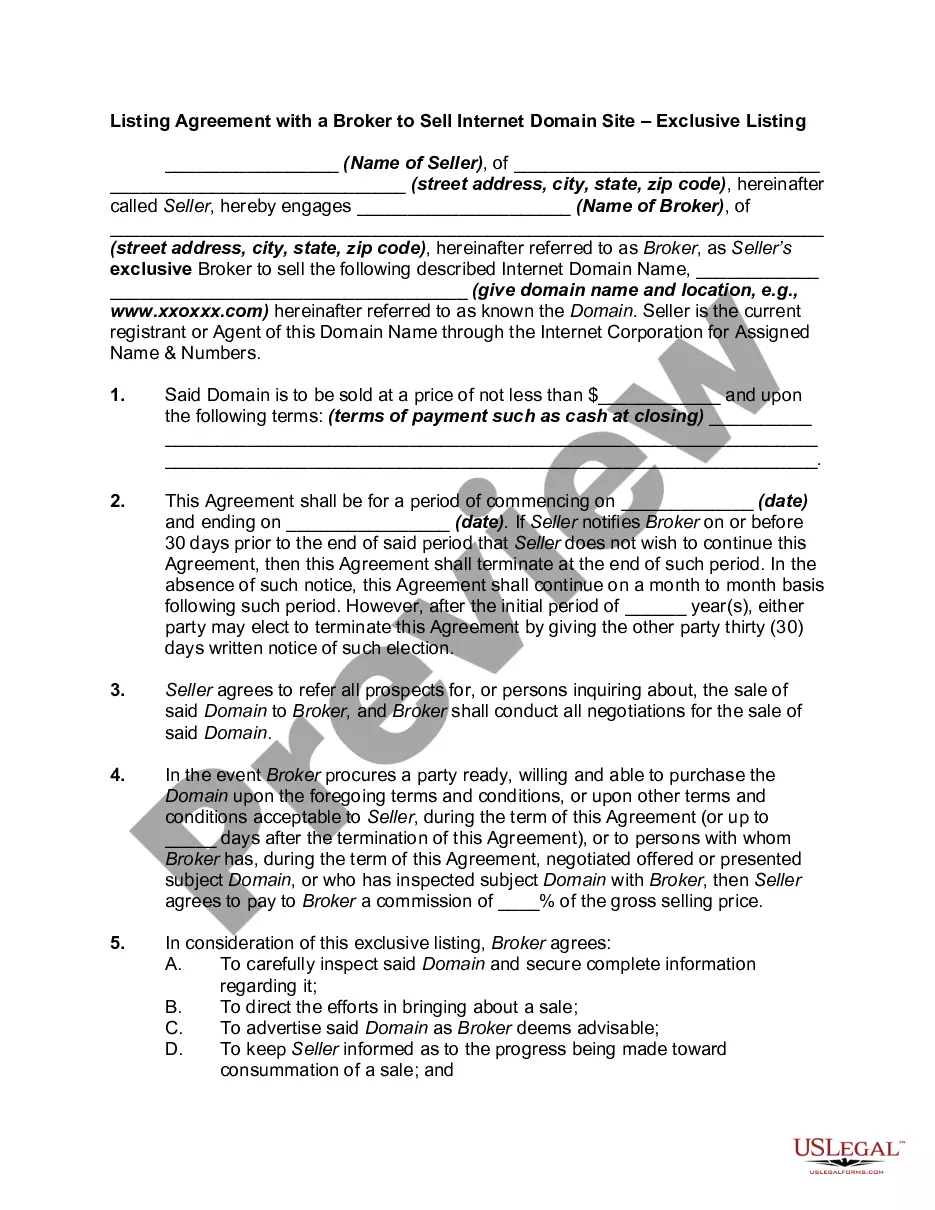
Get your form ready online
Our built-in tools help you complete, sign, share, and store your documents in one place.
Make edits, fill in missing information, and update formatting in US Legal Forms—just like you would in MS Word.
Download a copy, print it, send it by email, or mail it via USPS—whatever works best for your next step.
Sign and collect signatures with our SignNow integration. Send to multiple recipients, set reminders, and more. Go Premium to unlock E-Sign.
If this form requires notarization, complete it online through a secure video call—no need to meet a notary in person or wait for an appointment.
We protect your documents and personal data by following strict security and privacy standards.

Make edits, fill in missing information, and update formatting in US Legal Forms—just like you would in MS Word.

Download a copy, print it, send it by email, or mail it via USPS—whatever works best for your next step.

Sign and collect signatures with our SignNow integration. Send to multiple recipients, set reminders, and more. Go Premium to unlock E-Sign.

If this form requires notarization, complete it online through a secure video call—no need to meet a notary in person or wait for an appointment.

We protect your documents and personal data by following strict security and privacy standards.
Looking for another form?
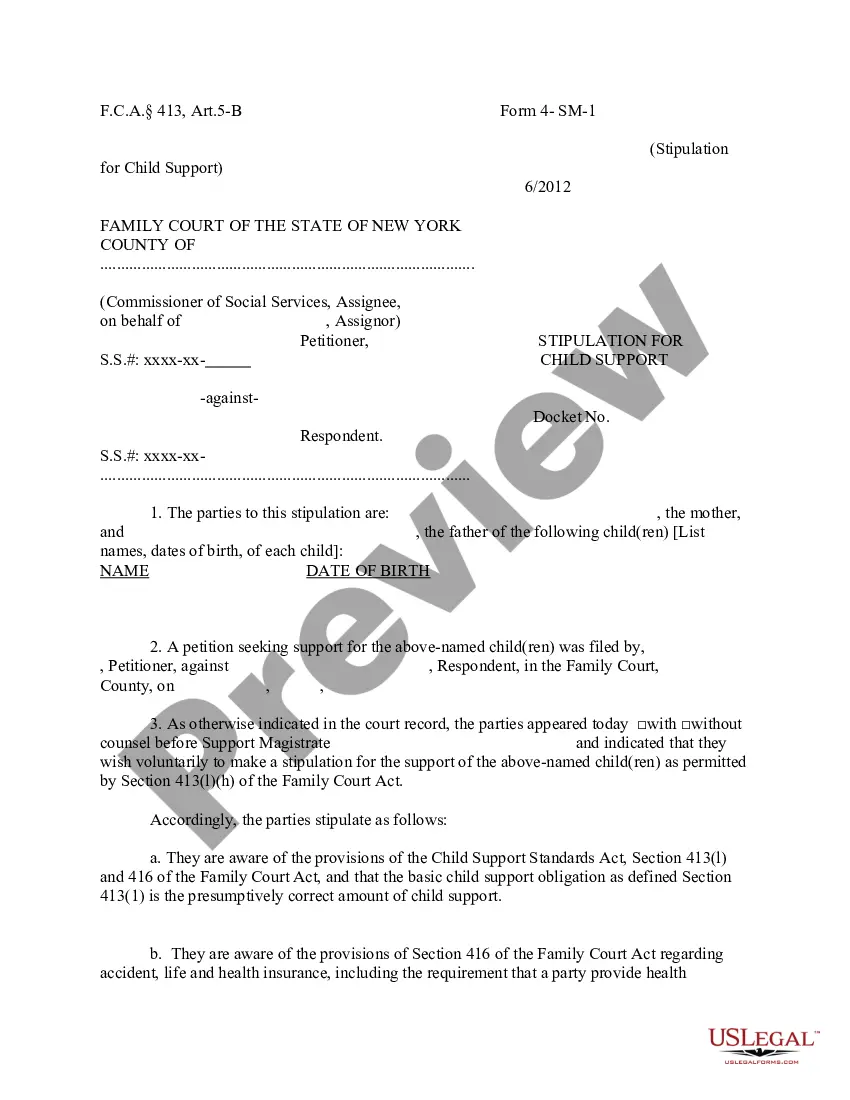




Form popularity
FAQ
◊ Be at least 18 years of age when applying. ◊ Complete 90 hours of real estate salesperson pre-licensing education through an ADRE approved school, and pass the school final Salesperson examination, in person. ◊ Register for and pass the Salesperson State Exam.
What are the features of a legally valid real estate contract in Arizona? Understanding the five essential features of a legally valid real estate contract in Arizona is fundamental. These features include mutual consent, capacity, consideration, a written format, and a proper description of the property.
Tenancy in Common is a form of joint ownership of real property with two or more owners called “tenants in common.” Each co-owner or tenant in common owns a specific share or percentage of the property. Tenants in common can have equal shares, but they can also hold title in unequal shares.
When is a contract legally binding? Typically, a document that includes an offer, acceptance, and appropriate consideration will be considered legally binding. In most cases, a contract is binding in Arizona even if the parties signed it in another state.
Unless otherwise agreed all rights of either seller or buyer can be assigned except where the assignment would materially change the duty of the other party, or increase materially the burden or risk imposed on him by his contract, or impair materially his chance of obtaining return performance.
For a valid contract to exist there needs to be an offer, acceptance, consideration, and sufficient specificity so that the obligations involved can be ascertained. The Arizona REALTORS® contracts are designed to address these requirements in a uniform manner.
Co-ownership is when an asset such as a home is jointly owned by two or more parties. In this arrangement, all owners are listed on the asset's title, signifying that each holds a specific percentage of ownership.
Partnership. Partnerships are the simplest structure for two or more people to own a business together. There are two common kinds of partnerships: limited partnerships (LP) and limited liability partnerships (LLP).
(ˈmʌltɪpəl ˈəʊnəʃɪp ) noun. ownership by several people or organizations.