Realtor Broker Agent With Loss Statement In New York
Description

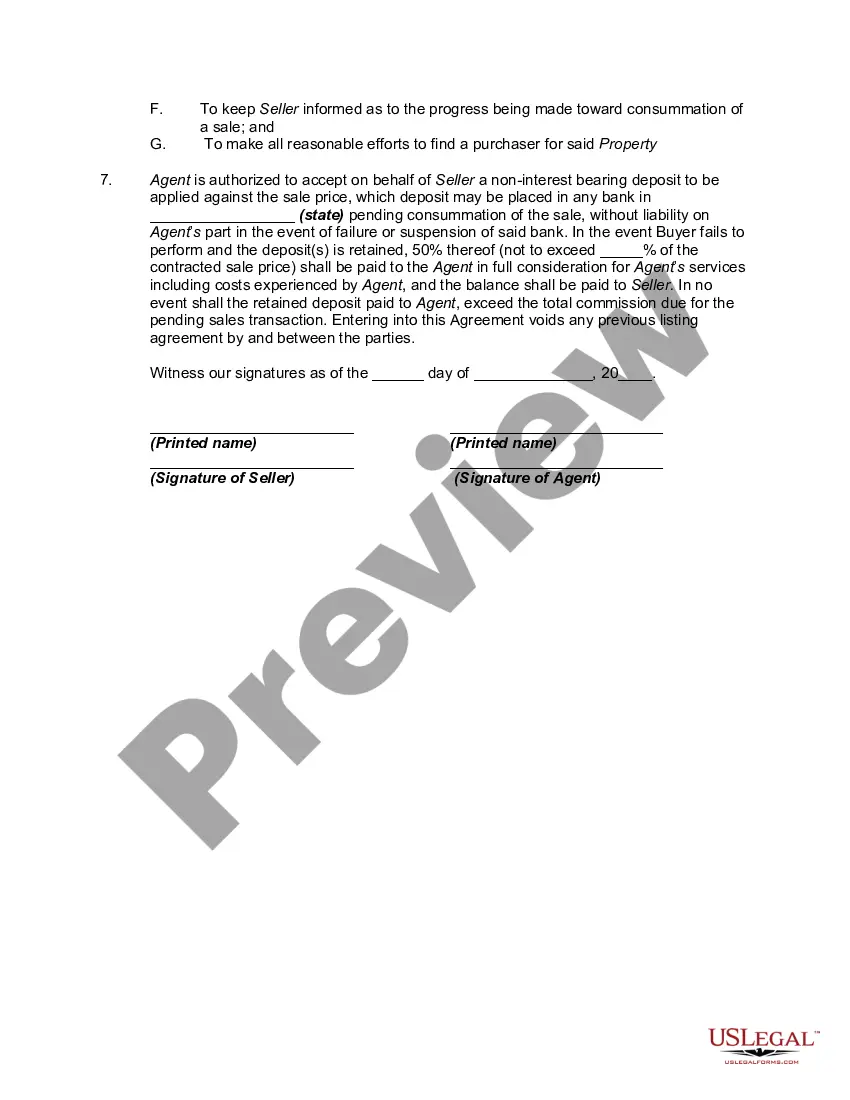

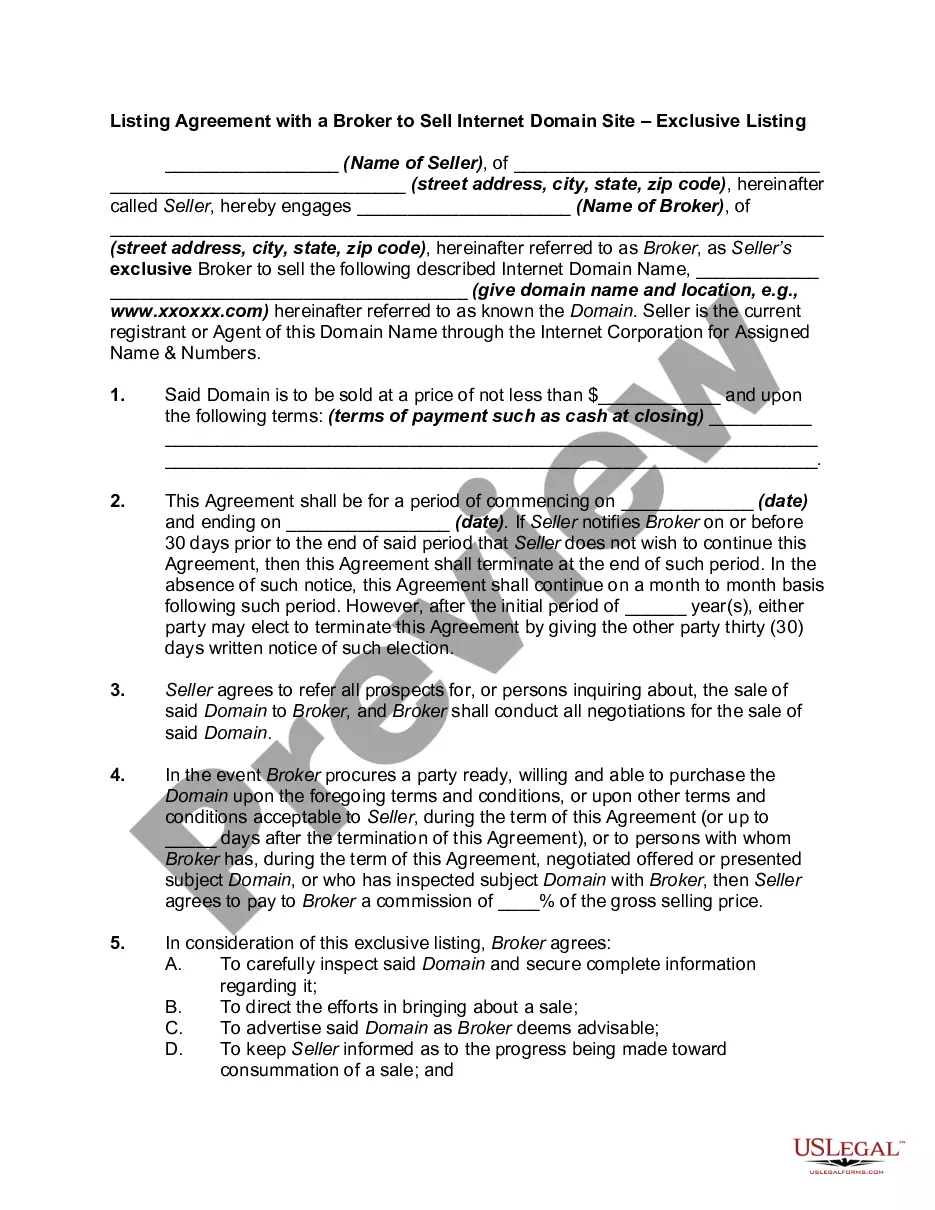
Get your form ready online
Our built-in tools help you complete, sign, share, and store your documents in one place.
Make edits, fill in missing information, and update formatting in US Legal Forms—just like you would in MS Word.
Download a copy, print it, send it by email, or mail it via USPS—whatever works best for your next step.
Sign and collect signatures with our SignNow integration. Send to multiple recipients, set reminders, and more. Go Premium to unlock E-Sign.
If this form requires notarization, complete it online through a secure video call—no need to meet a notary in person or wait for an appointment.
We protect your documents and personal data by following strict security and privacy standards.

Make edits, fill in missing information, and update formatting in US Legal Forms—just like you would in MS Word.

Download a copy, print it, send it by email, or mail it via USPS—whatever works best for your next step.

Sign and collect signatures with our SignNow integration. Send to multiple recipients, set reminders, and more. Go Premium to unlock E-Sign.

If this form requires notarization, complete it online through a secure video call—no need to meet a notary in person or wait for an appointment.

We protect your documents and personal data by following strict security and privacy standards.
Looking for another form?


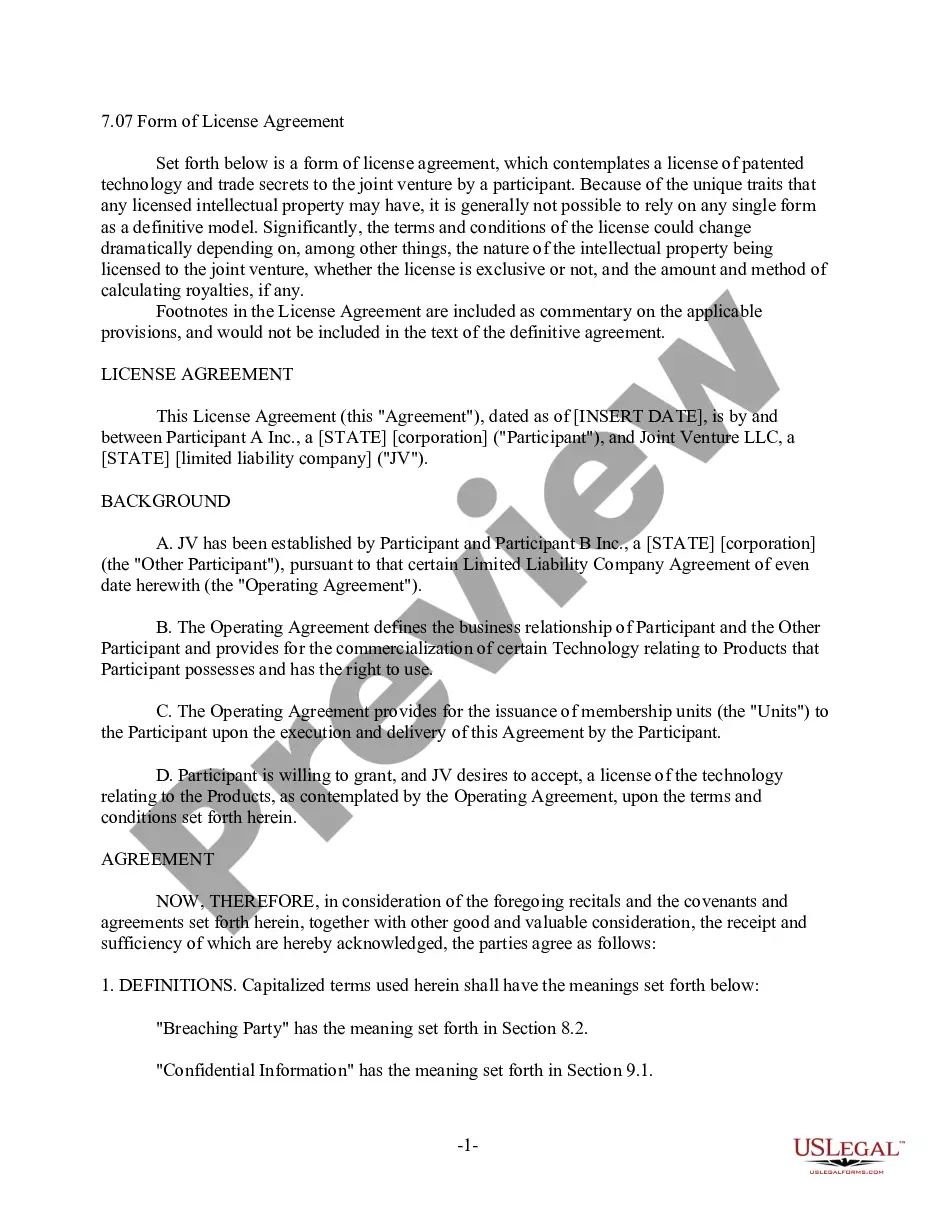
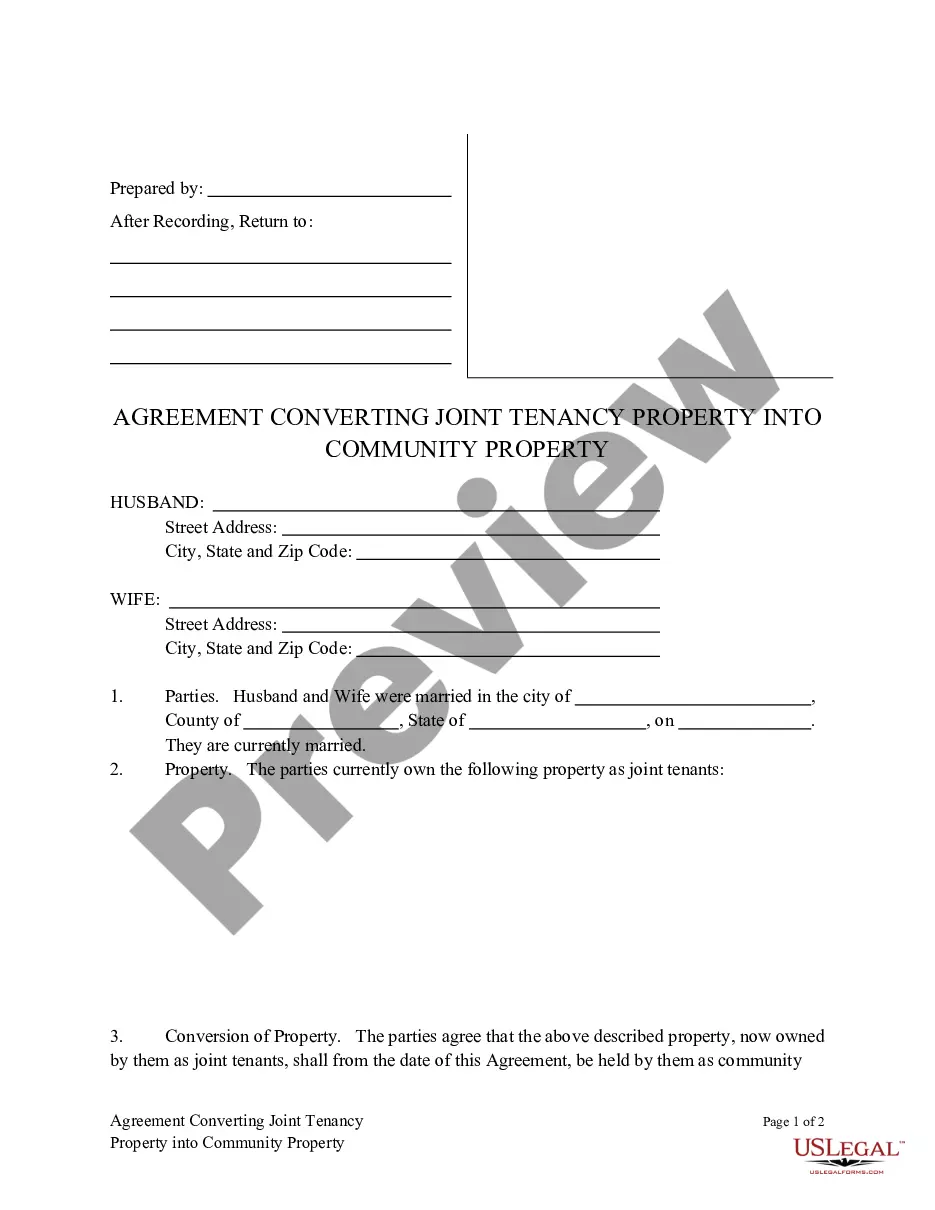
Form popularity
FAQ
How to Analyze a Profit and Loss Statement (P&L) Comparing year-over-year numbers (horizontal analysis) as well as industry benchmarking. Looking at margins: gross profit margin, EBITDA margin, operating margin, net profit margin. Trend analysis: are metrics improving or deteriorating.
It is a financial statement that provides a snapshot of how much your company is making (revenue) compared to how much is being spent (costs and expenses). Simply put, your P&L shows your business's revenue minus costs and expenses, typically over a specified period. The outcome is your net profit or bottom line.
Meseck, the most common complaints involve: Septic systems. Solar leases. Failure to disclose and Seller's Property Disclosures. Water rights. Miscommunication. Agent-owned property and additional supervision. Multiple offers. Unpermitted work.
Profit and loss account shows the net profit and net loss of the business for the accounting period. This account is prepared in order to determine the net profit or net loss that occurs during an accounting period for a business concern.
It is a financial statement that provides a snapshot of how much your company is making (revenue) compared to how much is being spent (costs and expenses). Simply put, your P&L shows your business's revenue minus costs and expenses, typically over a specified period. The outcome is your net profit or bottom line.
Here's a general step-by-step guide to creating a profit and loss statement: Choose a reporting period. Gather financial statements and information. Add up revenue. List your COGS. Record your expenses. Figure your EBITDA. Calculate interest, taxes, depreciation, and amortization. Determine net income.
They should schedule a face-to-face meeting with their broker to discuss their departure. It is a good idea to demonstrate professionalism and respect for the relationship they have built. The easiest way to communicate the decision to leave is by arranging a meeting at a mutually convenient time.
Yes. A licensed real estate broker or salesperson in New York City may represent both the buyer and seller under a dual agency arrangement provided that he or she provides buyer and seller with full and fair, informed disclosure.
New York State Real Property Law Section 443 (“RPL 443”) requires real estate licensees in New York State to provide buyers, sellers, landlords and/or tenants with a disclosure (the “Agency Disclosure Form”) set- ting forth the nature of the agency relationship the real estate licensee will have with said buyers, sell- ...
