Listing Realtor Property For Themselves In Miami-Dade
Description

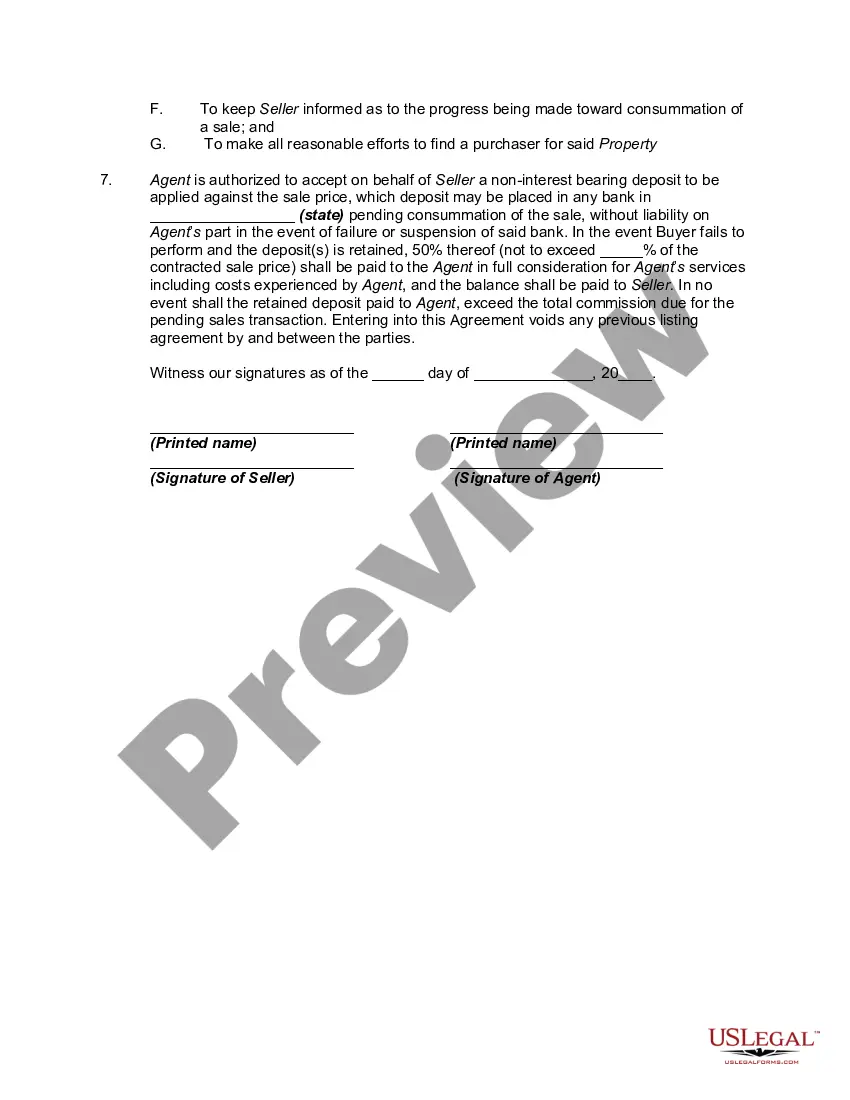

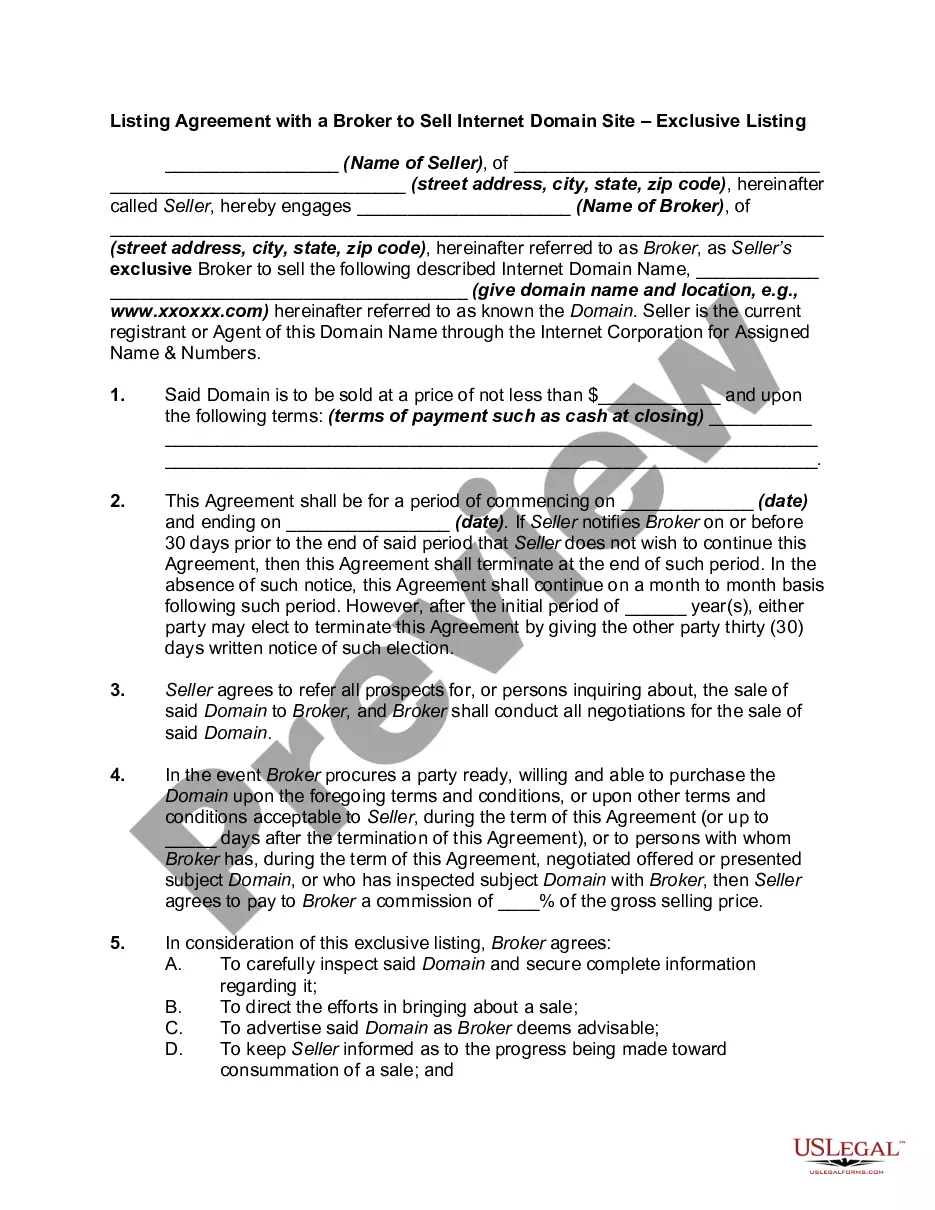
Get your form ready online
Our built-in tools help you complete, sign, share, and store your documents in one place.
Make edits, fill in missing information, and update formatting in US Legal Forms—just like you would in MS Word.
Download a copy, print it, send it by email, or mail it via USPS—whatever works best for your next step.
Sign and collect signatures with our SignNow integration. Send to multiple recipients, set reminders, and more. Go Premium to unlock E-Sign.
If this form requires notarization, complete it online through a secure video call—no need to meet a notary in person or wait for an appointment.
We protect your documents and personal data by following strict security and privacy standards.

Make edits, fill in missing information, and update formatting in US Legal Forms—just like you would in MS Word.

Download a copy, print it, send it by email, or mail it via USPS—whatever works best for your next step.

Sign and collect signatures with our SignNow integration. Send to multiple recipients, set reminders, and more. Go Premium to unlock E-Sign.

If this form requires notarization, complete it online through a secure video call—no need to meet a notary in person or wait for an appointment.

We protect your documents and personal data by following strict security and privacy standards.
Looking for another form?







Form popularity
FAQ
A. Net listing agreements are commonly used throughout the State of Florida in certain circumstances, and the same have been recognized as valid by the courts of this State.
Yes, a real estate agent can technically work independently in their day-to-day tasks, but real estate agents must still work under a licensed broker. Real estate agents are hired by a brokerage firm to sell and buy real estate.
A listing agreement is an example of an agency relationship that is created by express agency. In this context, express agency arises when the principal explicitly states their intention to create an agency relationship with the agent through a written or verbal agreement.
An Exclusive Right to Sell Listing Agreement is more than just a formal arrangement between a homeowner and a real estate agent; it's a partnership that defines how the sale of a property will be handled. In Florida's dynamic real estate market, this agreement plays a pivotal role.
FSBO contracts in Florida should include the following: Contract Title. Details of Seller and Buyer: Full names, marital status and contact information. Contract Date: The date of execution. Property Details. Payment terms. Real Estate Taxes: Detail who pays real estate taxes and how.
Work on your sphere of influence through social media. Post often. Show that your working. Preview homes (even if you don't have a client). Don't just have a business account. Let people see your life and personality while showing that you mean business. Share info about the market. Basically whatever it takes.
The simple answer is yes – as a licensed agent, you can represent yourself in buying or selling real estate for yourself, so long as you disclose that you representing yourself upfront in the deal.
The short answer is yes, a licensed real estate agent can sell their own property. There are no hard and fast rules for REALTORS® who want to sell their own property but there are best practices and a code of ethics that many adhere to.
As a realtor, I would introduce myself in the following way: My name is (Your Name) and I am a licensed real estate agent with (Company Name). I have (X) years of experience in the local real estate market and deep knowledge of the neighborhoods, home prices, and market trends in this area.
The simple answer is yes – as a licensed agent, you can represent yourself in buying or selling real estate for yourself, so long as you disclose that you representing yourself upfront in the deal.
