Listing Agreement Commercial With A Self-renewing Clause In Maricopa
Description

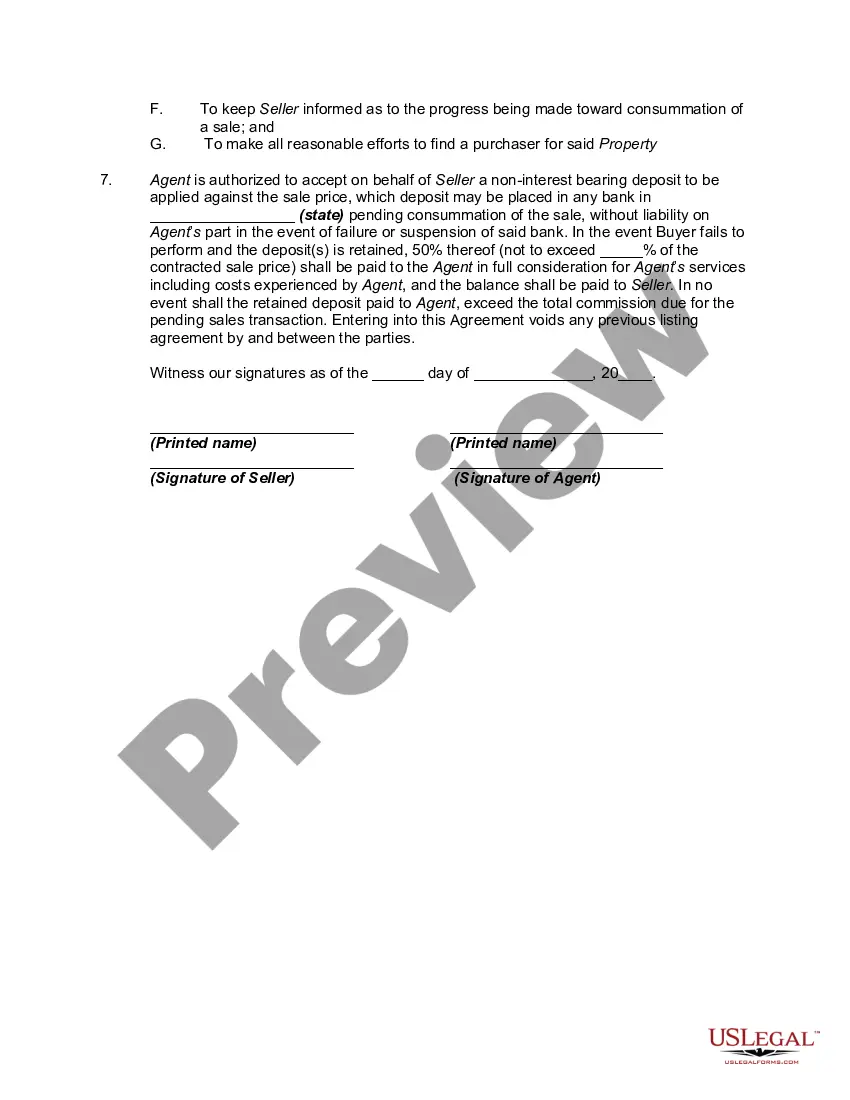

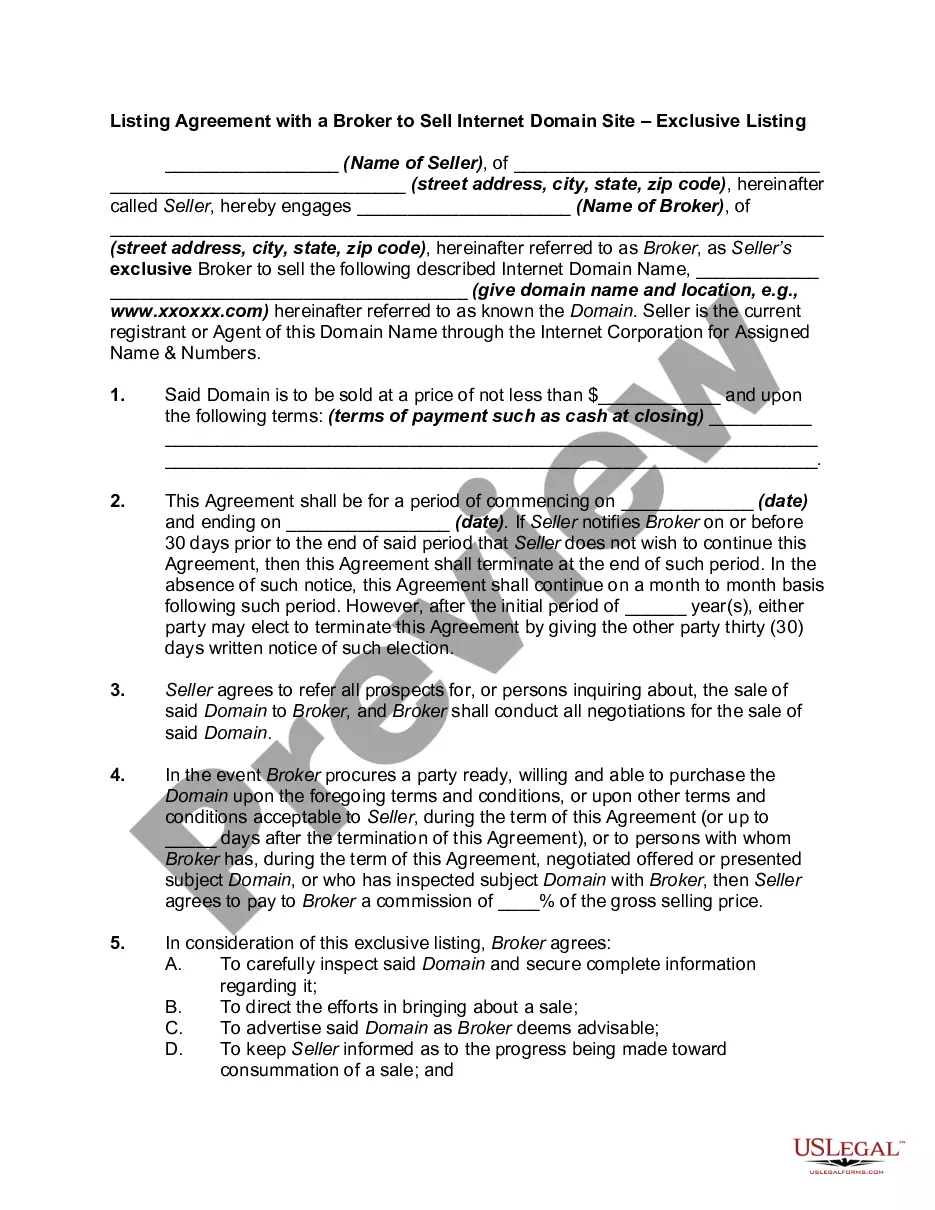
Get your form ready online
Our built-in tools help you complete, sign, share, and store your documents in one place.
Make edits, fill in missing information, and update formatting in US Legal Forms—just like you would in MS Word.
Download a copy, print it, send it by email, or mail it via USPS—whatever works best for your next step.
Sign and collect signatures with our SignNow integration. Send to multiple recipients, set reminders, and more. Go Premium to unlock E-Sign.
If this form requires notarization, complete it online through a secure video call—no need to meet a notary in person or wait for an appointment.
We protect your documents and personal data by following strict security and privacy standards.

Make edits, fill in missing information, and update formatting in US Legal Forms—just like you would in MS Word.

Download a copy, print it, send it by email, or mail it via USPS—whatever works best for your next step.

Sign and collect signatures with our SignNow integration. Send to multiple recipients, set reminders, and more. Go Premium to unlock E-Sign.

If this form requires notarization, complete it online through a secure video call—no need to meet a notary in person or wait for an appointment.

We protect your documents and personal data by following strict security and privacy standards.
Looking for another form?









Form popularity
FAQ
When is a contract legally binding? Typically, a document that includes an offer, acceptance, and appropriate consideration will be considered legally binding. In most cases, a contract is binding in Arizona even if the parties signed it in another state.
What are the features of a legally valid real estate contract in Arizona? Understanding the five essential features of a legally valid real estate contract in Arizona is fundamental. These features include mutual consent, capacity, consideration, a written format, and a proper description of the property.
Unless otherwise agreed all rights of either seller or buyer can be assigned except where the assignment would materially change the duty of the other party, or increase materially the burden or risk imposed on him by his contract, or impair materially his chance of obtaining return performance.
Under A.R.S. 42-13301 the LPV is the limited property value of the property in the preceding valuation year plus five percent of that value.
Legal Classes: 3.2 - Primary Residence of a qualified family member. 3.3 Primary Residence also leased or rented to lodgers. 4.1 - Non-Primary Residence. 4.2 - Residential Rental.
However, certain changes, such as new constructions or additions, parcel splits or consolidations, or changes to a property's use trigger a reassessment of the LPV.
Class 4 property means property owned or controlled by a state agency concerning which there is a provision in the deed that limits the exploration or drilling for oil or gas on the property.
Property classified as Legal Class 4.1 is not listed as a registered rental but still does not receive the State Aid to Education Tax Credit. An example of a property in Legal Class 4.1 is a secondary home.
1. Property owner (applicant) must be 65 years of age or older. 2. The property must be the primary residence of the property owner and must have lived there for at least 2 years.
How to Amend a Listing Agreement (3 steps) Discuss the Amendment. The broker and owner should meet and discuss the changes to the listing agreement. Write the Amendment. Once a verbal agreement is made, the amendment should be written. Sign and Attach to Listing Agreement.
