Signing A Listing Agreement In Kings
Description

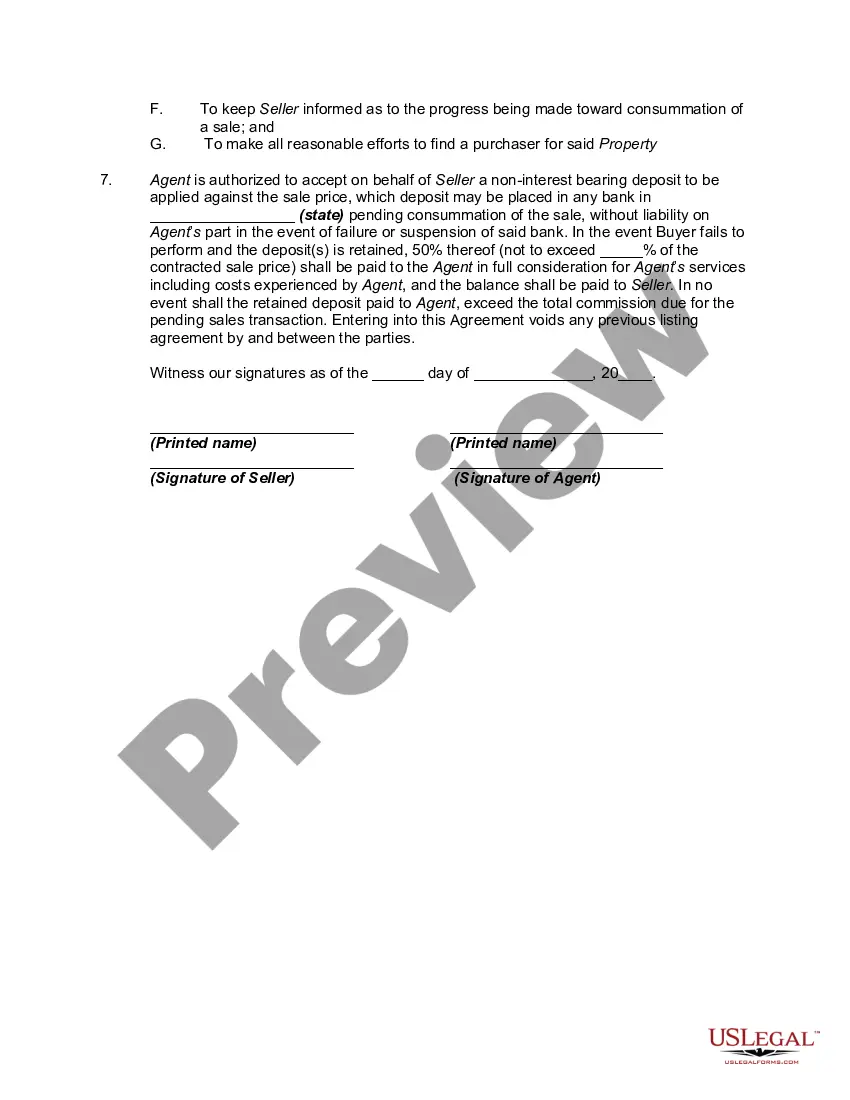

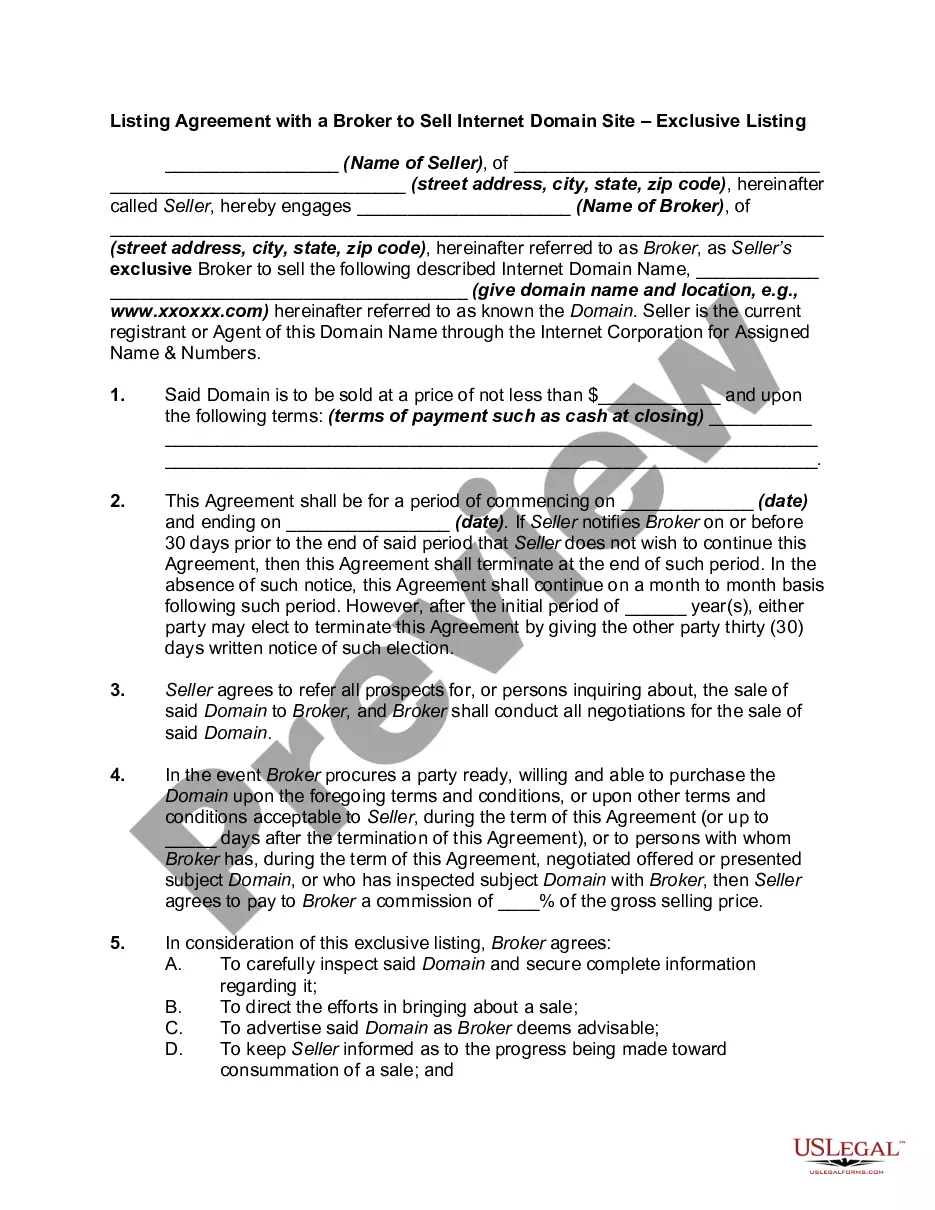
Get your form ready online
Our built-in tools help you complete, sign, share, and store your documents in one place.
Make edits, fill in missing information, and update formatting in US Legal Forms—just like you would in MS Word.
Download a copy, print it, send it by email, or mail it via USPS—whatever works best for your next step.
Sign and collect signatures with our SignNow integration. Send to multiple recipients, set reminders, and more. Go Premium to unlock E-Sign.
If this form requires notarization, complete it online through a secure video call—no need to meet a notary in person or wait for an appointment.
We protect your documents and personal data by following strict security and privacy standards.

Make edits, fill in missing information, and update formatting in US Legal Forms—just like you would in MS Word.

Download a copy, print it, send it by email, or mail it via USPS—whatever works best for your next step.

Sign and collect signatures with our SignNow integration. Send to multiple recipients, set reminders, and more. Go Premium to unlock E-Sign.

If this form requires notarization, complete it online through a secure video call—no need to meet a notary in person or wait for an appointment.

We protect your documents and personal data by following strict security and privacy standards.
Looking for another form?








Form popularity
FAQ
At this point, your REALTOR will take the final steps necessary for selling your home, including the preparation and staging of your home before it's officially listed in the Multiple Listing Service (MLS) databases. This includes: Making an extra key for the lockbox. Arrange for the installation of the yard sign.
A listing agreement is between the parties that own a property and the agents or brokers who will find a buyer for it. Typically, a real estate listing agreement involves the property owner and a real estate agent. The property owner, or seller, grants the agent the right to market and sell the property.
How to write a contract agreement in 7 steps. Determine the type of contract required. Confirm the necessary parties. Choose someone to draft the contract. Write the contract with the proper formatting. Review the written contract with a lawyer. Send the contract agreement for review or revisions.
Listing agreements vary. Each type has its own advantages and disadvantages: Exclusive Right-to-Sell Listing: The most common type. It grants the broker the exclusive right to sell your home, regardless of who finds the buyer.
A listing agreement is between the parties that own a property and the agents or brokers who will find a buyer for it. Typically, a real estate listing agreement involves the property owner and a real estate agent. The property owner, or seller, grants the agent the right to market and sell the property.
A buyer agency agreement provides some transparency for the buyer and the agent, so both parties know exactly what to expect from the other over the duration of their partnership.
Most of the time, you can sell your house privately or with a new agent 90 days after the listing contract expires. This will prevent you from paying the agent's commission. Usually, real estate listing agreements have a safety clause that protects the agent from the seller.
It states the buyer cannot work with another agent for a specific time as they search for homes. The agent has the right to compensation if they find the buyer a house within the dates in the contract.
A buyer representation agreement is a contract between a real estate agent and the buyer to form an exclusive representation relationship. The contracted agent acts as the buyer's agent in the real estate transaction. The buyer gets the agent's expertise in locating a property and real estate negotiations.
