Signing A Listing Agreement In Georgia
Description

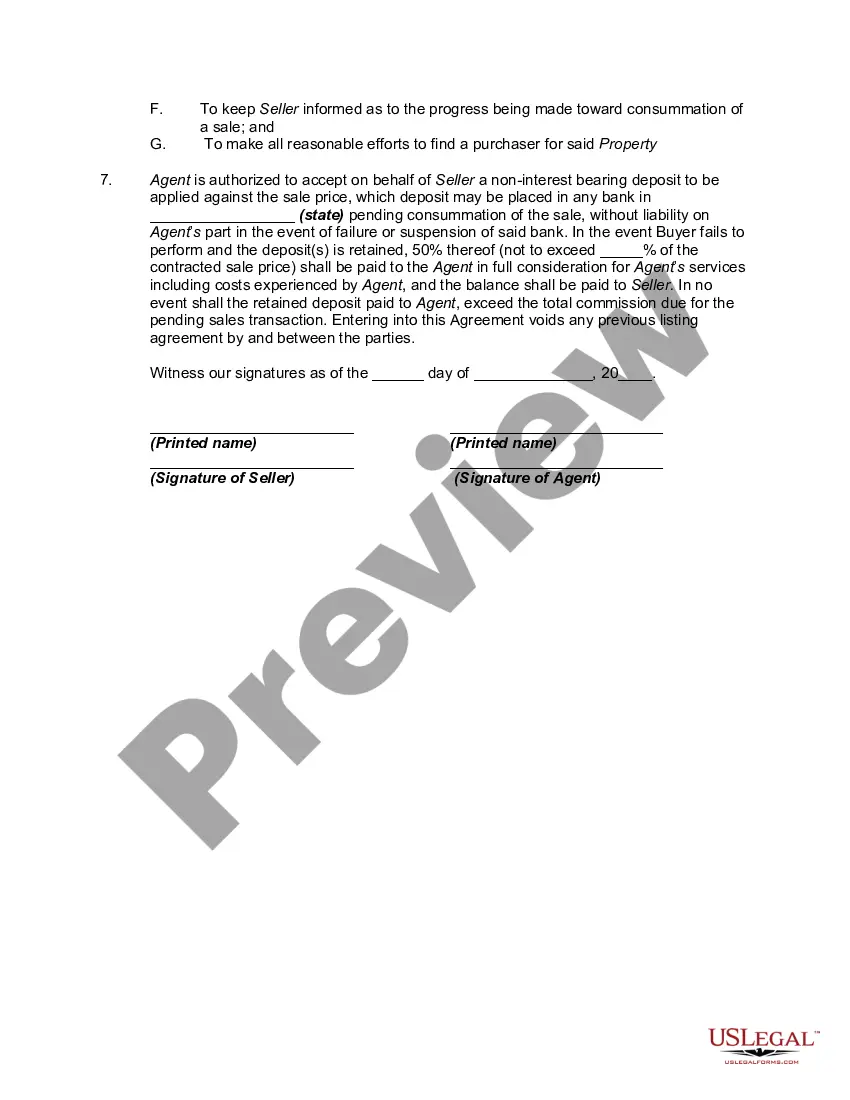

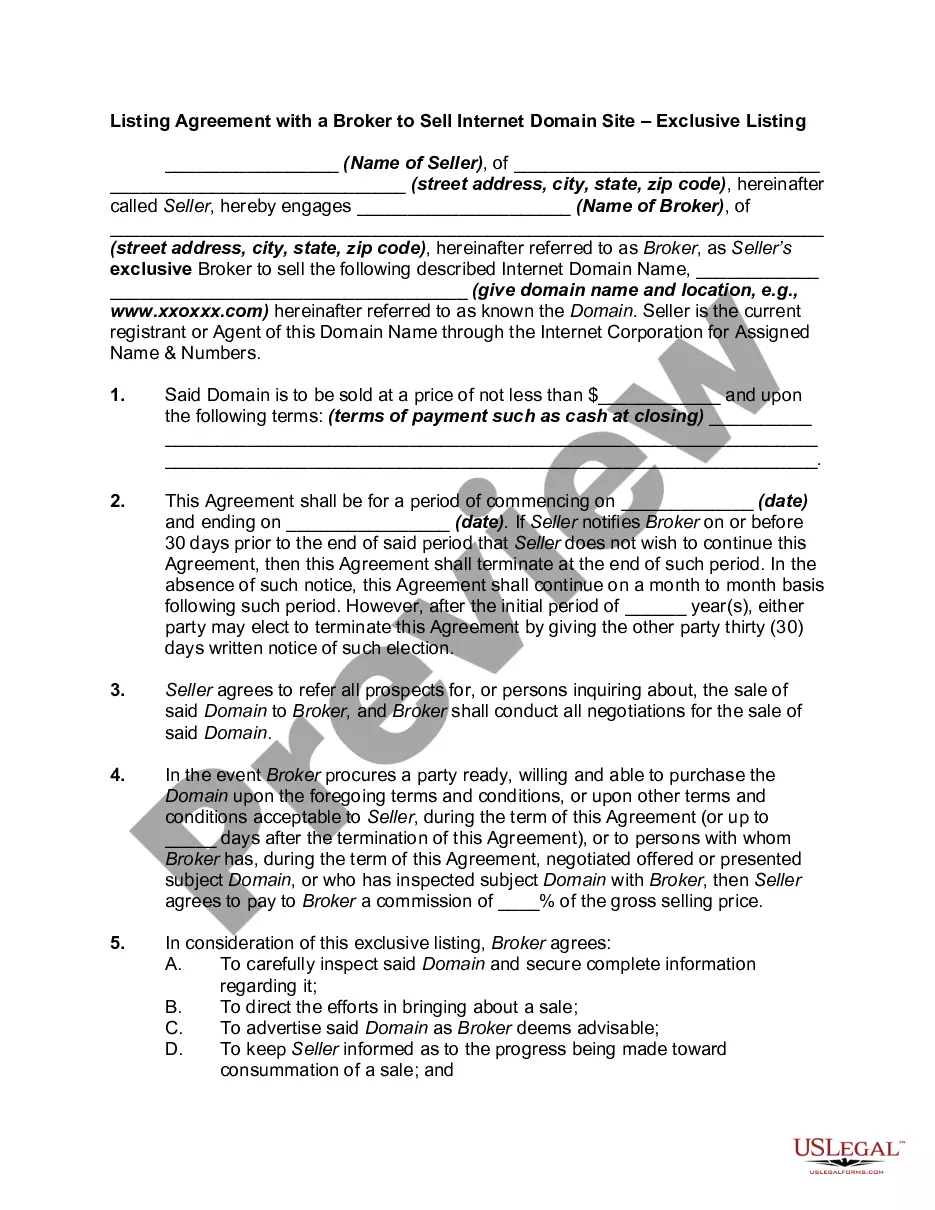
Get your form ready online
Our built-in tools help you complete, sign, share, and store your documents in one place.
Make edits, fill in missing information, and update formatting in US Legal Forms—just like you would in MS Word.
Download a copy, print it, send it by email, or mail it via USPS—whatever works best for your next step.
Sign and collect signatures with our SignNow integration. Send to multiple recipients, set reminders, and more. Go Premium to unlock E-Sign.
If this form requires notarization, complete it online through a secure video call—no need to meet a notary in person or wait for an appointment.
We protect your documents and personal data by following strict security and privacy standards.

Make edits, fill in missing information, and update formatting in US Legal Forms—just like you would in MS Word.

Download a copy, print it, send it by email, or mail it via USPS—whatever works best for your next step.

Sign and collect signatures with our SignNow integration. Send to multiple recipients, set reminders, and more. Go Premium to unlock E-Sign.

If this form requires notarization, complete it online through a secure video call—no need to meet a notary in person or wait for an appointment.

We protect your documents and personal data by following strict security and privacy standards.
Looking for another form?








Form popularity
FAQ
A listing agreement is an example of an agency relationship that is created by express agency. In this context, express agency arises when the principal explicitly states their intention to create an agency relationship with the agent through a written or verbal agreement.
4 Essential Elements of a Georgia Real Estate Contract Mutual agreement or assent between the parties to enter the contract. A valid offer by the buyer and acceptance of the offer by the seller. Adequate consideration which is the exchange of items of value. A legal purpose and legally competent parties.
For a contract to be binding it needs to satisfy four principles, offer, acceptance, consideration, and the intention to create legal relations. Generally, the law believes that an agreement is made when one party makes an offer and the other party accepts it.
-You must be have a high school diploma or GED. -You must obtain and present a criminal background report. -You must be at least 18 years old in order to become licensed in Georgia. (If you are 17, you may sit for the exam, however, the license cannot be activated until you are 18.)
Notice of the Binding Agreement Date may be delivered by either party (or the Broker working with or representing such party) to the other party. If notice of the accurate Binding Agreement Date is delivered, the party receiving the notice shall sign the same and immediately return it to the other party.
Under Georgia law, for a contract to be valid, there must be an offer, acceptance, consideration, and mutual assent. See O.C.G.A. § 13-3-1.
A real estate contract, at its core, is a legally binding agreement between a buyer and a seller regarding the transfer of property ownership. In Georgia, these contracts must be in writing and signed by both parties to be enforceable.
Signatories sign legal documents, international agreements, and contracts. These types of documents have multiple parties that need to sign the agreement. Signers are anyone who needs to provide a signature to legal documents.
Listing agents represent home sellers — as the name suggests, they create and promote the listing for a home that's for sale. Somewhat confusingly, selling agents represent the purchaser's interests and are therefore also known as buyer's agents.
