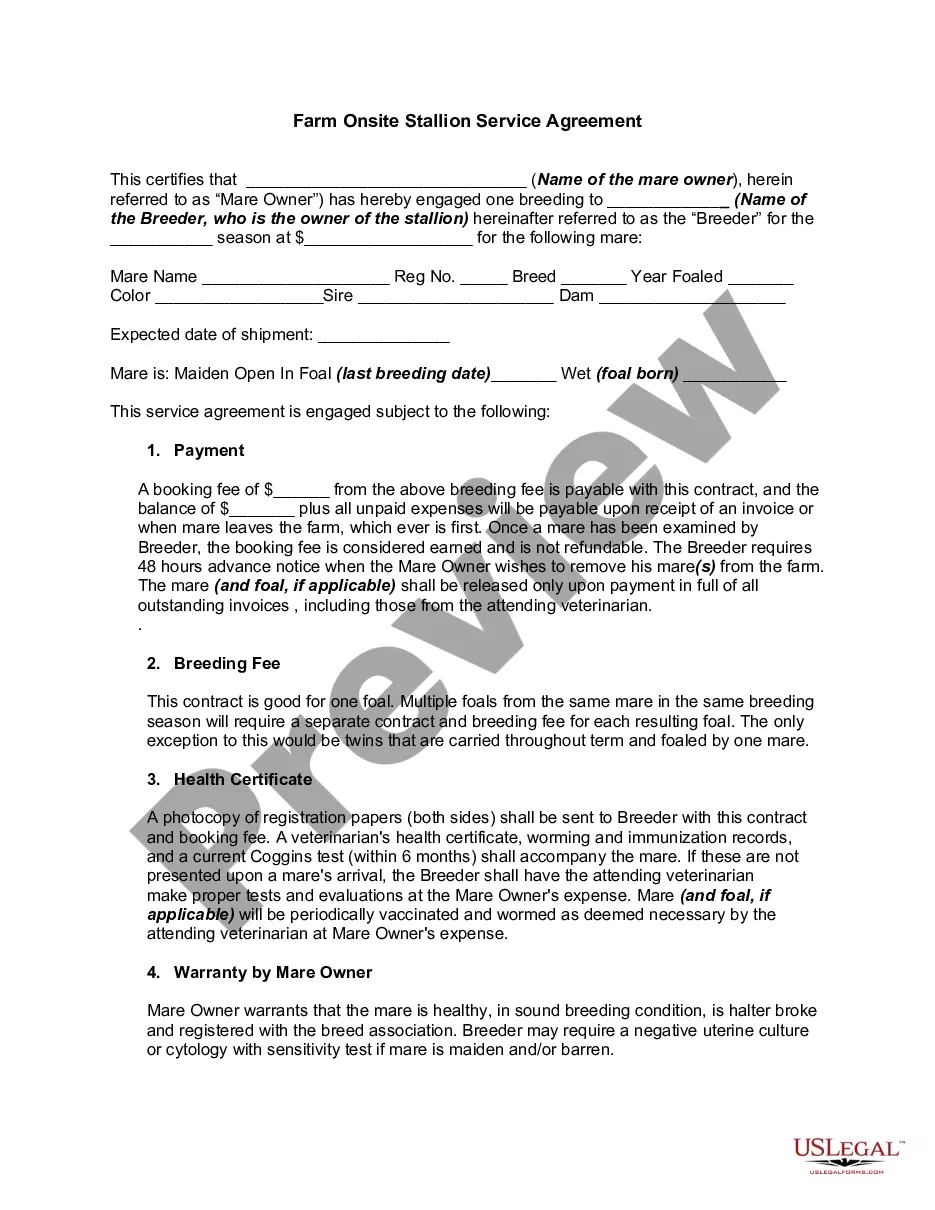
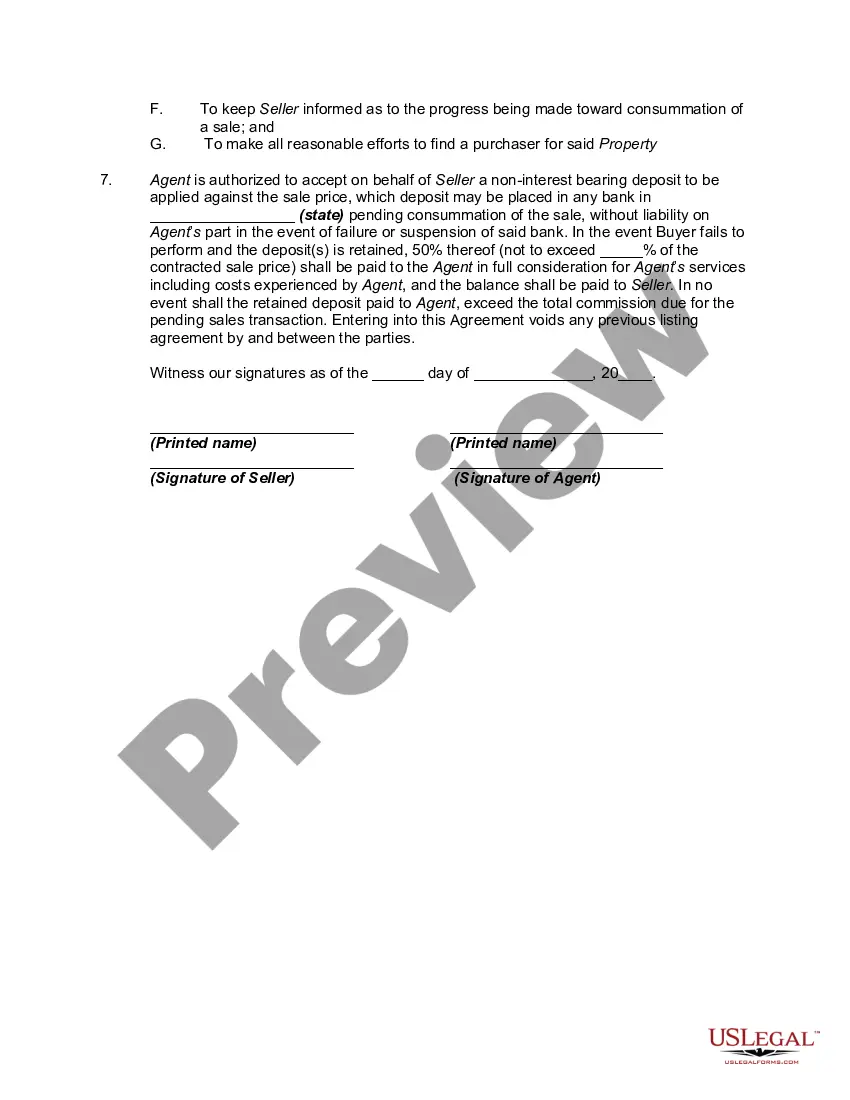
Broker Fee For Commercial Property In Fairfax
Description


Get your form ready online
Our built-in tools help you complete, sign, share, and store your documents in one place.
Make edits, fill in missing information, and update formatting in US Legal Forms—just like you would in MS Word.
Download a copy, print it, send it by email, or mail it via USPS—whatever works best for your next step.
Sign and collect signatures with our SignNow integration. Send to multiple recipients, set reminders, and more. Go Premium to unlock E-Sign.
If this form requires notarization, complete it online through a secure video call—no need to meet a notary in person or wait for an appointment.
We protect your documents and personal data by following strict security and privacy standards.

Make edits, fill in missing information, and update formatting in US Legal Forms—just like you would in MS Word.

Download a copy, print it, send it by email, or mail it via USPS—whatever works best for your next step.

Sign and collect signatures with our SignNow integration. Send to multiple recipients, set reminders, and more. Go Premium to unlock E-Sign.

If this form requires notarization, complete it online through a secure video call—no need to meet a notary in person or wait for an appointment.

We protect your documents and personal data by following strict security and privacy standards.
Looking for another form?









Form popularity
FAQ
How Much Are Realtor Commission Rates in Virginia? The average Virginia real estate commission is 5.53%. However, this rate may vary based on the agreement, property type, and market conditions. Real estate agent commission rates also vary depending on your location.
A commercial real estate broker is the expert intermediary between landlords and tenants. While they're always working to get the best outcomes for their clients, the roles and priorities of brokers change depending on which side of the transaction they're on.
Maximising Your Commercial Property's Value: Tips for Landlords Optimise Your Lease Agreements. Focus on Property Maintenance and Upgrades. Enhance Appeal. Create Flexible Spaces. Leverage Technology. Improve Energy Efficiency and Sustainability. Invest in Marketing and Networking. Offer Competitive Amenities.
Business closures typically require documentation, which can include lease terminations, bills of sale, a copy of the business license from the new county of business, cancellation, and/or final tax returns (which must be marked as final).
Dissolving a Virginia LLC is a process that includes resolving any outstanding business debts or legal obligations, filing articles of dissolution with the the Virginia State Corporation Commission (SCC), and notifying the appropriate taxing and licensing authorities that you have closed your company.
If you need assistance, please call DTA during normal business hours at 703-222-8234, option 4.
You may view your tax information online or request a copy of the bill by emailing DTARCD@fairfaxcounty or calling 703-222-8234, TTY 711.
Section 4-7.2-1. (B) Gross receipts do not include revenues that are attributable to taxable business activity conducted in another jurisdiction within the Commonwealth of Virginia and the volume attributable to that business activity is deductible pursuant to Code of Virginia Sections 58.1-3708 and 58.1-3709.
Close your business Decide to close. Sole proprietors can decide on their own, but any type of partnership requires the co-owners to agree. File dissolution documents. Cancel registrations, permits, licenses, and business names. Comply with employment and labor laws. Resolve financial obligations. Maintain records.