Broker Property Real Foreclosure In Dallas
Description

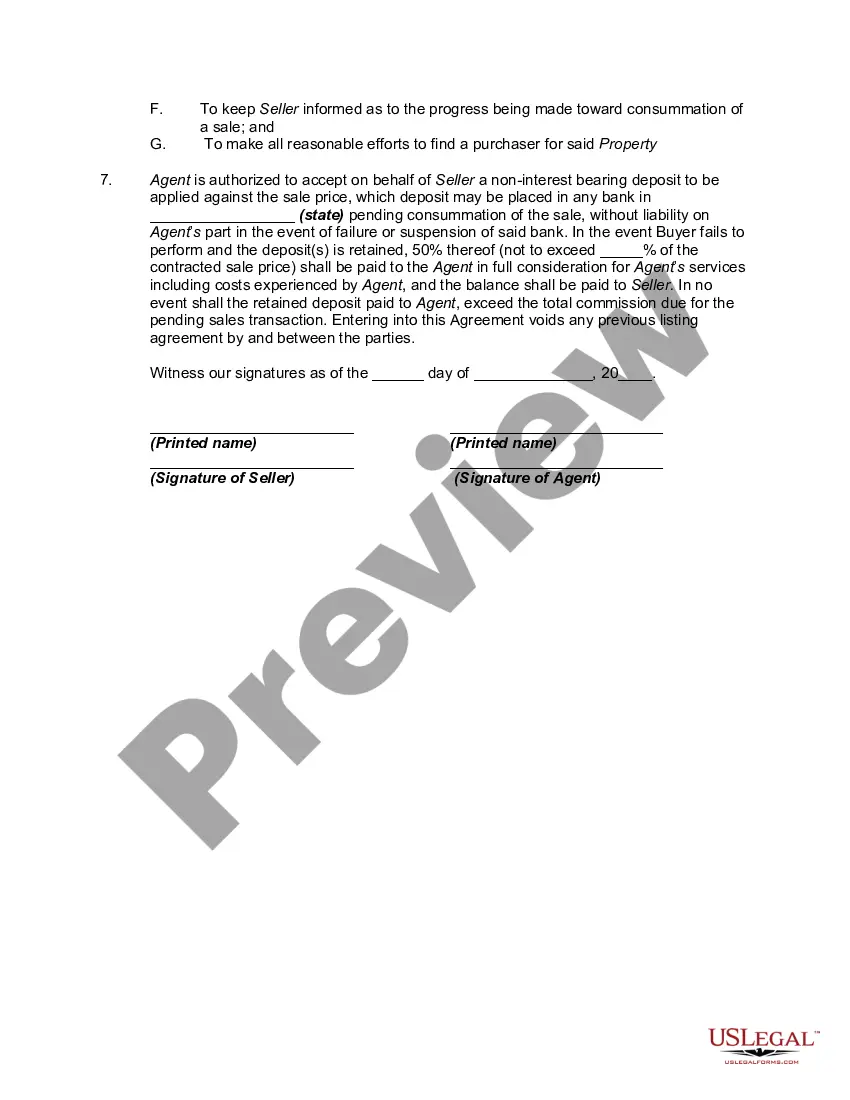

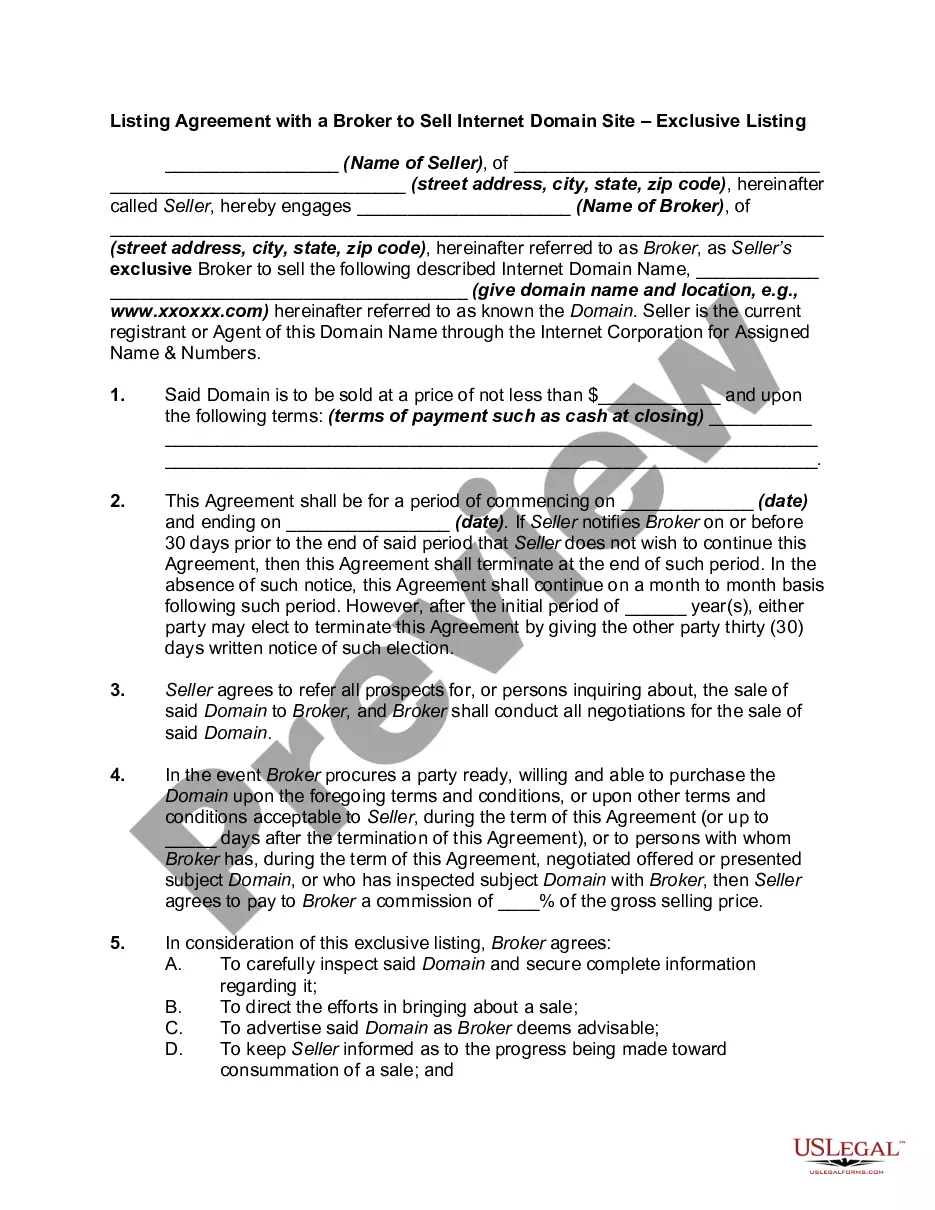
Get your form ready online
Our built-in tools help you complete, sign, share, and store your documents in one place.
Make edits, fill in missing information, and update formatting in US Legal Forms—just like you would in MS Word.
Download a copy, print it, send it by email, or mail it via USPS—whatever works best for your next step.
Sign and collect signatures with our SignNow integration. Send to multiple recipients, set reminders, and more. Go Premium to unlock E-Sign.
If this form requires notarization, complete it online through a secure video call—no need to meet a notary in person or wait for an appointment.
We protect your documents and personal data by following strict security and privacy standards.

Make edits, fill in missing information, and update formatting in US Legal Forms—just like you would in MS Word.

Download a copy, print it, send it by email, or mail it via USPS—whatever works best for your next step.

Sign and collect signatures with our SignNow integration. Send to multiple recipients, set reminders, and more. Go Premium to unlock E-Sign.

If this form requires notarization, complete it online through a secure video call—no need to meet a notary in person or wait for an appointment.

We protect your documents and personal data by following strict security and privacy standards.
Looking for another form?









Form popularity
FAQ
Most foreclosures are non-judicial types. This means court approval isn't required and speeds up the process. Many Texas foreclosures take 160 days. This is much faster than the national average of 922 days in foreclosure for the second quarter of 2021.
Three things must happen in Texas to foreclose on a property: A lender must give notice to the owner, a lender must file a real property record stating that it is foreclosing and a notice must be posted publicly in a particular place at a county courthouse.
Non-judicial is the most common foreclosure process in Texas, and it can be frightening for any homeowner struggling to make payments on time. Not only are you at risk of losing your home, but the non-judicial process can happen much more quickly since there's no need to involve the court.
In general, mortgage companies start foreclosure processes about 3-6 months after the first missed mortgage payment. Late fees are charged after 10-15 days, however, most mortgage companies recognize that homeowners may be facing short-term financial hardships.
When can a lender start foreclosure? Most loans from a bank must be 120 days delinquent before any foreclosure activity starts. However, smaller lenders can sometimes start foreclosure even if you are only one day late. The lender is only required to send you two notices before a foreclosure sale.
In Texas, there are three ways in which a lienholder can foreclose on a property: Judicial Foreclosure. A judicial foreclosure requires the lienholder to file a civil lawsuit against the homeowner. Non-Judicial Foreclosure. Expedited Foreclosure. Court Rules.
Non-judicial is the most common foreclosure process in Texas, and it can be frightening for any homeowner struggling to make payments on time. Not only are you at risk of losing your home, but the non-judicial process can happen much more quickly since there's no need to involve the court.
In Texas, the types of foreclosure include expedited, judicial, and non-judicial. Most foreclosures are non-judicial types. This means court approval isn't required and speeds up the process. Many Texas foreclosures take 160 days.
Judicial Foreclosure. All states allow this type of foreclosure, and some require it. The lender files suit with the judicial system, and the borrower will receive a note in the mail demanding payment. The borrower then has only 30 days to respond with a payment in order to avoid foreclosure.
Texas is a combination of a judicial and non-judicial foreclosure state; in short it allows for non-judicial foreclosures but ONLY if the lender or lienholder has a deed of trust as stated previously. Without a deed of trust the lender must obtain a court order to proceed with the foreclosure sale.
