Broker Property Real Foreclosure In Contra Costa
Description

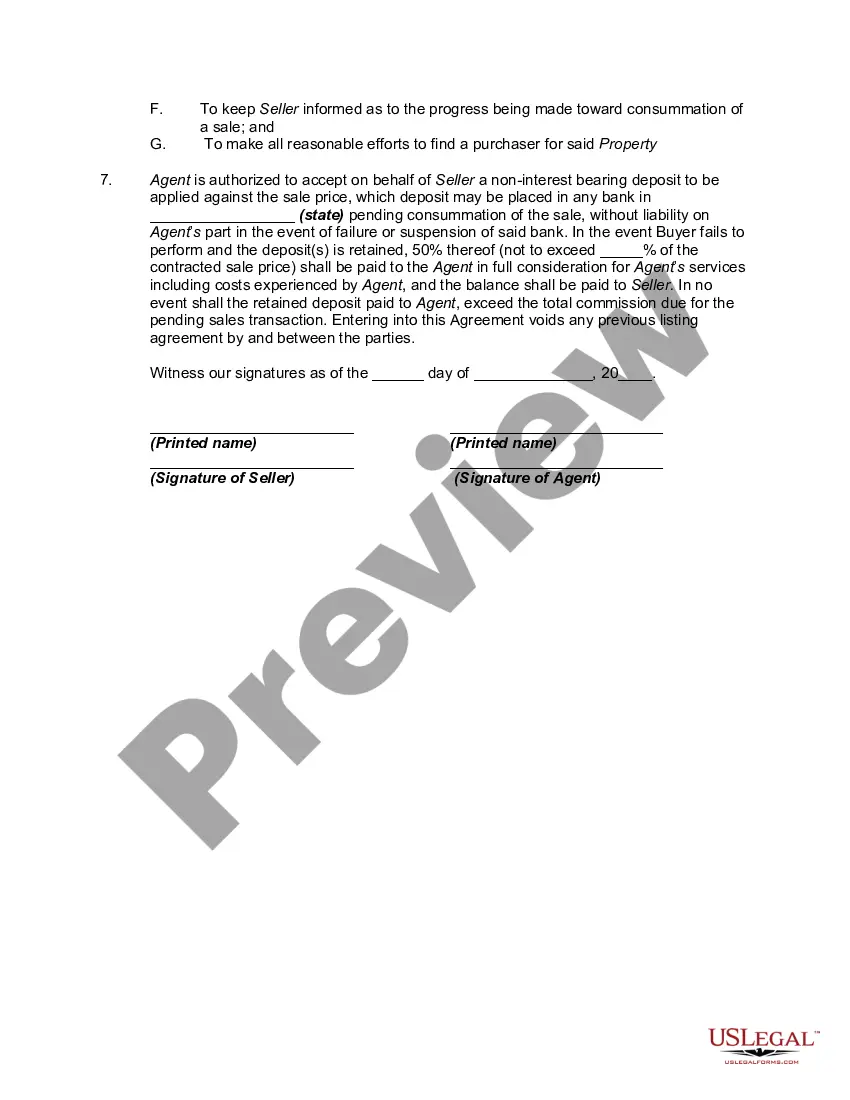

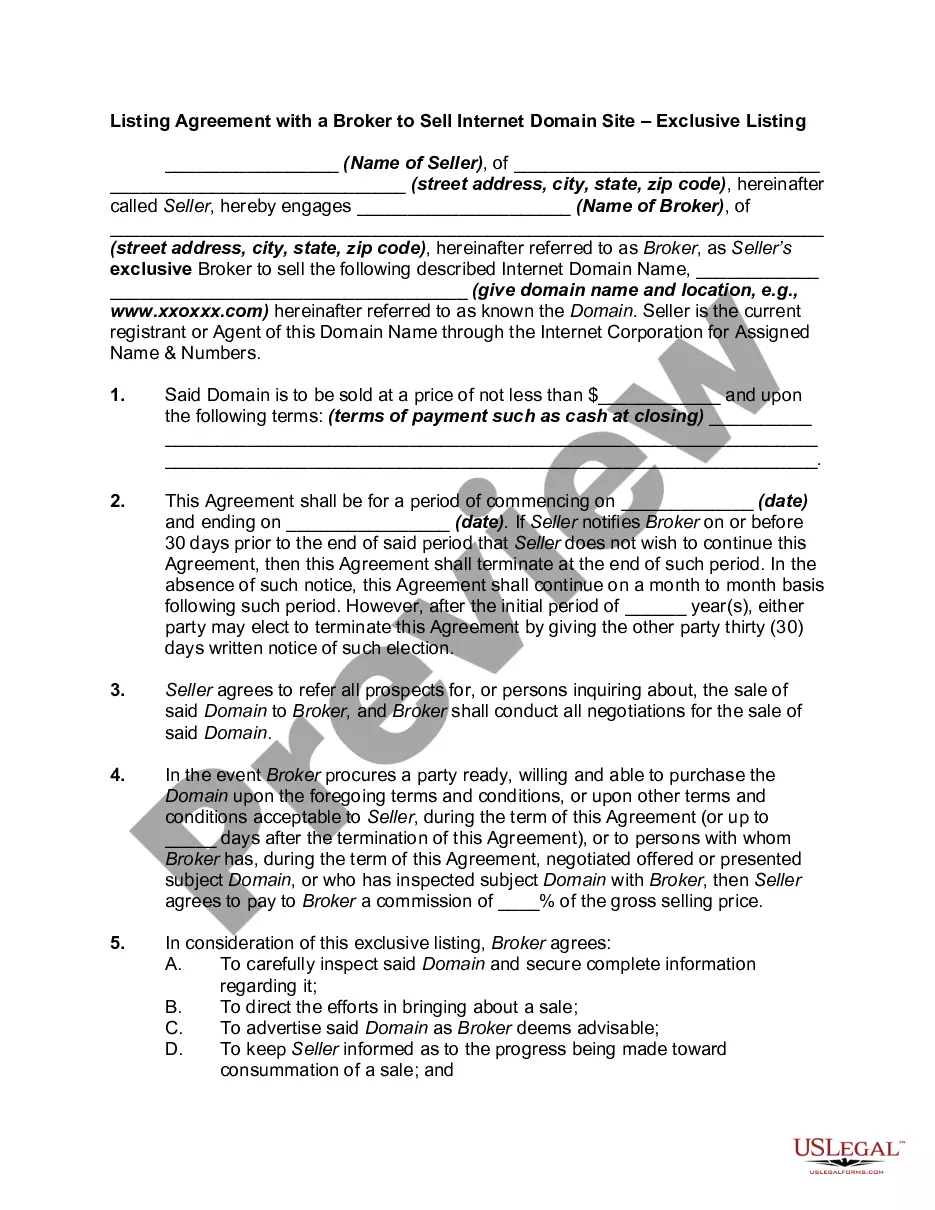
Get your form ready online
Our built-in tools help you complete, sign, share, and store your documents in one place.
Make edits, fill in missing information, and update formatting in US Legal Forms—just like you would in MS Word.
Download a copy, print it, send it by email, or mail it via USPS—whatever works best for your next step.
Sign and collect signatures with our SignNow integration. Send to multiple recipients, set reminders, and more. Go Premium to unlock E-Sign.
If this form requires notarization, complete it online through a secure video call—no need to meet a notary in person or wait for an appointment.
We protect your documents and personal data by following strict security and privacy standards.

Make edits, fill in missing information, and update formatting in US Legal Forms—just like you would in MS Word.

Download a copy, print it, send it by email, or mail it via USPS—whatever works best for your next step.

Sign and collect signatures with our SignNow integration. Send to multiple recipients, set reminders, and more. Go Premium to unlock E-Sign.

If this form requires notarization, complete it online through a secure video call—no need to meet a notary in person or wait for an appointment.

We protect your documents and personal data by following strict security and privacy standards.
Looking for another form?


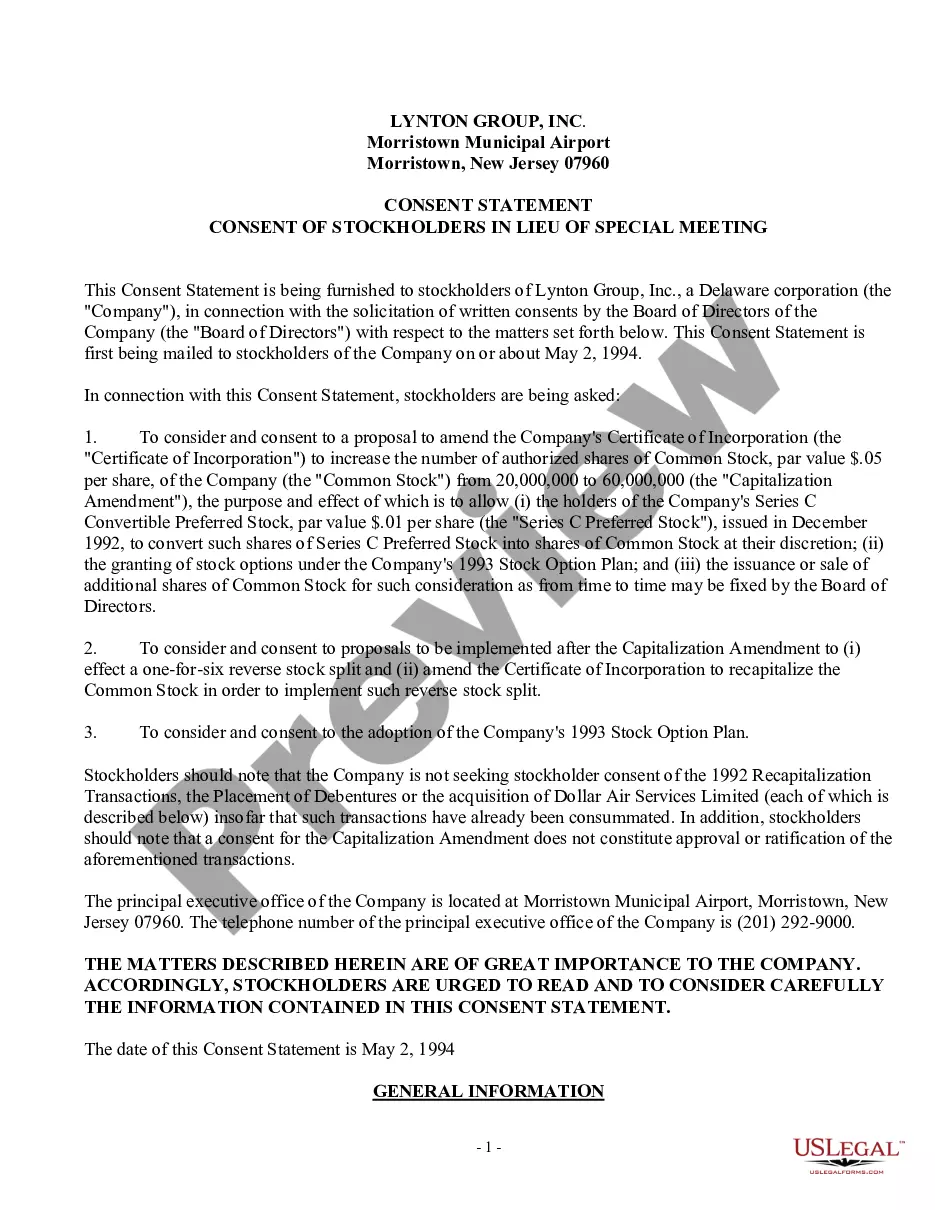

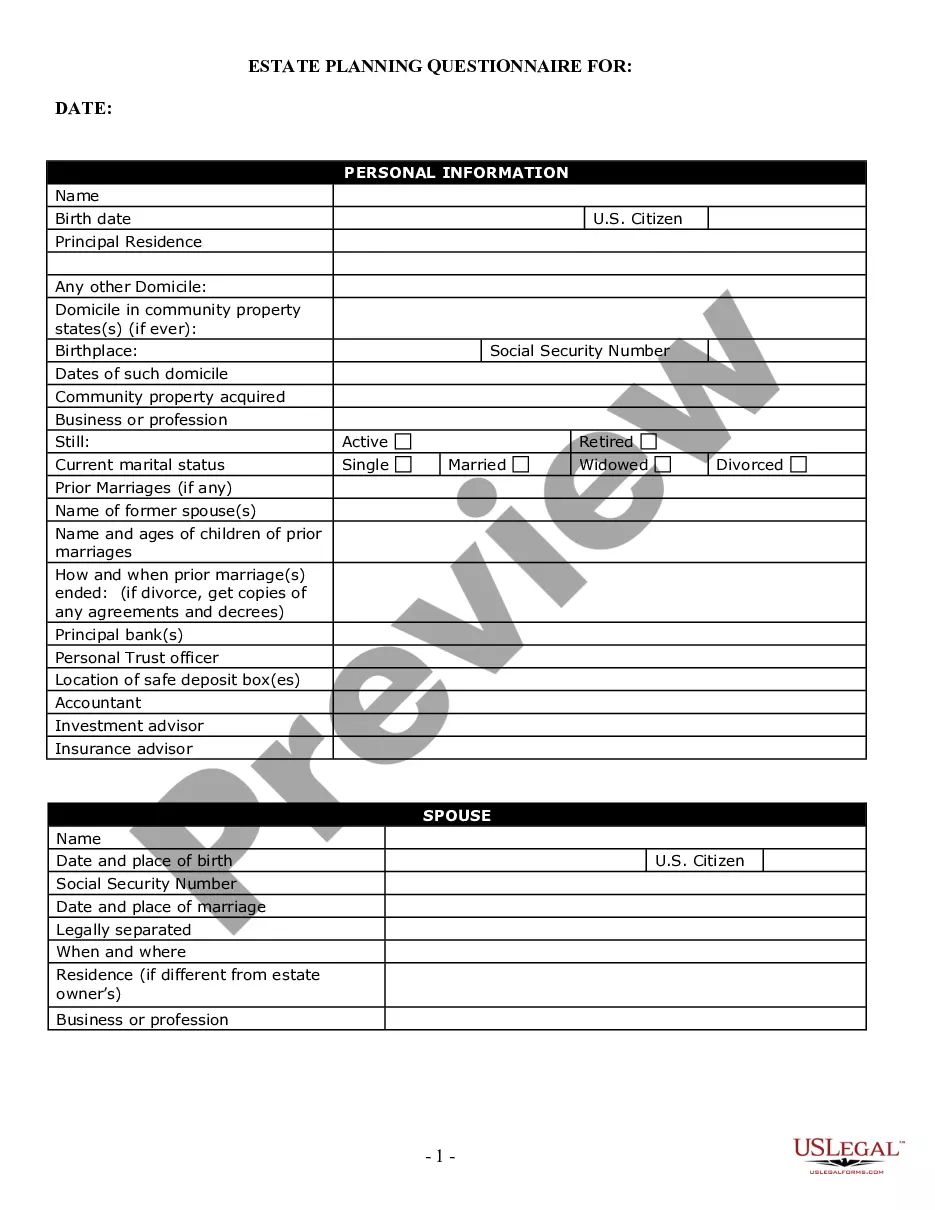





Form popularity
FAQ
Yes! You remain the owner of the home despite the foreclosure process. Therefore, you have every legal right to list, market, and sell your home at any time. The only caveat is that with each notice received regarding the foreclosure, it gets harder to complete the sale.
In California, the foreclosure process typically begins when a borrower misses a mortgage payment, triggering a Notice of Default (NOD) after about 90 days. Following the NOD, the borrower has approximately 90 days to remedy the default before a Notice of Trustee's Sale is issued.
The law also introduces new foreclosure sale protections to help homeowners avoid losing equity. If a listing agreement with a licensed real estate broker is submitted at least five business days before the foreclosure sale, the sale must be postponed for at least 45 days.
During a judicial foreclosure, the court sets a redemption period, usually lasting up to one year, where the homeowner can redeem their property by settling the debt. However, in non-judicial foreclosures, which make up the majority of cases in California, there is no redemption period after the sale.
In general, mortgage companies start foreclosure processes about 3-6 months after the first missed mortgage payment. Late fees are charged after 10-15 days, however, most mortgage companies recognize that homeowners may be facing short-term financial hardships.
Yes, you can absolutely sell your home even if you are behind on your payments. In fact, the earlier you start the listing and sale process during the “pre-foreclosure period,” the better outcome you can expect.
It takes several months for a lender to foreclose on a California property. If everything goes ing to schedule, the process typically takes approximately 120 days — about four months — but the process can take as long as 200 or more days to conclude.
The law also introduces new foreclosure sale protections to help homeowners avoid losing equity. If a listing agreement with a licensed real estate broker is submitted at least five business days before the foreclosure sale, the sale must be postponed for at least 45 days.
“Responsible bidder,” as used in this part, means a bidder who has demonstrated the attribute of trustworthiness, as well as quality, fitness, capacity, and experience to satisfactorily perform the public works contract.
