Listing Agreement Real Estate Withholding In Clark
Description


Get your form ready online
Our built-in tools help you complete, sign, share, and store your documents in one place.
Make edits, fill in missing information, and update formatting in US Legal Forms—just like you would in MS Word.
Download a copy, print it, send it by email, or mail it via USPS—whatever works best for your next step.
Sign and collect signatures with our SignNow integration. Send to multiple recipients, set reminders, and more. Go Premium to unlock E-Sign.
If this form requires notarization, complete it online through a secure video call—no need to meet a notary in person or wait for an appointment.
We protect your documents and personal data by following strict security and privacy standards.

Make edits, fill in missing information, and update formatting in US Legal Forms—just like you would in MS Word.

Download a copy, print it, send it by email, or mail it via USPS—whatever works best for your next step.

Sign and collect signatures with our SignNow integration. Send to multiple recipients, set reminders, and more. Go Premium to unlock E-Sign.

If this form requires notarization, complete it online through a secure video call—no need to meet a notary in person or wait for an appointment.

We protect your documents and personal data by following strict security and privacy standards.
Looking for another form?







Form popularity
FAQ
Property tax in California is calculated at a standard rate of 1% of the assessed property value, plus additional charges for voter-approved bonds, fees, and special charges.
What is the Homeowners' Exemption? The California Constitution provides for the exemption of $7,000 (maximum) in assessed value from the property tax assessment of any property owned and occupied as the owner's principal place of residence.
A seller/transferor that qualifies for a full, partial, or no withholding exemption must file Form 593. Any remitter (individual, business entity, trust, estate, or REEP) who withheld on the sale/transfer of California real property must file Form 593 to report the amount withheld.
California Nonresident Withholding Non-wage payments to nonresidents of California are subject to 7% state income tax withholding if the total payments during a calendar year exceed $1,500. California nonresidents include: Individuals who are not residents of California.
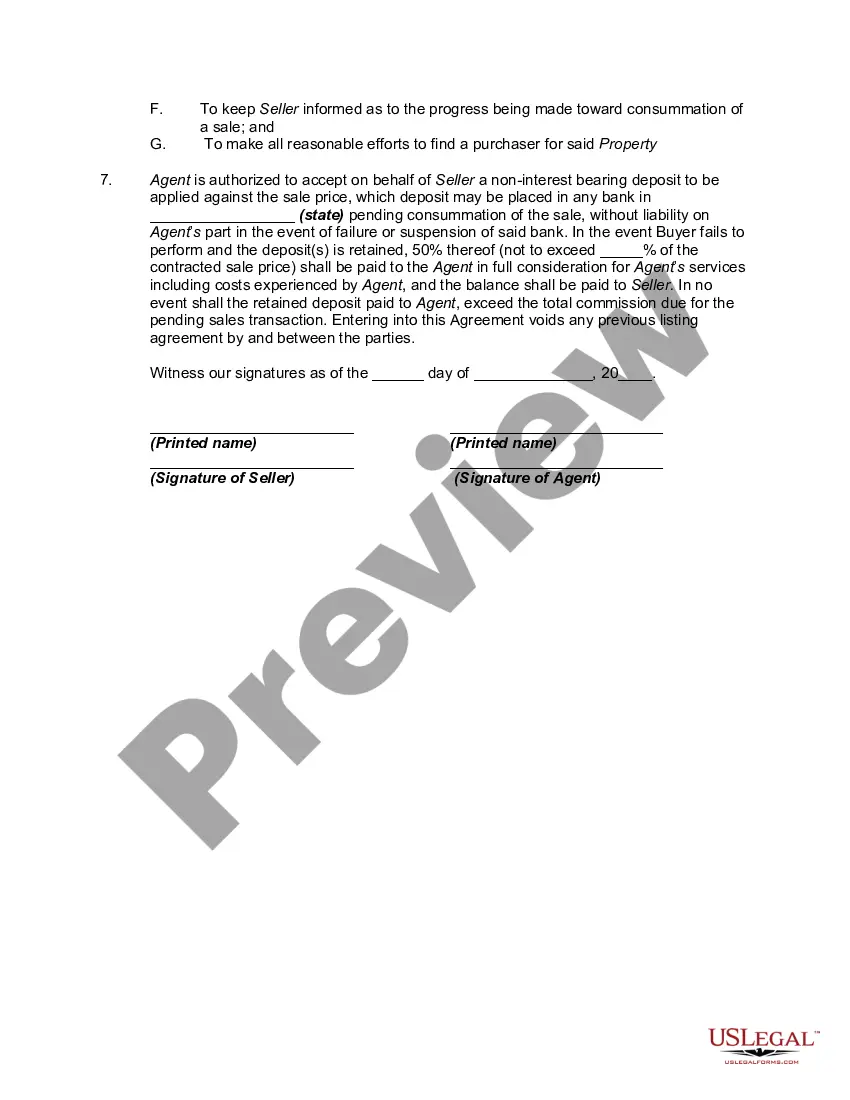
Also, under the statute of frauds, a listing agreement must be in writing and must be signed by the seller. (If the property has more than one owner, only one of them has to sign the listing.) The broker usually also signs the listing agreement, although her signature is not strictly required.
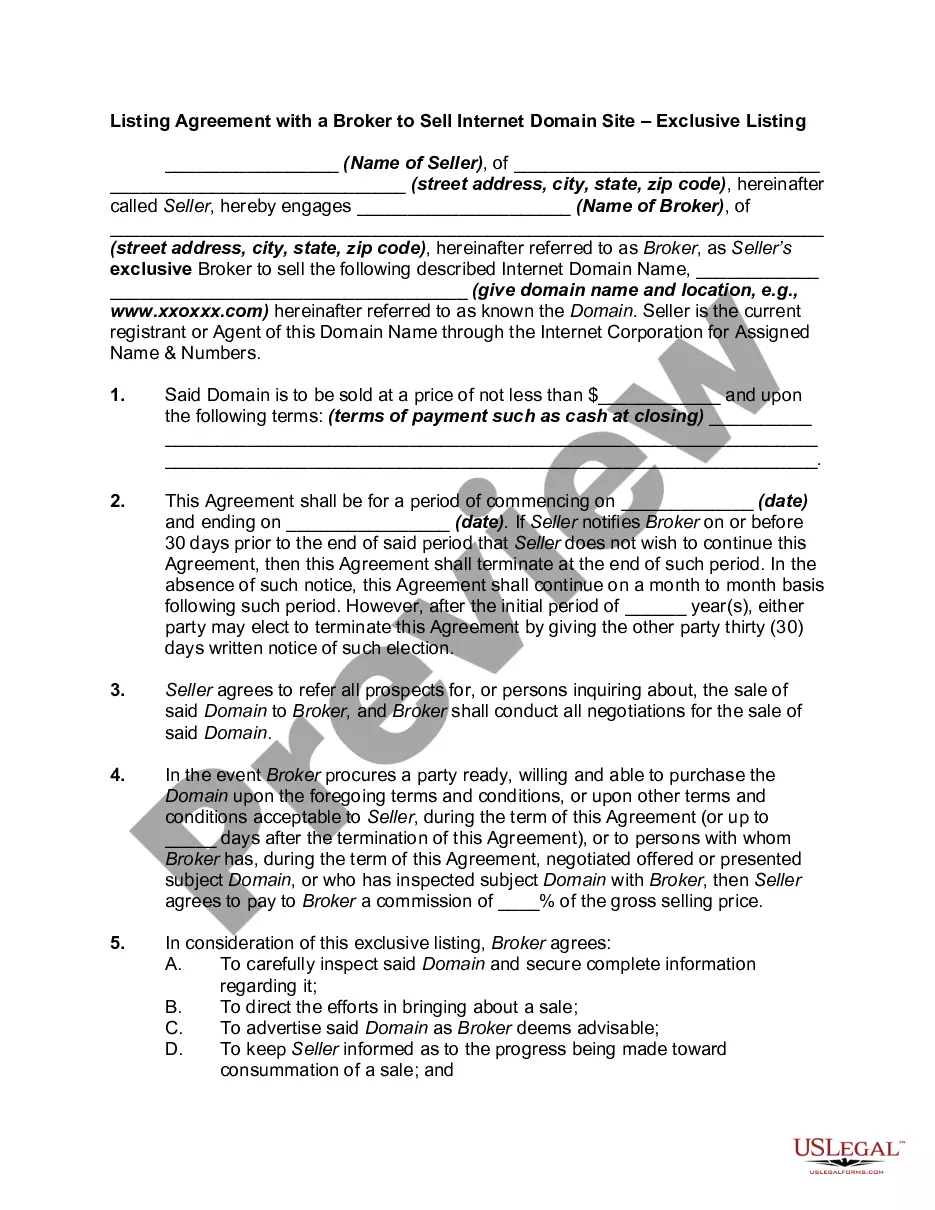
4 Common Types of Listing Agreements in Real Estate Open listing agreement. An open listing is a non-exclusive contract. Exclusive right to sell listing agreement. An exclusive right to sell listing is the most widely-used listing agreement. Exclusive agency listing agreement. Net listing agreement.
Signatories sign legal documents, international agreements, and contracts. These types of documents have multiple parties that need to sign the agreement. Signers are anyone who needs to provide a signature to legal documents.
Listing agents represent home sellers — as the name suggests, they create and promote the listing for a home that's for sale. Somewhat confusingly, selling agents represent the purchaser's interests and are therefore also known as buyer's agents.
