Sample Letter To Irs Requesting Penalty Waiver In Montgomery
Description

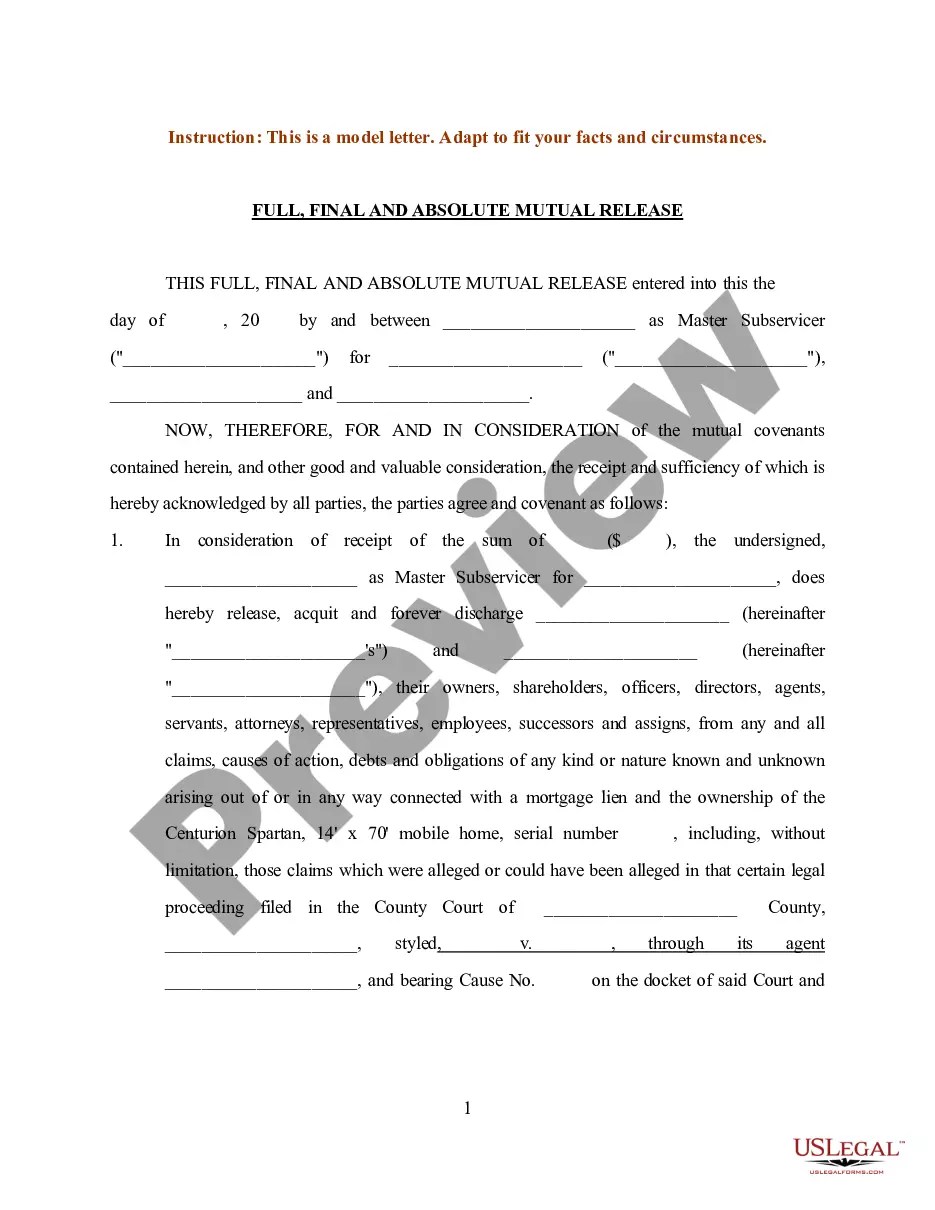
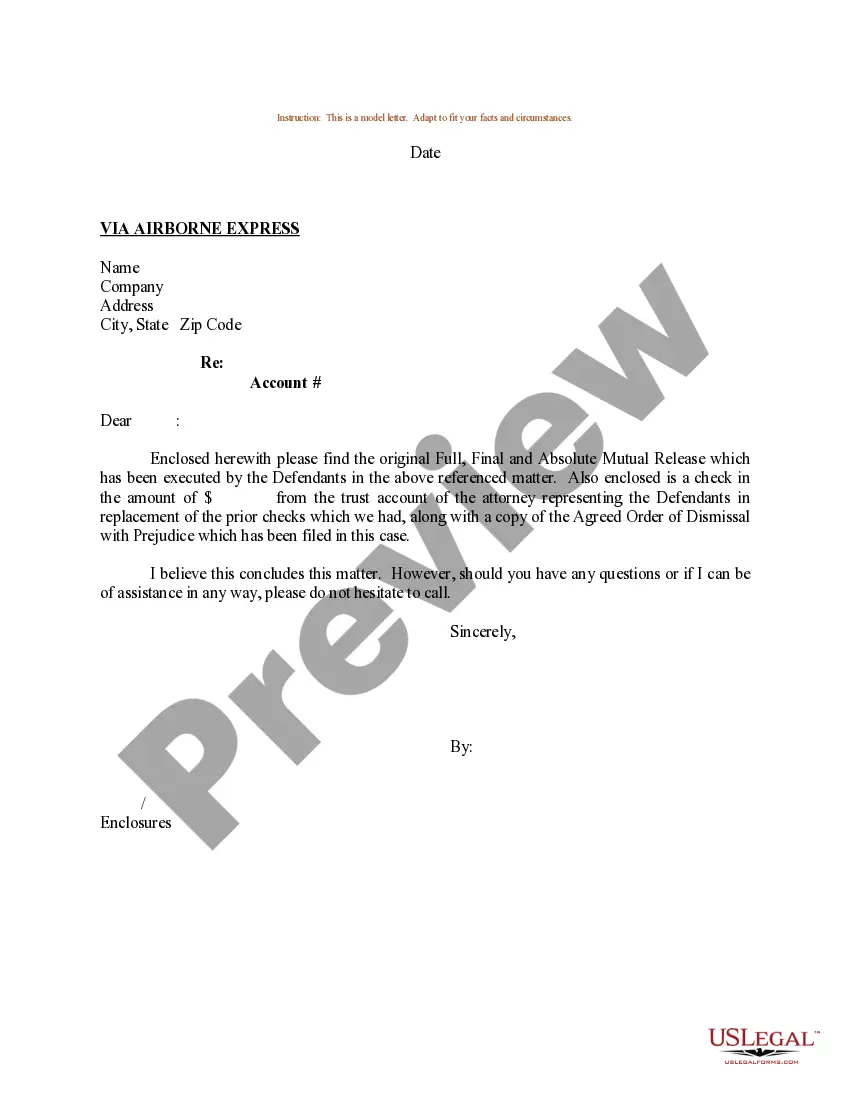
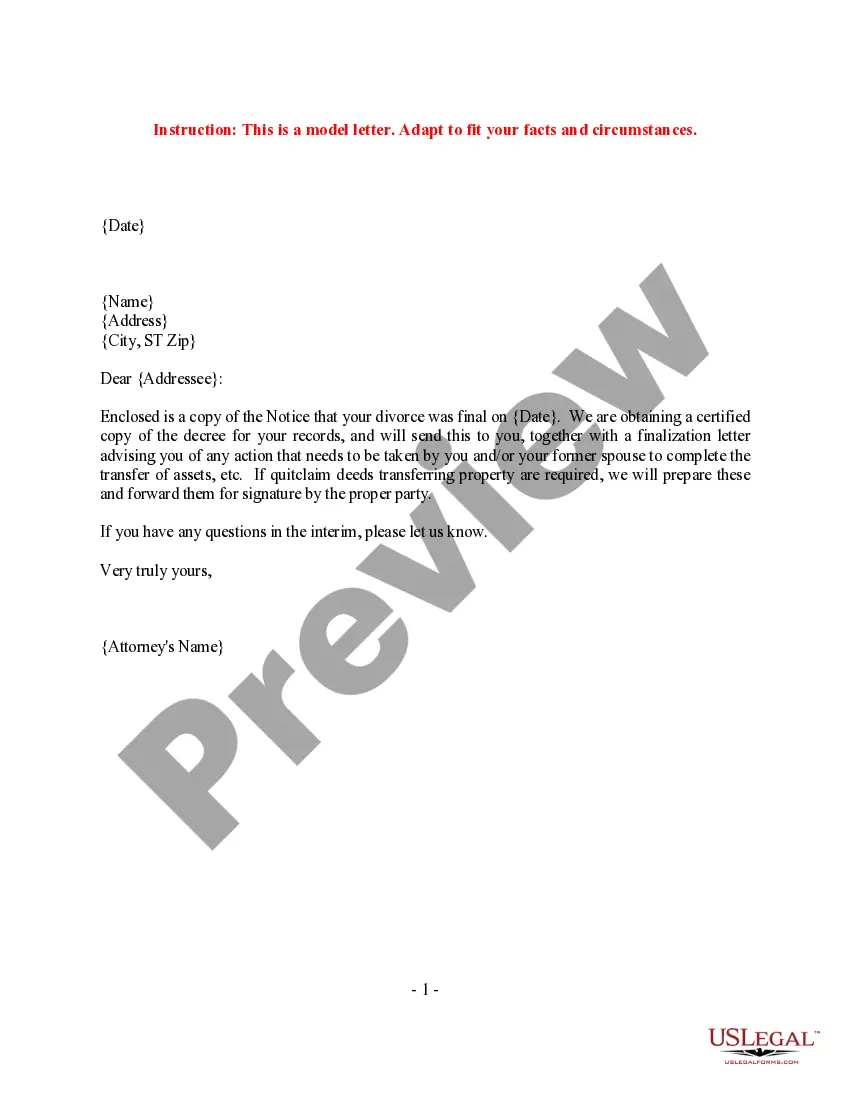
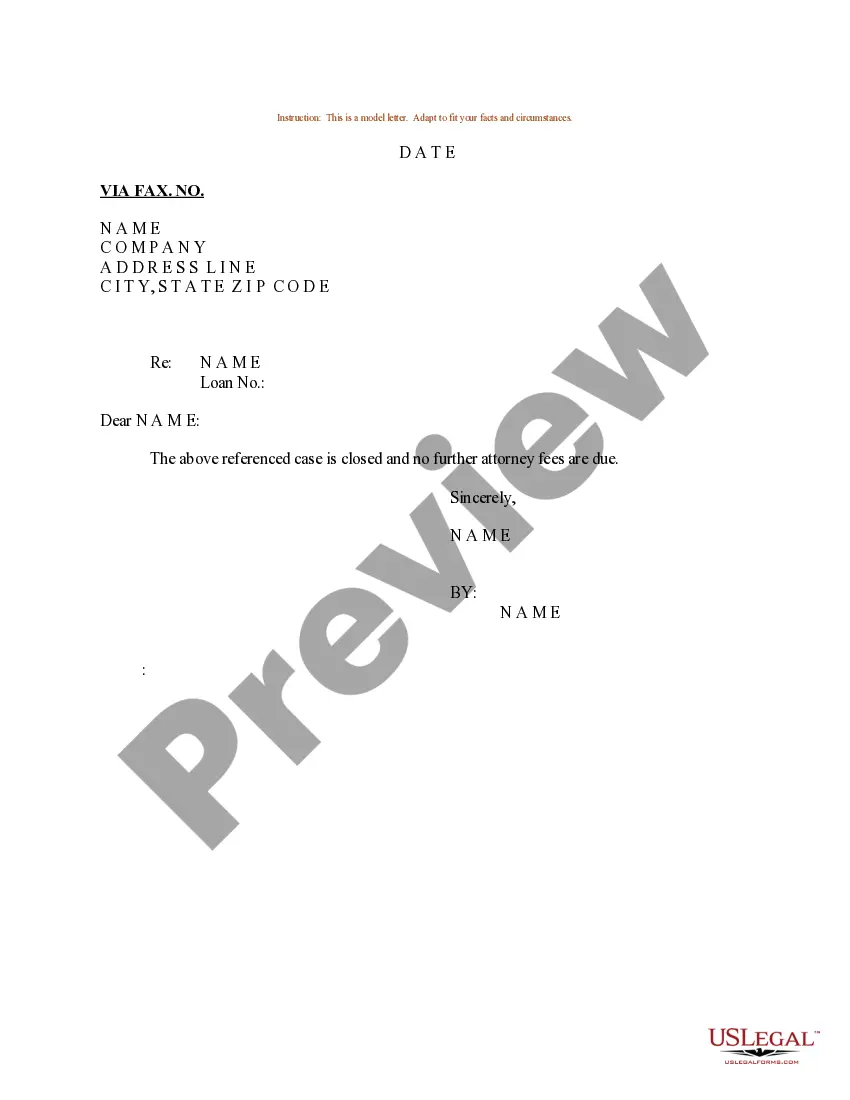
Get your form ready online
Our built-in tools help you complete, sign, share, and store your documents in one place.
Make edits, fill in missing information, and update formatting in US Legal Forms—just like you would in MS Word.
Download a copy, print it, send it by email, or mail it via USPS—whatever works best for your next step.
Sign and collect signatures with our SignNow integration. Send to multiple recipients, set reminders, and more. Go Premium to unlock E-Sign.
If this form requires notarization, complete it online through a secure video call—no need to meet a notary in person or wait for an appointment.
We protect your documents and personal data by following strict security and privacy standards.

Make edits, fill in missing information, and update formatting in US Legal Forms—just like you would in MS Word.

Download a copy, print it, send it by email, or mail it via USPS—whatever works best for your next step.

Sign and collect signatures with our SignNow integration. Send to multiple recipients, set reminders, and more. Go Premium to unlock E-Sign.

If this form requires notarization, complete it online through a secure video call—no need to meet a notary in person or wait for an appointment.

We protect your documents and personal data by following strict security and privacy standards.
Looking for another form?









Form popularity
FAQ
Make a copy of the notice you received from the IRS and include it with your letter. In the first paragraph of your letter, explain why you are writing the IRS. Mention the date of their notice. For example, you can write, “I am writing to request an abatement of $4,512.33 as assessed in the notice sent 7/3/2017.”
In the body of the letter, explain the reason for your request for penalty waiver. Be factual and provide specific details about your circumstances. If you are claiming reasonable cause, provide supporting evidence to back up your claim.
How to request interest abatement. To request we reduce or waive interest due to an unreasonable error or IRS delay, you or your representative must submit: Form 843, Claim for Refund and Request for Abatement PDF or. A signed letter requesting that we reduce or adjust the overcharged interest.
Good cause exists where the circumstances causing the delay are clearly beyond the control of the employer or where the delay is due to a mistake or inadvertence under circumstances not reasonably foreseeable by the employer. In other words, the delay is not attributable to the employer's fault.
IRS Penalty Abatement Request Letter State the type of penalty you want removed. Include an explanation of the events and specific facts and circumstances of your situation, and explain how these events were outside of your control. Attach documents that will prove your case.
IRS Penalty Abatement Request Letter State the type of penalty you want removed. Include an explanation of the events and specific facts and circumstances of your situation, and explain how these events were outside of your control. Attach documents that will prove your case.
How to request interest abatement. To request we reduce or waive interest due to an unreasonable error or IRS delay, you or your representative must submit: Form 843, Claim for Refund and Request for Abatement PDF or. A signed letter requesting that we reduce or adjust the overcharged interest.
Basically, if it would be unfair to assess the penalty, or if the purpose of the penalty would not be served by assessing it, then the IRS can waive the penalty. Use Form 843 to request an abatement. Penalties can be waived if you state up-front that you are challenging an IRS regulation, for which penalties apply.
Write the Request Letter: Craft a detailed letter to the IRS that includes: The taxpayer's identification information (name, address, Social Security number, or tax ID number). A statement requesting the First Time Abatement. An explanation of each penalty notice received, including the date and the type of penalty.

