Commercial Listing Agreement Form In Clark
Description

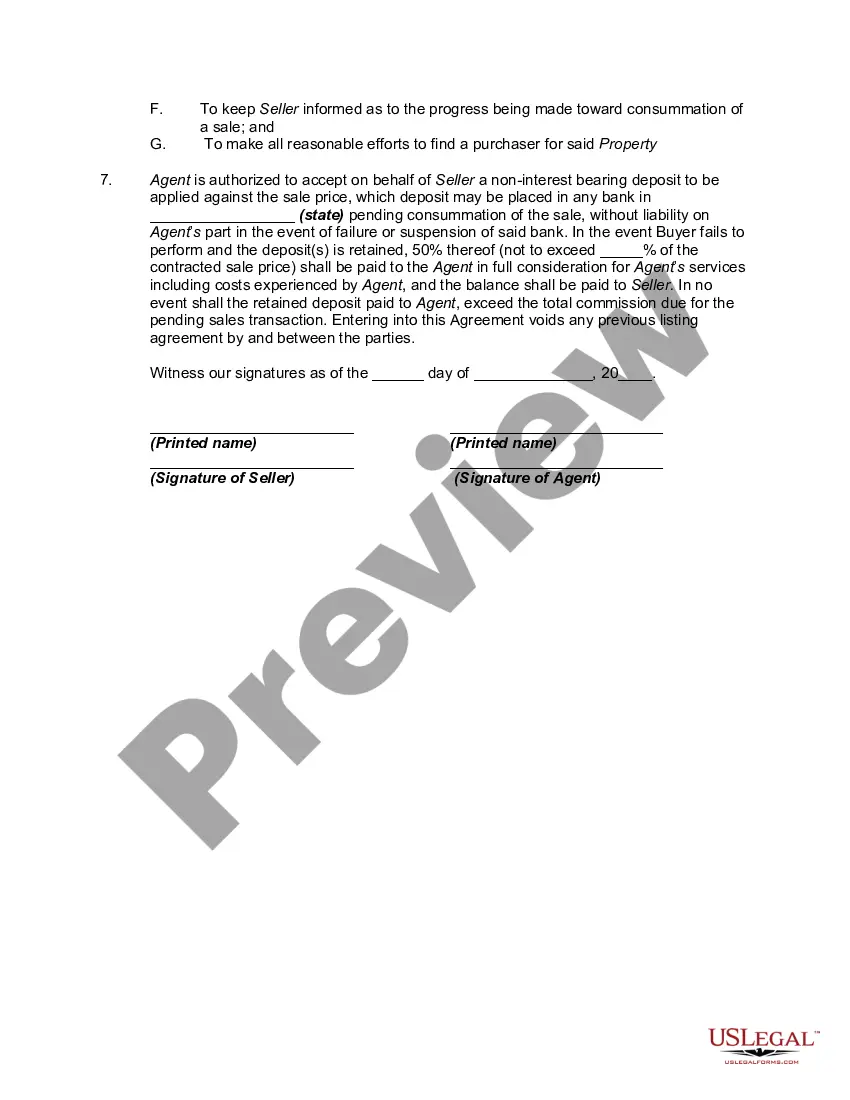

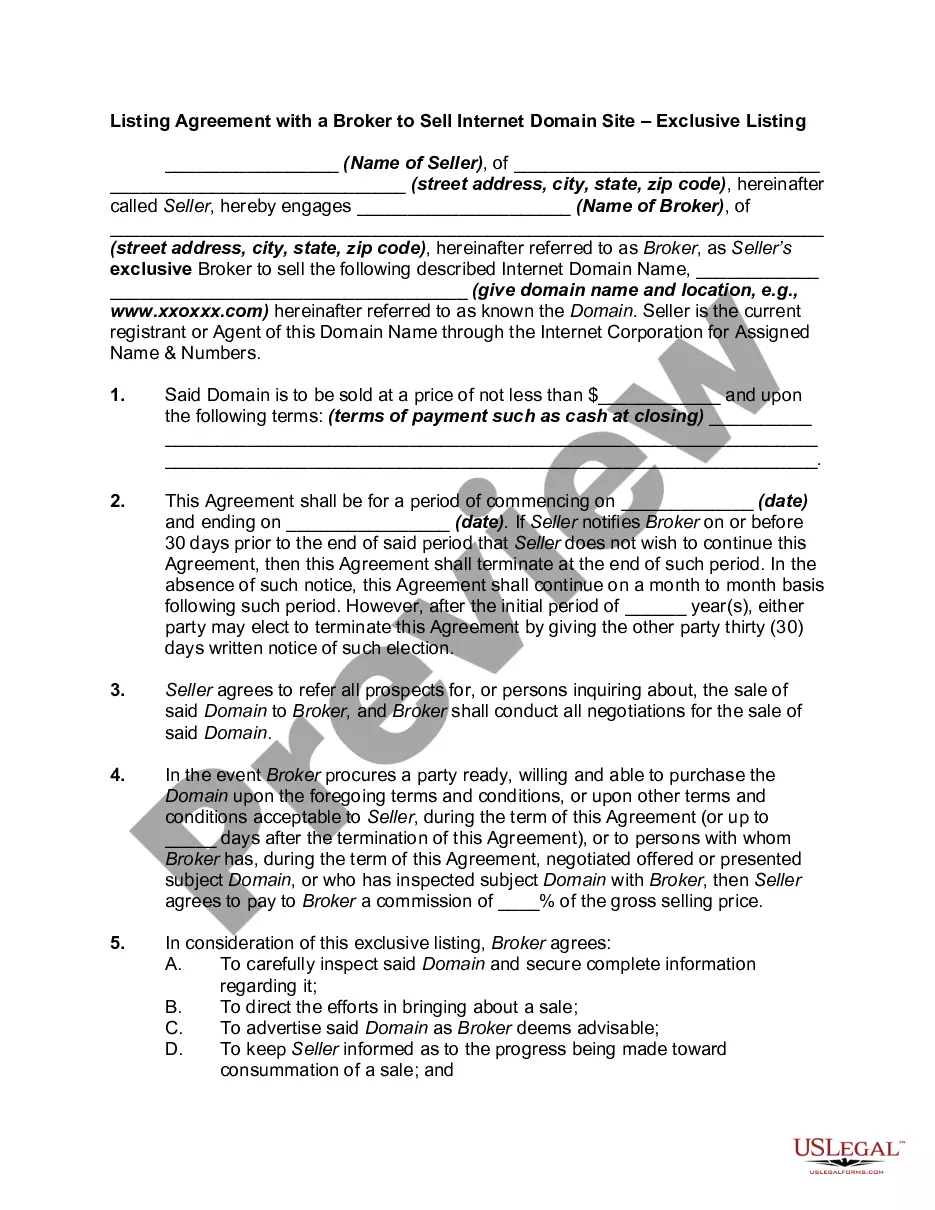
Get your form ready online
Our built-in tools help you complete, sign, share, and store your documents in one place.
Make edits, fill in missing information, and update formatting in US Legal Forms—just like you would in MS Word.
Download a copy, print it, send it by email, or mail it via USPS—whatever works best for your next step.
Sign and collect signatures with our SignNow integration. Send to multiple recipients, set reminders, and more. Go Premium to unlock E-Sign.
If this form requires notarization, complete it online through a secure video call—no need to meet a notary in person or wait for an appointment.
We protect your documents and personal data by following strict security and privacy standards.

Make edits, fill in missing information, and update formatting in US Legal Forms—just like you would in MS Word.

Download a copy, print it, send it by email, or mail it via USPS—whatever works best for your next step.

Sign and collect signatures with our SignNow integration. Send to multiple recipients, set reminders, and more. Go Premium to unlock E-Sign.

If this form requires notarization, complete it online through a secure video call—no need to meet a notary in person or wait for an appointment.

We protect your documents and personal data by following strict security and privacy standards.
Looking for another form?










Form popularity
FAQ
Ing to Nevada Revised Statutes, all property that is not defined or taxed as "real estate" or "real property" is considered to be "personal property." Taxable personal property includes manufactured homes, aircraft, and all property used in conjunction with a business.
Personal property definition The IRS categorizes personal property as tangibles and intangibles. Tangible personal property: It includes items like cars, clothes, furniture, artwork, collectibles, and anything else that isn't attached to real estate.
Assessed value is computed by multiplying the taxable value by 35%, rounded to the nearest $1.00.
The personal property declaration is a list of all personal property owned, rented, leased, or controlled, as of July 1st. The declaration must be filed annually no later than July 31st. If the notice was mailed after July 15th , the owner has 15 days to file the declaration.
Easily the largest county by population in Nevada, Clark County contains almost 75% of the state's residents and includes Las Vegas. The effective property tax in the county is 0.51%, nearly the same as the statewide average and significantly lower than the national average.
“Special Use Permit Application” means a request filed with the Zoning Administrator to consider a specific location not permitted by right in any district(s). “Variance Application” means a request requesting relief from the requirements of the code for reasons to be demonstrated by the applicant.
How to write a letter of intent for business Write the introduction. Describe the transaction and timeframes. List contingencies. Go through due diligence. Include covenants and other binding agreements. State that the agreement is nonbinding. Include a closing date.
To be legally enforceable, an agreement must contain all of the following criteria: An offer and acceptance; Certainty of terms; Consideration; An intention to create legal relations; Capacity of the parties; and, Legality of purpose.
Essential elements typically include offer, acceptance, consideration, and the intention to create legal relations. Missing any of these components can make a contract void or unenforceable, thus understanding these basics is crucial as they form the legal foundation upon which contracts are built.
